Skip to content

Fully AutomaticPaper Plate & Dona Machine

Single Die Fully Automatic Paper Plate & Dona Machine

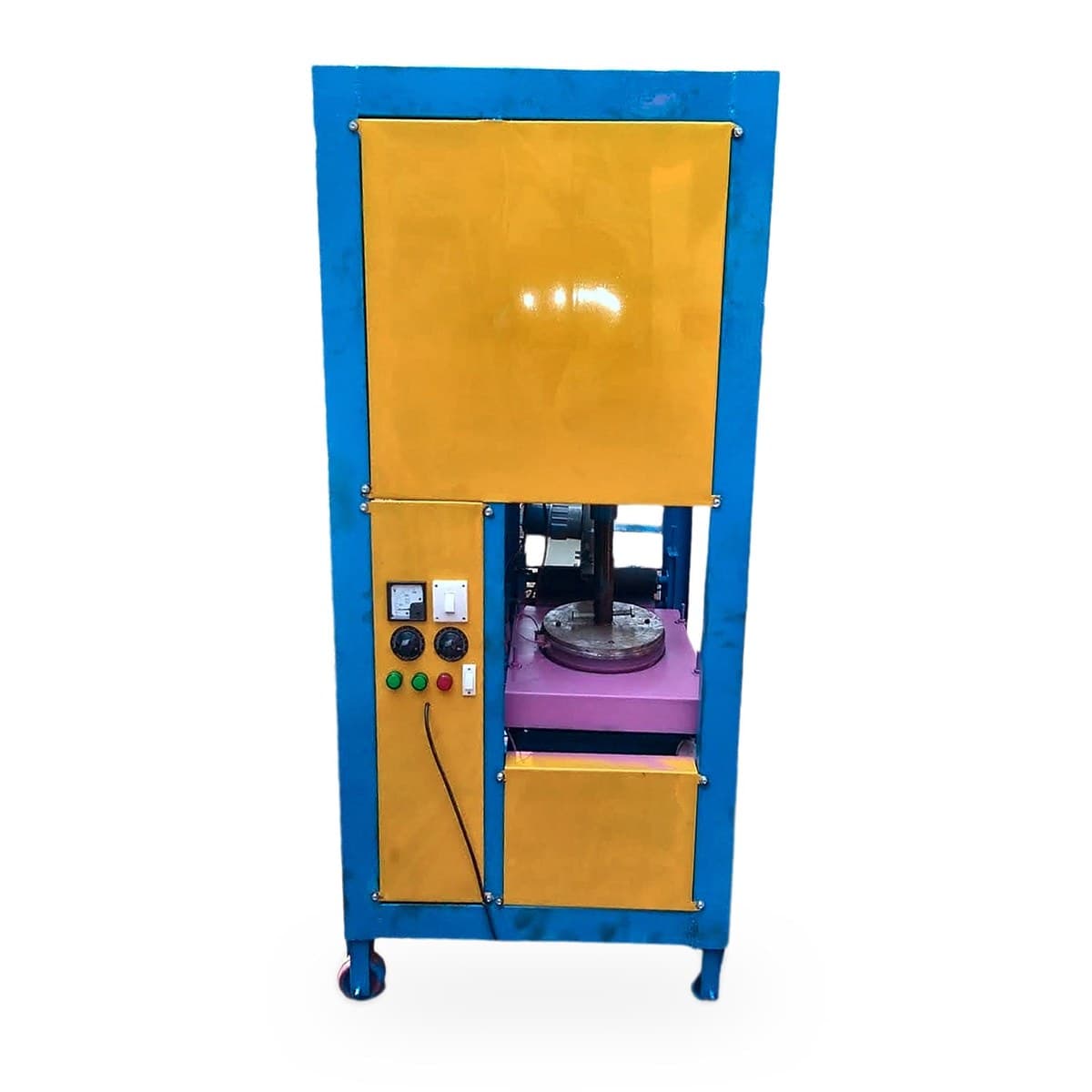
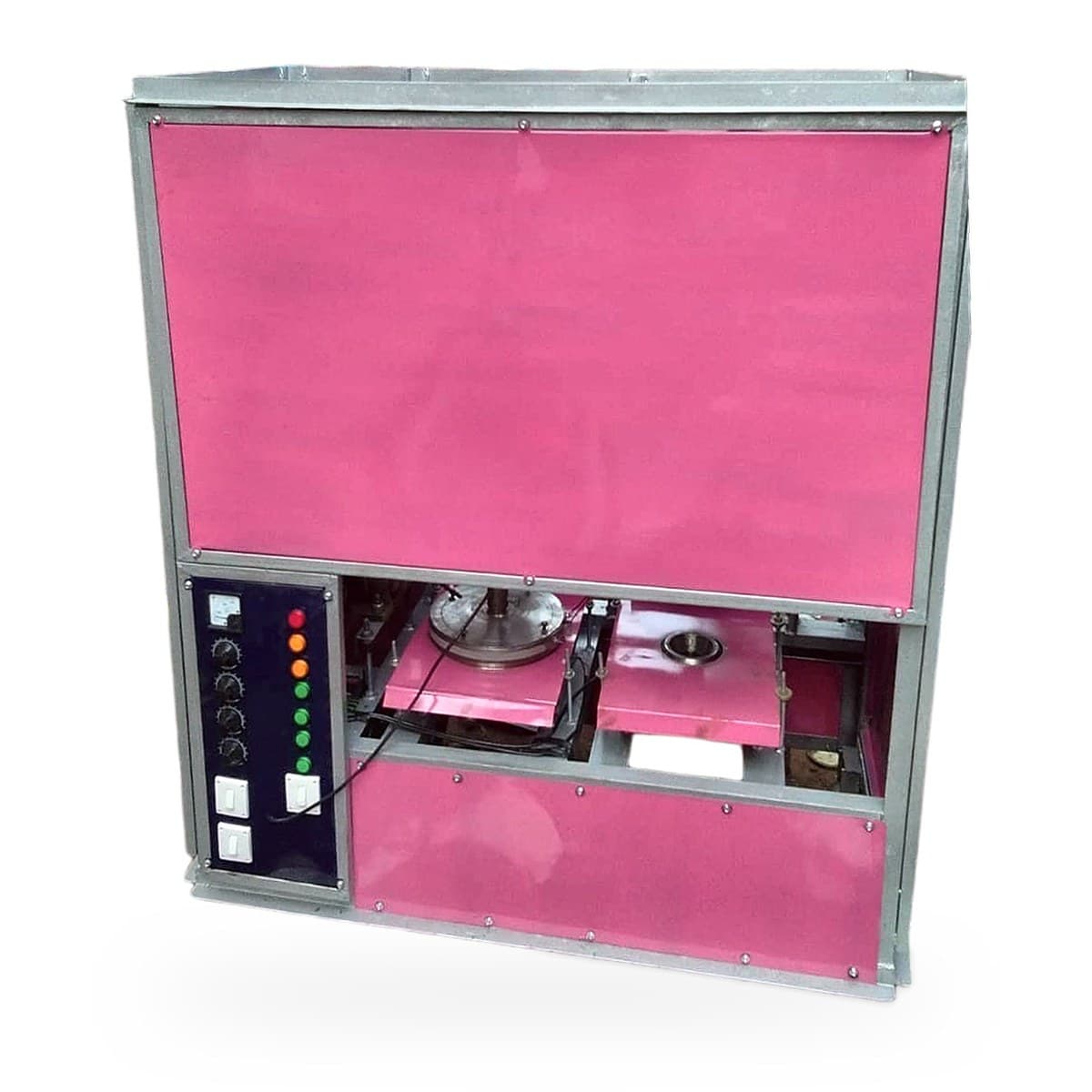
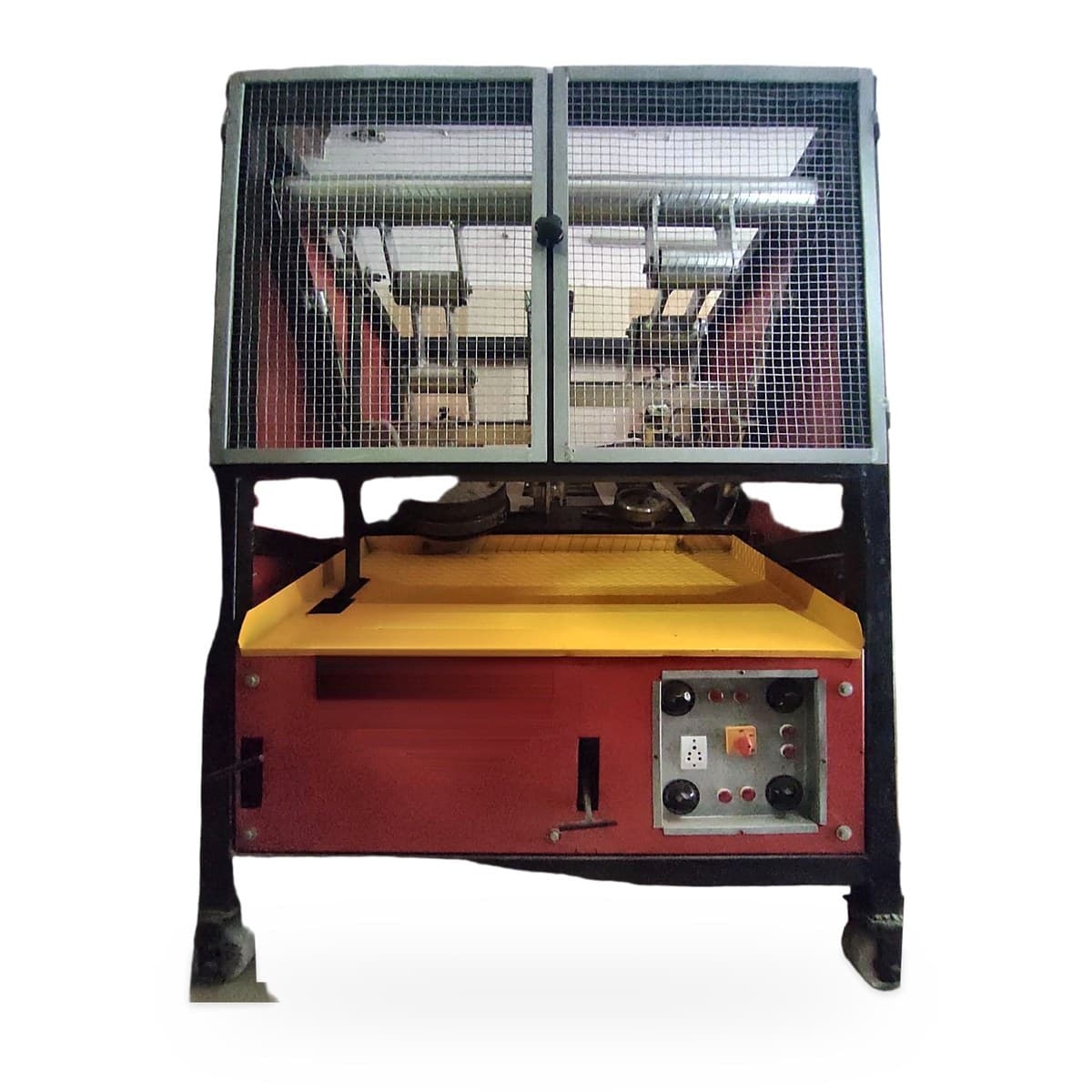
A vertical, single-die fully automatic machine that makes paper plates from 4 to 12 inches and dona, 10,000 to 12,000 pieces a day, on single-phase power in a single room.

Single die fully automatic paper plate and dona machine in a vertical blue and yellow cabinetSingle die · vertical model1 / 3
Output
10,000 – 12,000 / day
Power
1.5 kW · single phase
Plate size
4" to 12"
Footprint
4′ × 2.5′ × 5′

Or call+91 85058 21738/+91 96257 59353

  • Paper & dies available
  • Installation support
  • 1 year motor warranty
  • Support Mon – Sat

Part of our paper plate & dona machines range · GST 18% extra

01Specifications

Technical Specifications

Available in 1 fully automatic models. Compare them below, then ask us for the one that fits your output and power supply.

Get Spec Sheet
Single Die Fully Automatic Paper Plate & Dona Machine: specifications of both models
SpecificationSingle DieVertical · fully automatic
OperationFully automatic, single die
Production per day10,000 – 12,000 pcs
Plate size4" to 12"
Power1.5 kW, single phase
Motor1 HP
Heater500 W
Electricity consumption7 – 8 units per day
Machine size (L × W × H)4′ × 2.5′ × 5′
Machine weight150 kg (approx.)
MakesPaper plates and dona (with suitable die)

Values are from the manufacturer spec sheet. Daily output depends on the plate size, the paper and how steadily the machine is fed. — = not on that model’s sheet yet.

Key Features

  • Fits in a single room

    The vertical cabinet is about 4 by 2.5 feet on the floor, so the machine can run in a spare room or a small shop.

  • Ordinary single-phase line

    It runs on 1.5 kW single phase with a 1 HP motor, which most homes and shops already have.

  • 7 to 8 units a day

    A 500 W heater and a 1 HP motor keep the daily electricity use low for a full shift of pressing.

  • 4 to 12 inch plates

    The die sets the size. Small snack plates through to full meal plates come from the same machine.

  • Plates and dona

    Fit a dona die and the same machine makes bowls for chaat, prasad and sweets.

  • Heated die, automatic stroke

    The die keeps pressing on its own cycle, so the operator only feeds paper and collects pieces.

02Raw Material

Paper and Dies for a One-Room Plate Unit

A small unit has little space for stock, so buy the right paper in the right quantity. These are the items every plate and dona needs, and what to check in each lot.

Raw Material Price
  1. 1PaperCoated reel, or ready-cut blanks for a small start
  2. 2CuttingBlanks cut to suit the die fitted
  3. 3This machineHeated die presses plate or dona automatically
  4. 4CountingPieces counted in fixed lots
  5. 5PackingSleeves or poly bags for shops
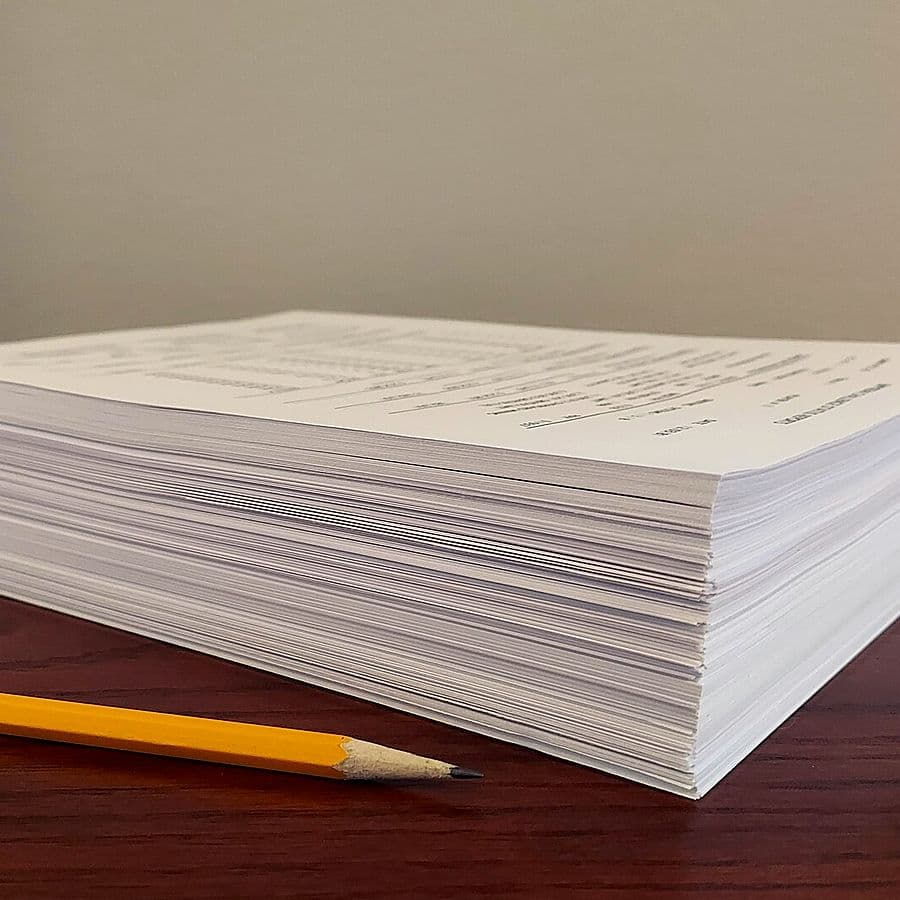
  • Stack of cut paper sheets of the kind placed one at a time on the die of a paper plate machineCore

    Round Blanks

    Pre-cut circles · ready-cut paper

    Paper already cut to the right diameter. Starting with blanks means you can press plates from day one without buying a cutting machine.

    Check when buying

    • Diameter matched to your die
    • Clean edges without tears
    • Same thickness through the lot
    Get price of round blanks
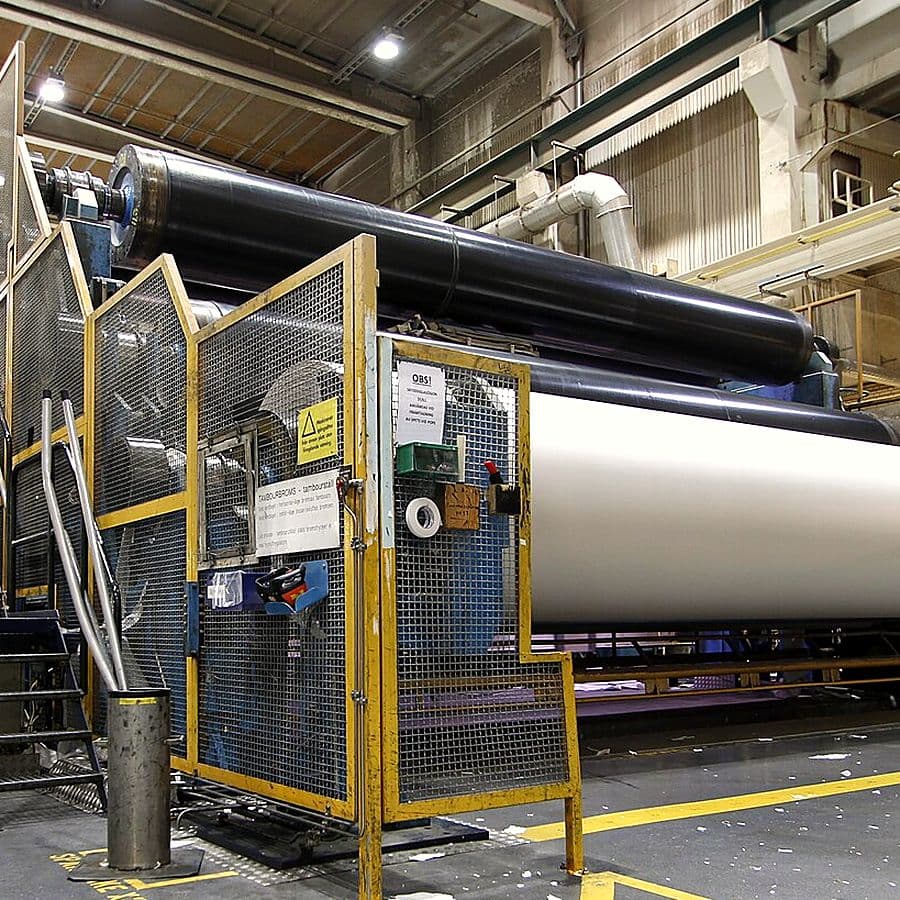
  • Large reel of coated paper on a paper machine, the base material a paper plate machine presses into platesCore

    Coated Paper Reel

    PE-coated paper roll

    The base of every plate. A thin polyethylene coating on one side stops gravy and oil soaking through, and the GSM decides how stiff the plate feels in the hand.

    Check when buying

    • GSM that suits your plate size
    • Even coating with no bare patches
    • Stored dry, off the floor
    Get price of coated paper reel
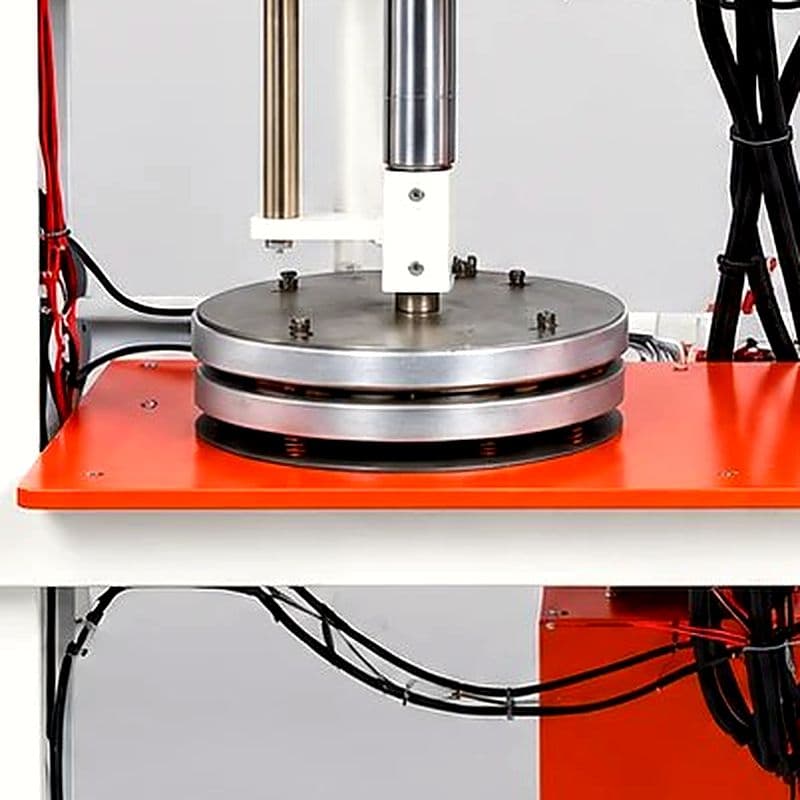
  • Heated round die mounted on a paper plate machine, the mould that forms the plate and its pleated rimCore

    Plate & Dona Dies

    Moulds · die sets

    The heated upper and lower moulds that give the plate its shape. Each size and design, from a small dona to a partition thali, needs its own die set.

    Check when buying

    • Sizes you actually plan to sell
    • Clean pleat grooves with no burrs
    • Heater pockets that fit your machine
    Get price of plate & dona dies
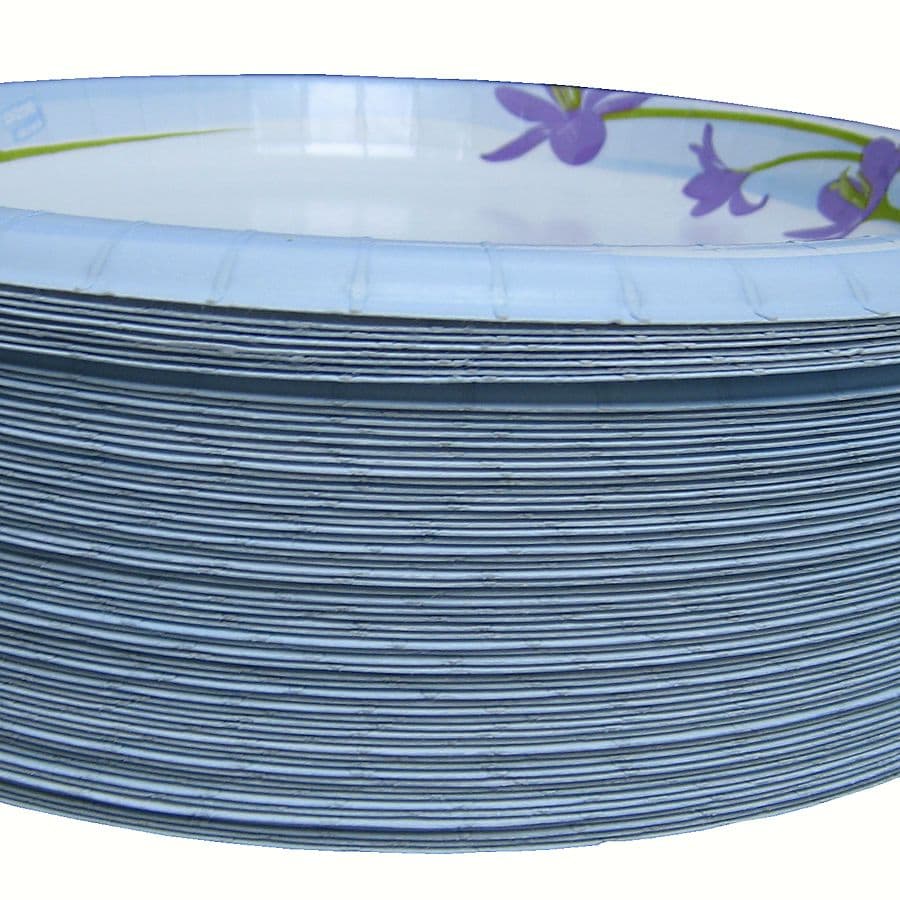
  • Stack of paper plates with a printed floral border, pressed from pre-printed paperFinishing

    Printed & Design Paper

    Design paper · printed reels

    Paper printed with a border, a pattern or your brand name. The plate comes off the die with the design already on it and sells above plain white.

    Check when buying

    • Ink that survives the heated die
    • Print centred for your diameter
    • Designs your buyers ask for
    Get price of printed & design paper
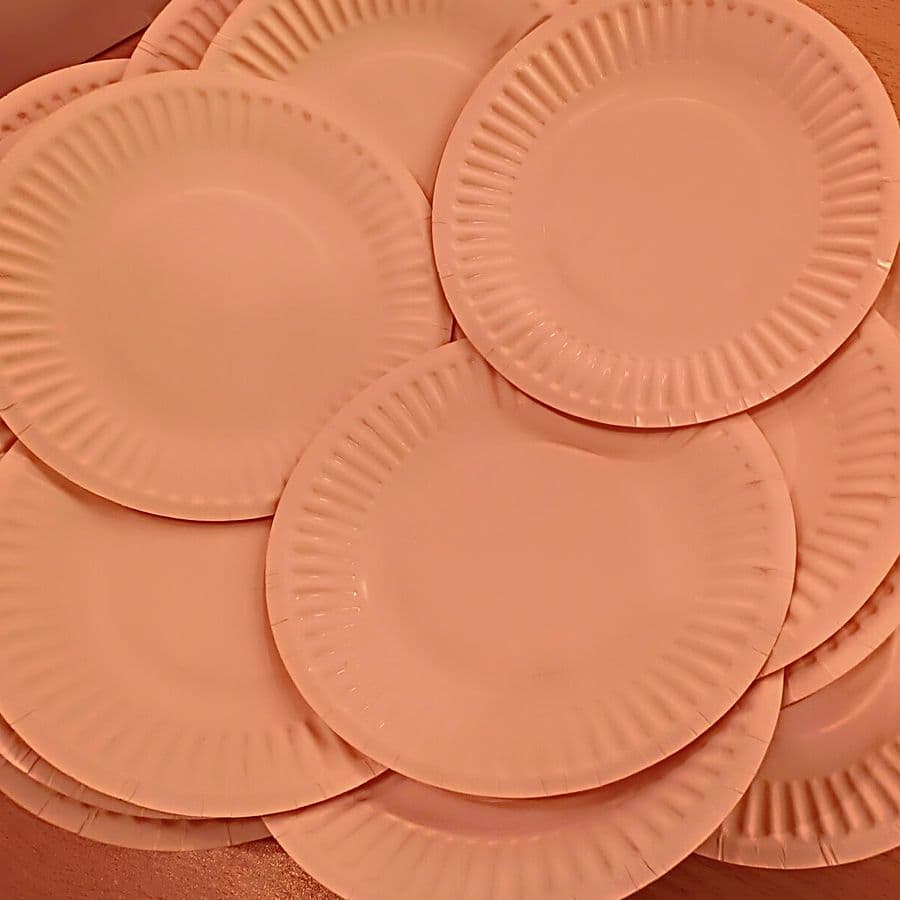
  • Coloured paper plates fanned out on a table, the party-grade product made from laminated paperFinishing

    Coloured & Laminated Paper

    Party plate paper · silver paper

    Coloured, silver and laminated paper for party and wedding plates. It runs on the same die with only a change in temperature setting.

    Check when buying

    • Lamination that does not peel after pressing
    • Even shine with no scratch lines
    • Food-grade coating confirmed by the supplier
    Get price of coloured & laminated paper

Material photos (illustrative): Paper machine by Work With Sounds, CC BY-SA 4.0 · Paper stack by Airborne84, CC BY-SA 4.0 · Coloured plates by Ewloskalw, CC BY-SA 3.0.

One supplier · one quote

Get the machine and your first raw material lot together

Sticks, masala and fragrance that suit this machine, in the same quotation, so production can start as soon as it is installed.

Get Combined Quote

03Complete Guide

Single Die Fully Automatic Paper Plate & Dona Machine: The Complete Guide

How to set up a one-room plate and dona unit on single-phase power, pick your first sizes and know when to upgrade.

By the Shivaa Traders team Updated 5 min read

pieces per day
10–12k
single phase
1.5 kW
plate sizes
4″–12″
approx. weight
150 kg

What Is the Single Die Fully Automatic Machine?

This machine presses coated paper into plates and dona between a heated upper and lower die. Being fully automatic, it keeps pressing on its own cycle once switched on. The operator places paper and collects finished pieces, without pressing a pedal for every stroke.

Everything sits in one upright cabinet: a 1 HP motor, a 500 W heater, the die and the controls. That upright build is what sets it apart from the wider double die model. It trades half the output for a much smaller footprint and a lighter machine, about 150 kg.

Can It Really Run in One Room?

The catalogue describes it as a machine that can be run in a single room, and the numbers back that up. The machine measures about 4 feet by 2.5 feet and 5 feet tall. Add space around it and a small room can hold the machine, a table for counting and a corner for paper and cartons.

  • Power. A normal single-phase line is enough for 1.5 kW. Have an electrician fit a proper socket and earthing for the machine rather than a shared extension board.
  • Floor. A flat, firm floor keeps the machine steady. Ground floor is easier for delivery.
  • Air. The heated die warms the room. A window or exhaust fan makes a long day easier for the operator.
  • Dry storage. Paper must stay dry, so keep it on a rack, not against an outside wall.

If you run a business from a residential building, check the local rules for that first.

Choosing Your First Plate and Dona Sizes

The machine can make plates anywhere from 4 to 12 inches, but each size needs its own die. Most new units start with one or two dies and add more as buyers ask.

Before you choose, walk round your nearest market and note what sells. Sweet shops and chaat stalls use small plates and dona. Caterers and tent houses want full meal plates. Temples and bhandara organisers buy dona in bulk around festivals. Pick the sizes that match the buyers you can reach on your own, because a small unit grows through local shops first.

What a Working Day Looks Like

A typical day has three parts. First, switch on and let the die reach temperature, then press a few test pieces and check the rim. Second, run steadily, feeding blanks and lifting finished pieces. Third, count, bundle and pack.

One person can run the machine. The rated figure of 10,000 to 12,000 pieces assumes steady feeding, so the real number depends on how smoothly the operator works and how often the run stops. In practice, packing is the job that falls behind, so a second pair of hands for counting and bundling usually lifts output more than anything else.

The 7 to 8 units of electricity a day is a useful number for costing. Multiply it by your local tariff to know the power cost per day, then divide by the pieces you made.

Paper: Reels or Ready-Cut Blanks?

You can buy coated paper as a reel and cut it into circles, or buy ready-cut round blanks.

Ready-cut blanks are the easy start. No extra machine, no offcuts, and you can begin pressing the day the machine is installed. Each piece costs a little more.

Reels are cheaper per plate but need a cutting step. Most small units start with blanks and move to reels once sales are steady and the saving is worth a cutting setup.

For party orders, silver, coloured and printed paper run on the same die with a change in temperature. Shivaa Traders supplies paper and dies with the machine.

Check every new lot before you run it. Press a handful of pieces and look at three things: the rim pleats should be even all round, the coating should not lift or bubble, and the plate should hold its shape when you press the centre with a finger. If one of these fails, try a small change in temperature first. If the problem stays, set the lot aside and call your supplier with a sample, because damp or uneven paper will not improve on the machine. Store opened packets sealed in poly so they do not pick up moisture overnight.

When to Move to a Bigger Machine

Watch two signs. If you are turning away orders because the machine cannot make enough, or if the machine runs from morning to night every day, it is time to look at a second machine.

The natural next step is the double die fully automatic paper plate machine, rated at 20,000 to 24,000 pieces a day on the same 1.5 kW. If you want more shapes, such as deep thali or partition plates, a single die hydraulic paper plate machine handles those well. For a unit that has to switch products often, see the heavy duty multipurpose model.

Many families running a plate unit from home also add a second small product with steady local demand. The manual diya making machine and the paddle type agarbatti machine also fit in a small room and sell into the same festival season.

Simple Care for a Small Machine

  • Daily: wipe the die while warm, clear paper bits, switch off at the panel at the end of the day.
  • Weekly: oil the moving points shown at installation and check belt tension.
  • Monthly: check heater leads, panel wiring and earthing, and look at the die face for scratches.

The motor carries a one year warranty. Keep your invoice safe and call us if anything sounds or smells unusual, before it turns into a bigger repair.

Short Mein Samjhiye (Hinglish Summary)

Single die fully automatic paper plate aur dona machine khadi (vertical) machine hai jo ek kamre mein chal jaati hai. Din mein 10,000 se 12,000 piece banti hain, plate 4 se 12 inch tak, aur dona ke liye alag die lagta hai. Single phase 1.5 kW par chalti hai aur din mein 7 se 8 unit bijli leti hai.

Shuru mein ready-cut paper lijiye aur ek plate die ke saath ek dona die rakhiye. Order badh jaayein to double die machine le sakte hain. Price aur demo video ke liye humein WhatsApp kijiye.
Have a question this guide didn’t answer?Our team replies on WhatsApp and call, Mon – Sat, 10:00 AM – 7:00 PM.

Ask on WhatsApp

FAQs

Frequently Asked Questions

What buyers ask us most about the single die fully automatic paper plate & dona machine.

Ask your own question on WhatsApp

What is the price of the single die fully automatic paper plate machine?

The price depends on the dies you take and current rates. Message us on WhatsApp or call with the sizes you plan to make and we will share the latest price. GST at 18% is extra.

How many plates can it make in a day?

It is rated at 10,000 to 12,000 pieces a day. Real output depends on plate size, paper quality and how steadily the operator feeds blanks.

Can I run it at home?

The machine is built for that. It is vertical, about 4 by 2.5 feet on the floor and 5 feet tall, and runs on 1.5 kW single-phase power. Check local rules for running a business from a residential property.

How much electricity does it use?

About 7 to 8 units a day, from a 1 HP motor and a 500 W heater.

Which plate sizes can it make?

Plates from 4 inches to 12 inches, with one die set for each size. Dona is made by fitting a dona die.

How heavy is the machine?

About 150 kg. Two or three people can place it, and a ground-floor room is easier for delivery.

What raw material do I need?

Coated paper as reels or ready-cut round blanks, a die for each size, and packing sleeves or poly bags. Shivaa Traders supplies paper and dies with the machine.

Should I take the single die or the double die model?

The single die model makes 10,000 to 12,000 pieces a day in less space. The double die model makes 20,000 to 24,000 on the same 1.5 kW. If you can already sell more than the single die output, the double die is the better buy.

How many workers does it need?

One person can feed and collect. A family member helping with counting and packing makes the day go much faster.

What warranty do you give?

One year warranty on the motor. Installation and transport charges are extra and we are not responsible for damage in transit.

Best price

Get the price of the Single Die Fully Automatic Paper Plate & Dona Machine

Tell us your model, power supply and stick size. We reply with the price, spec sheet and demo video, and a raw material quote if you need one.

Get Best Price on WhatsApp

Send an enquiry

The machine is already selected. Add your details and press send.

Opens WhatsApp with your details filled in.