What Is a Mini Hydraulic Paper Plate Machine?
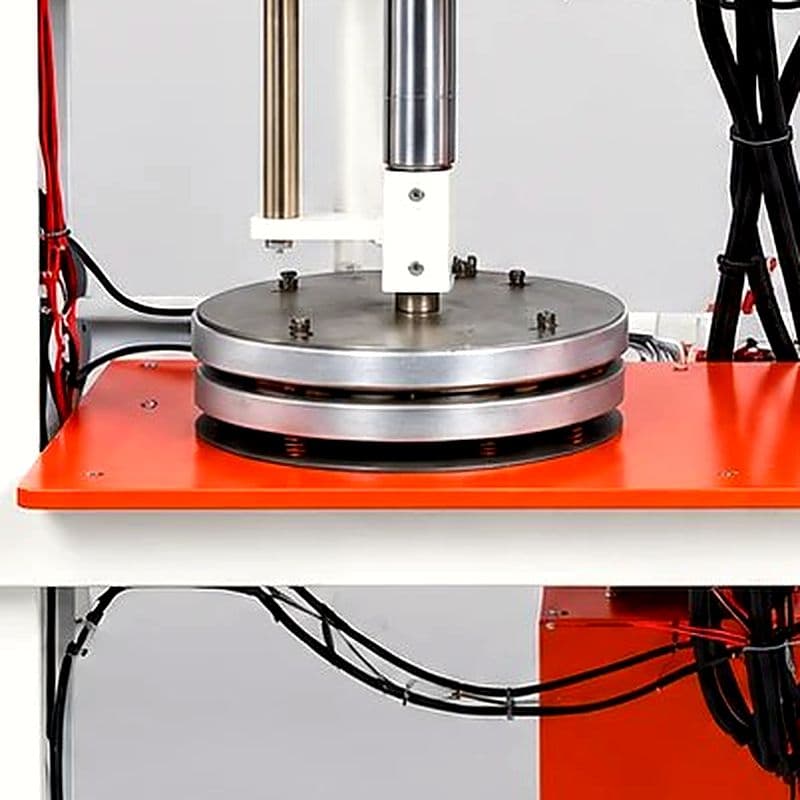
Every paper plate is a flat circle of coated paper pressed between two shaped metal dies. Heat softens the coating, pressure forms the rim, and the plate holds its shape once it cools. The only question is how the die is pushed down.
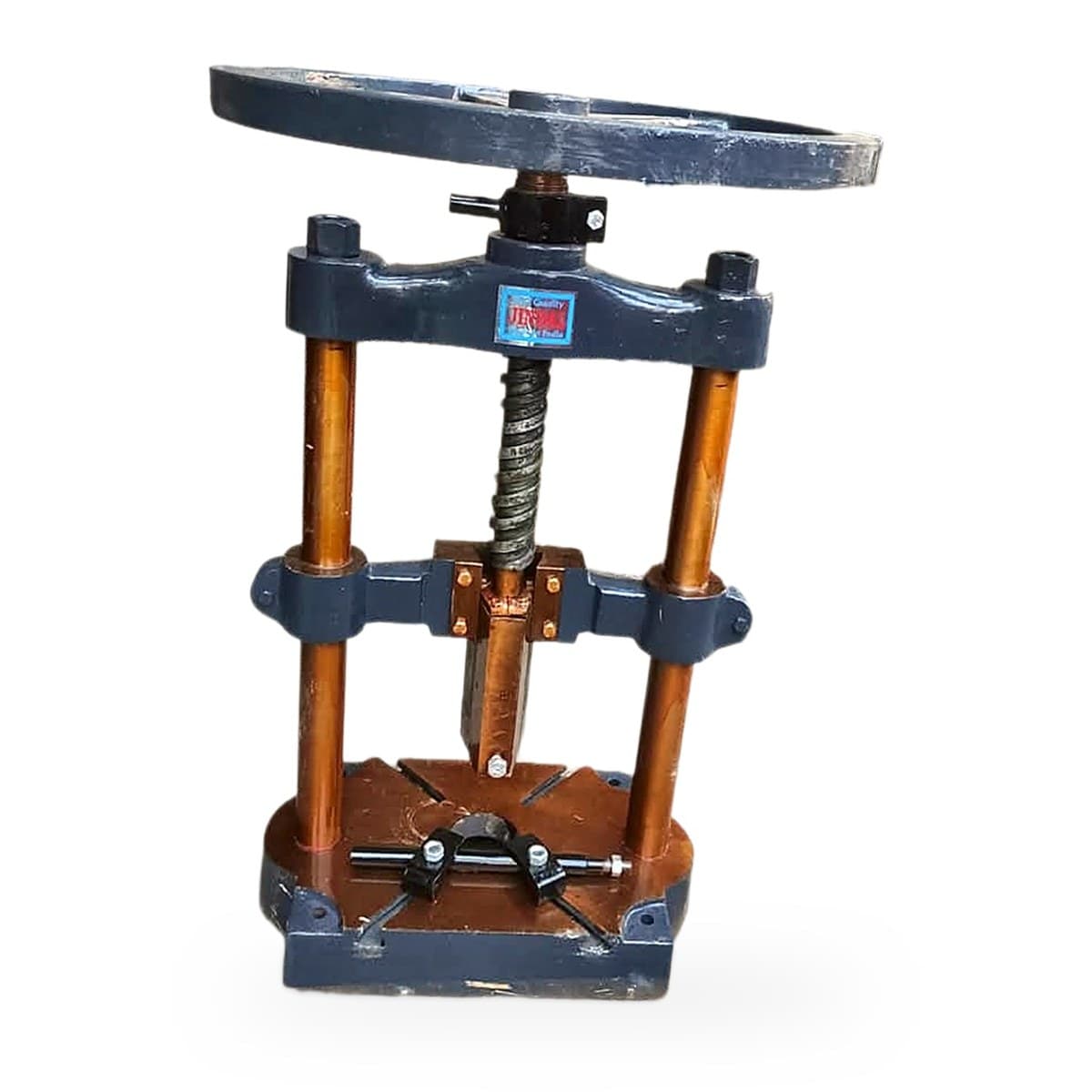
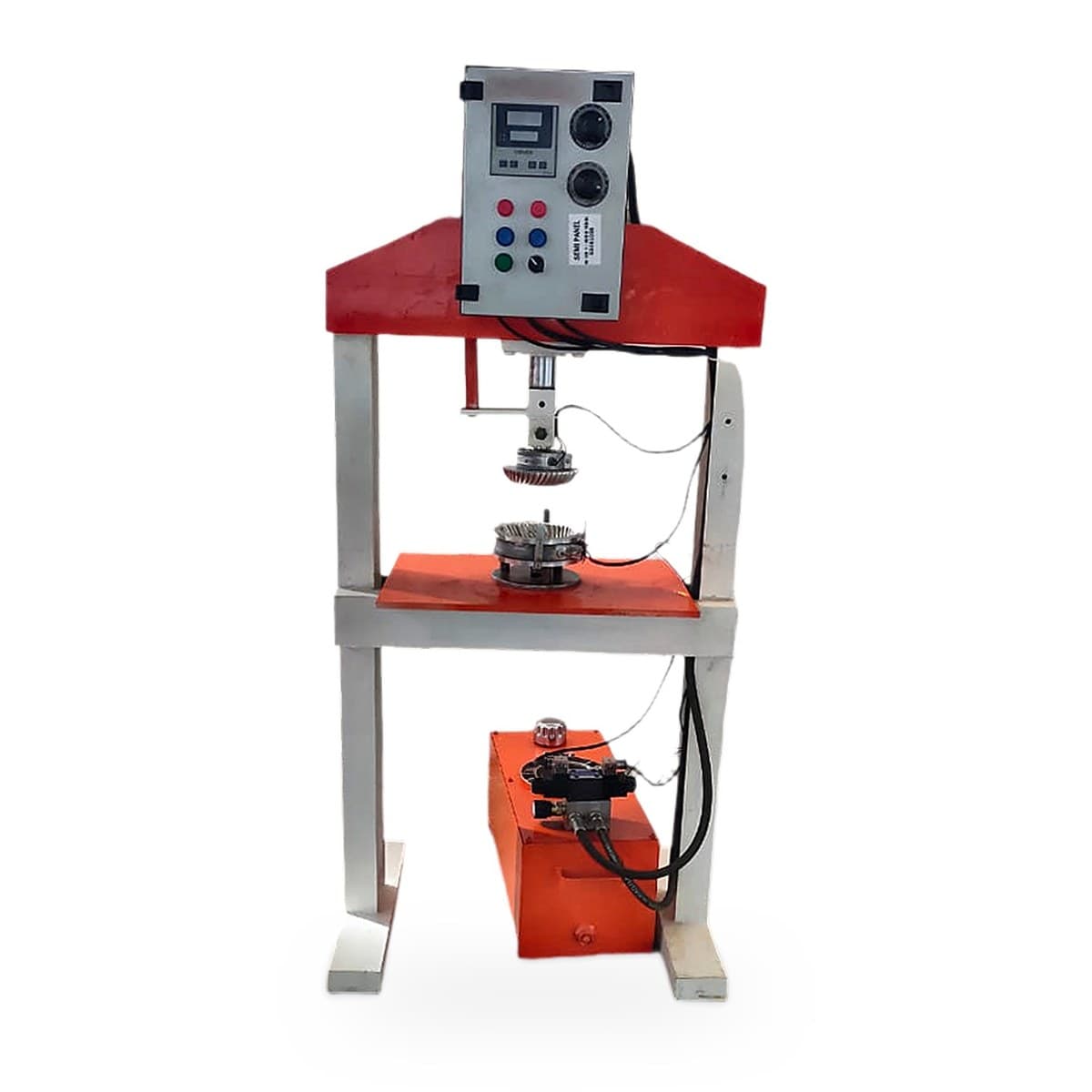
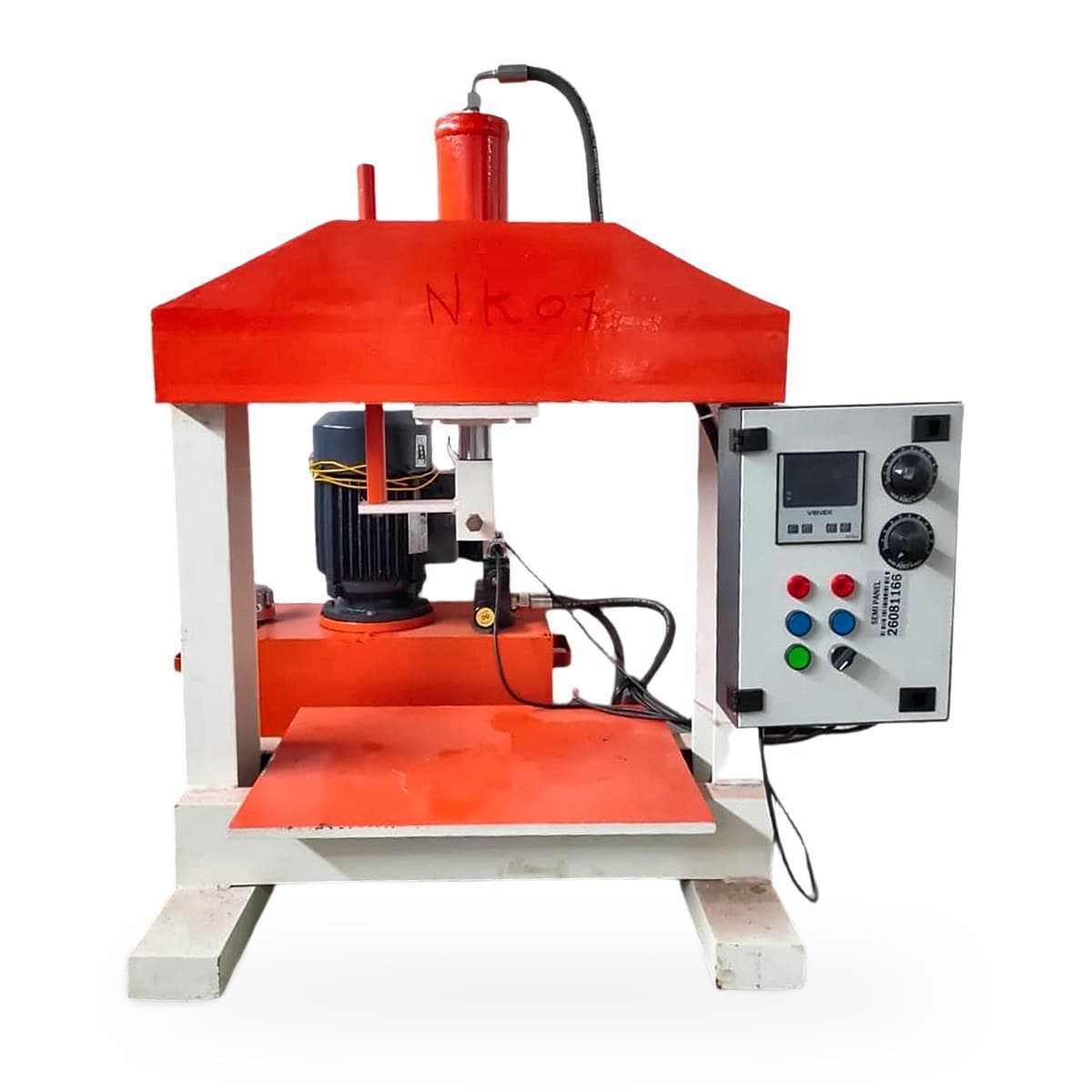
On a manual machine you turn a wheel or pull a lever. On this mini machine an electric motor runs a small pump, oil drives a cylinder, and the cylinder brings the die down with steady force. You get the same pressure on every plate without tiring your arms. The motor, oil tank and cylinder are built into the frame, and a control box on the side holds the switches and the digital temperature display.
Who It Suits, and Who Should Buy Bigger
This machine fits a particular kind of buyer well:
- Someone starting from home who wants a machine that fits in one room.
- A shop owner who wants to make plates for nearby sweet shops and stalls.
- A first-time buyer who wants to learn paper, dies and selling before spending more.
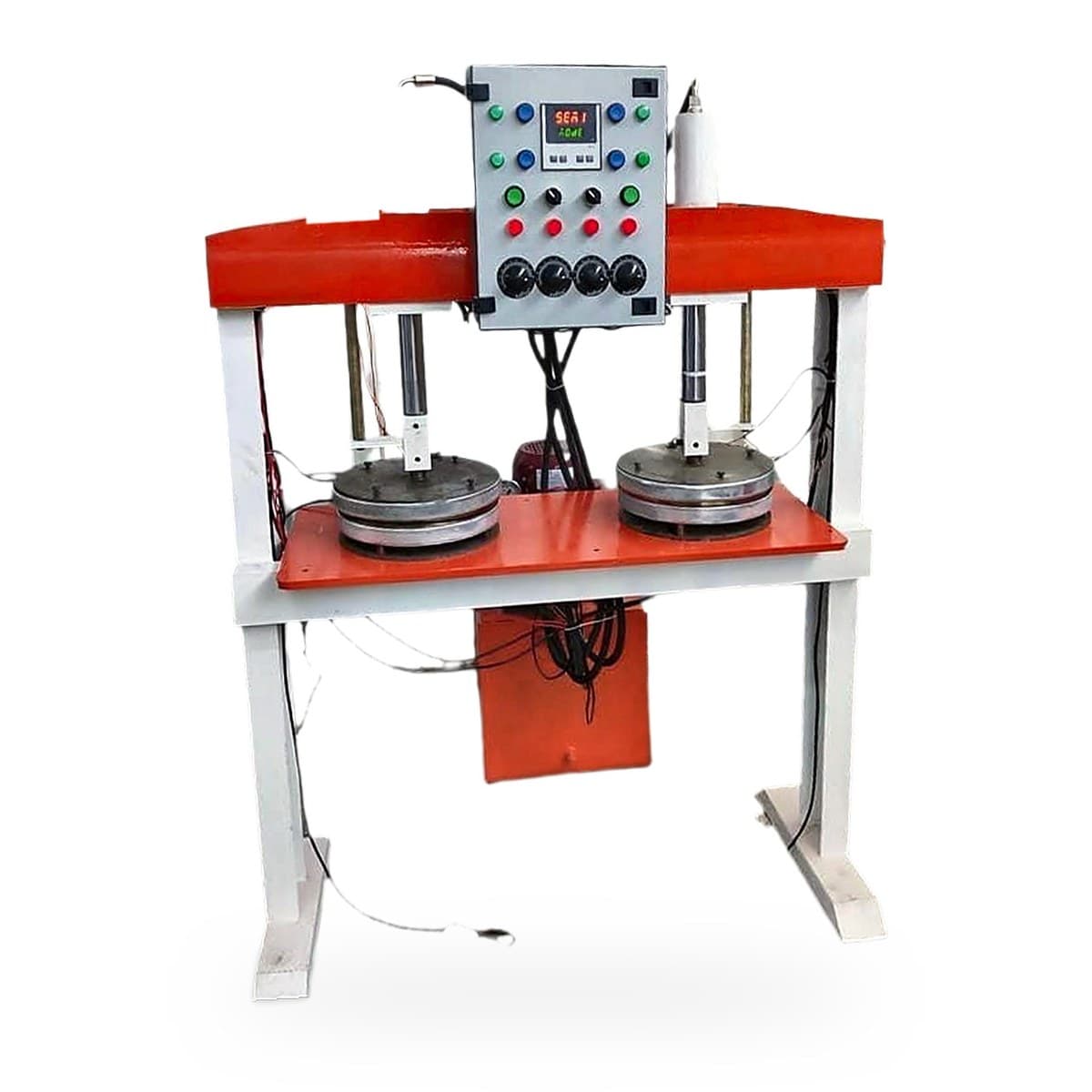
If you only want the lowest possible investment and do not mind hand effort, the manual paper plate making machine costs less. If you already have bulk buyers, a larger press such as the double die hydraulic paper plate machine or the 3 die hydraulic machine that also makes areca plates will serve you better.
Your First Week With the Machine
Most new owners waste paper in the first few days. That is normal. A simple plan keeps the waste low:
- Start with one plate size, the one local buyers ask for most.
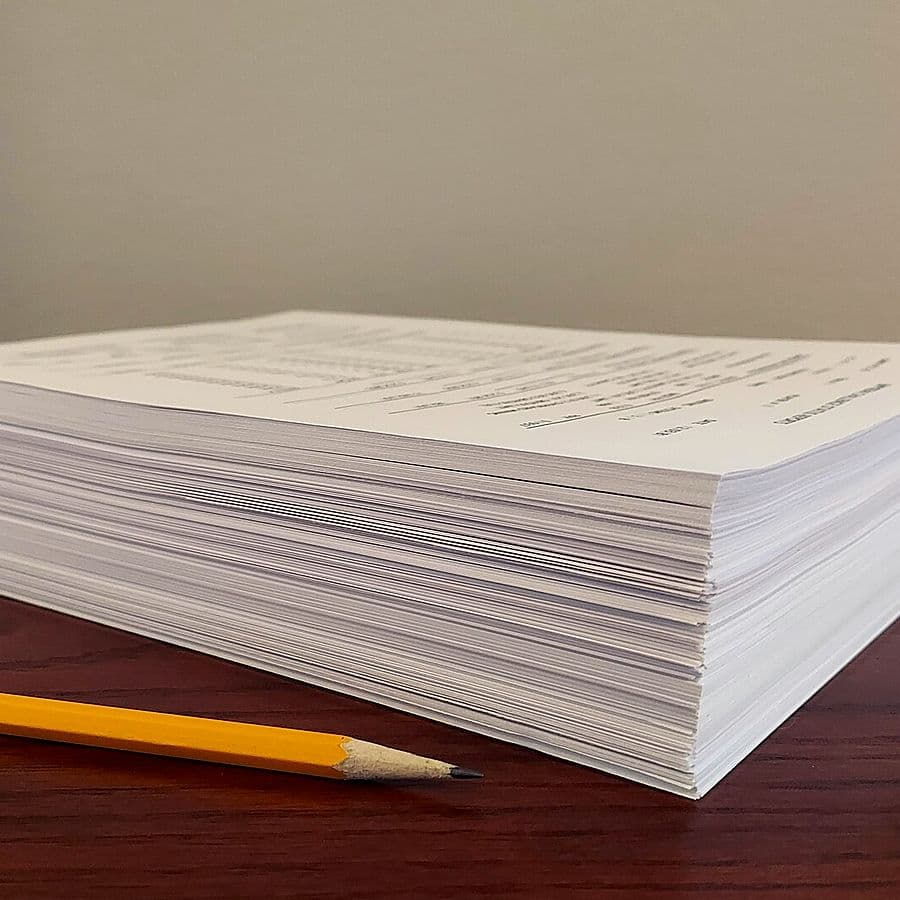
- Buy ready-cut round blanks for that size so you do not need a cutter yet.
- Let the die reach its set temperature before the first plate. Press ten plates and look at the rims.
- Adjust the temperature in small steps until the pleats are even and the coating does not stick.
- Write down the setting that works for that paper. Use it every day.
- Count and pack in hundreds from day one, so your stock is always ready to sell.
Getting the Temperature Right
The digital controller is the most useful thing on this machine for a beginner. With a plain knob you guess. With a display you can repeat a setting exactly.
Too cold and the rim springs back or the pleats look soft. Too hot and the coating can stick to the die, scorch, or leave marks. Thicker paper and printed or laminated paper often need a different setting from plain white. Change one thing at a time, either temperature or paper, and press a few test plates after each change. Wipe the die while it is warm so coating does not build up on it.
Setting Up in a Room at Home
A spare room or a covered verandah can work. Think about these before the machine arrives:
- Power. Ask us for the motor and heater details and show them to your electrician. Use a proper earthed socket and a separate switch.
- Floor. Level and firm, with space to stand in front and walk around.
- Dry storage. Paper soaks up damp and then presses badly. Keep it off the floor and covered.
- Safety. The die is hot. Keep children away while it runs and switch off the heater when you stop.
Paper plates count as food-contact packaging. If you sell under your own brand, check which local registrations and labelling rules apply to you.
Finding Your First Buyers
The first buyers are usually close by. Sweet shops, chaat and pani puri stalls, small caterers, temples and tiffin services all use plates daily. Take a sample bundle of each size, ask what they pay now, and offer steady supply. Regular weekly orders matter more than one big order.
Printed, coloured and silver plates sell for weddings and parties. Once your plain plates are steady, try a small lot of printed paper and see how it moves.
Keep your prices simple and your supply regular. A shop that gets the same plate on the same day every week is unlikely to switch to another supplier for a small saving. Keep a note of what each buyer takes, so you can press ahead of their next order instead of rushing at the last minute.
Looking After the Machine
A small hydraulic machine needs little attention, but the attention it needs is regular. Wipe the die at the end of each day while it is still warm, so paper coating does not bake on and spoil the next plate. Once a week, check the oil level in the tank and look at the hose joints for drips. Dirty or low oil makes the pump noisy and the stroke weak, so change it when it turns dark.
Keep the control box closed and dry, and never spray water near it. If the display shows a temperature that the die does not seem to reach, ask us to check the heater and sensor before you keep pressing, because a cold die wastes paper. Tighten the die fixing bolts now and then, and keep the table clear of paper scraps that can slip under the die.
When to Add a Second Machine
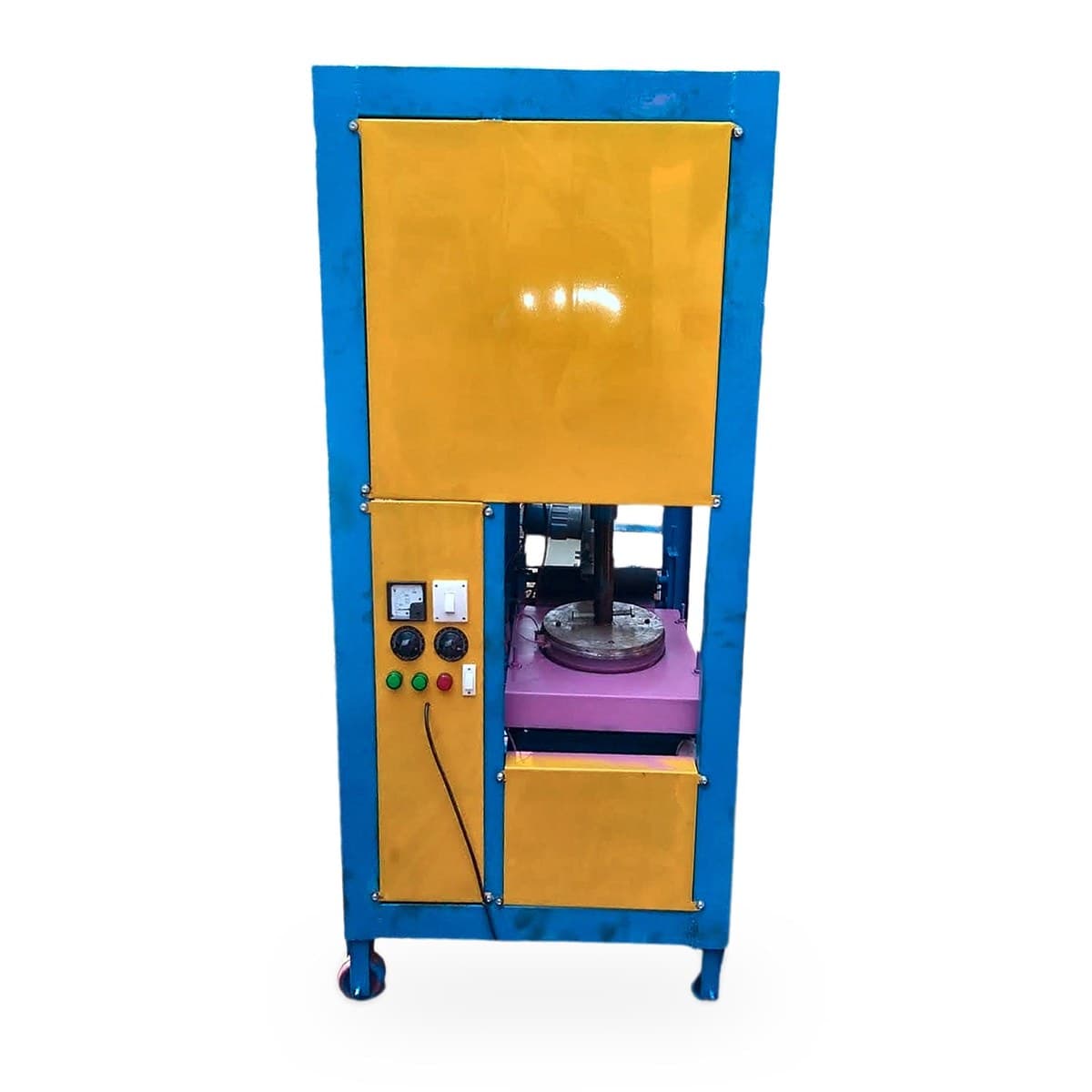
Add capacity when you are turning orders away, not before. The usual next step is a second hydraulic die or a single die fully automatic plate and dona machine, which runs continuously. Some units also add a different product in the same room, for example a paddle type agarbatti machine, so the same sales visits carry two products.
Short Mein Samjhiye (Hinglish Summary)
Mini hydraulic paper plate machine chhoti aur single die wali machine hai. Motor aur hydraulic unit andar hi laga hai, aur temperature digital controller se set hota hai. Ghar se ya chhoti dukaan se paper plate ka kaam shuru karne walon ke liye yeh achhi shuruaat hai.
Shuru mein ek hi size banaiye, ready-cut blank lijiye, aur sahi temperature note kar lijiye. Paper ko sookhi jagah rakhiye. Output aur bijli ki details request par milti hain. Price ke liye WhatsApp kijiye. GST 18% alag.