
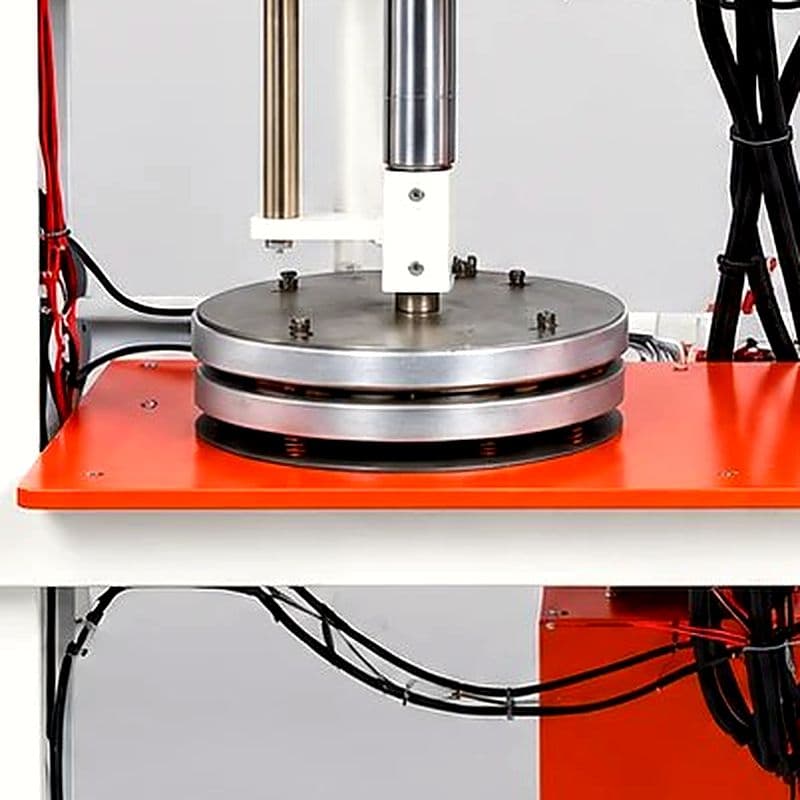
What Is a 3 Die Hydraulic Plate Machine?
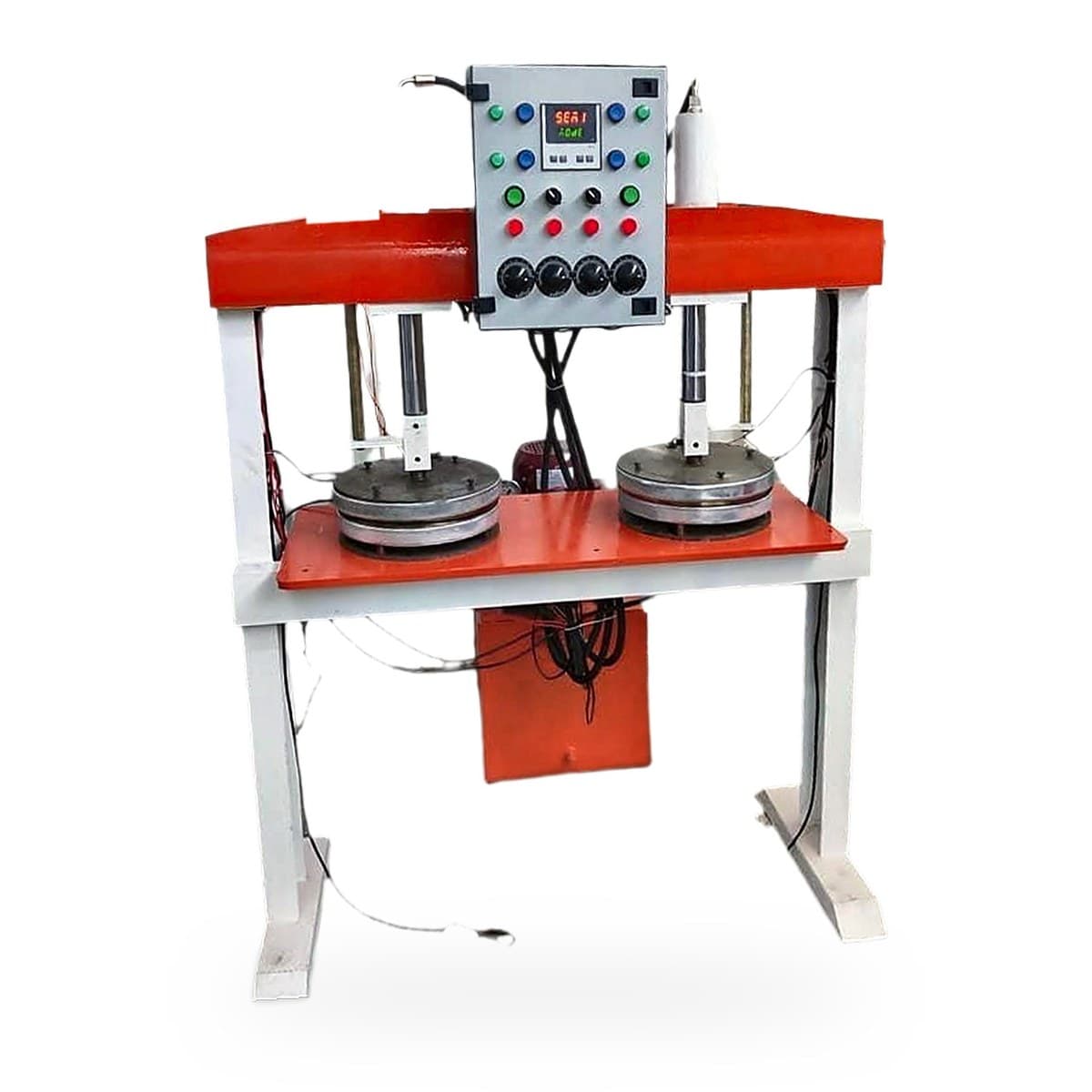
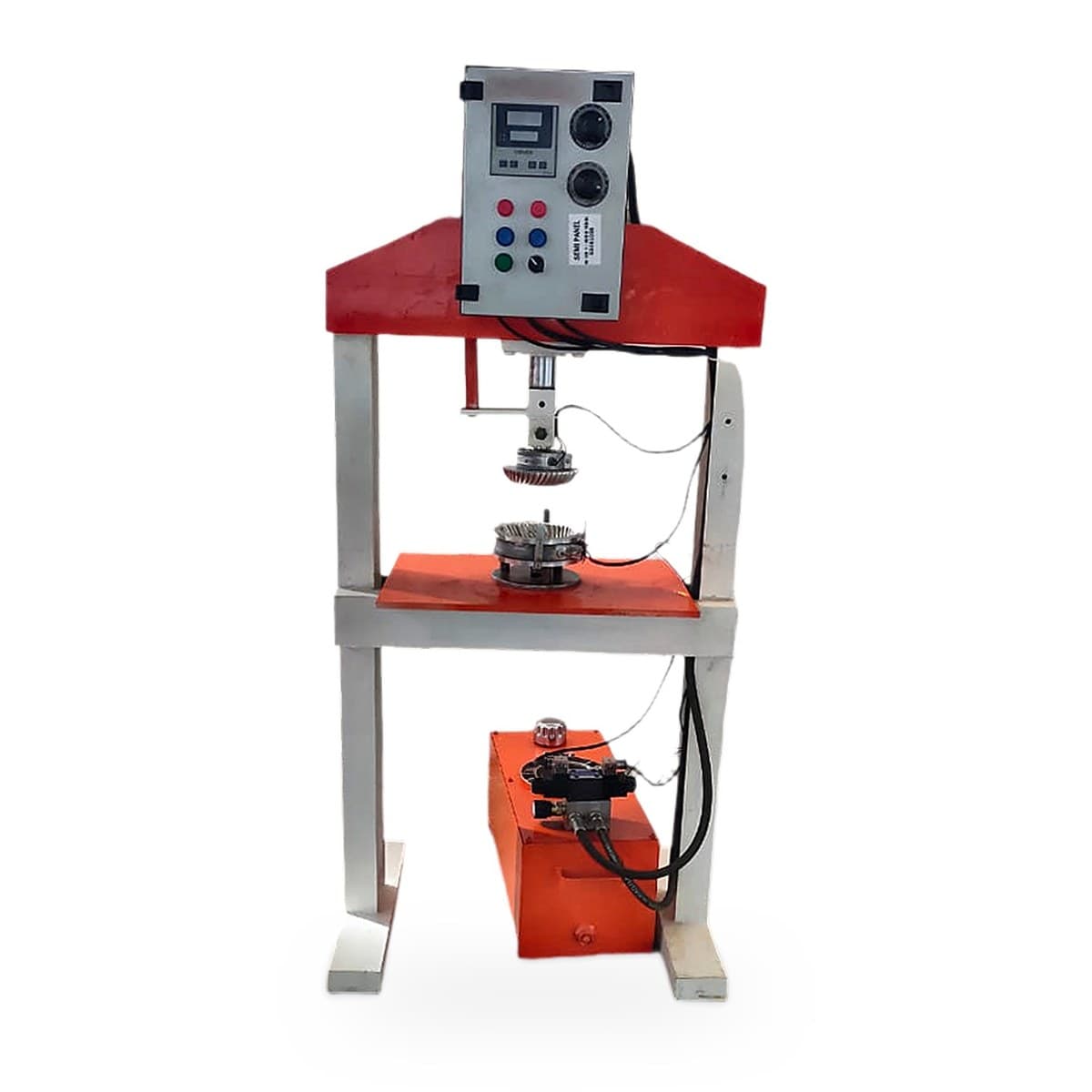
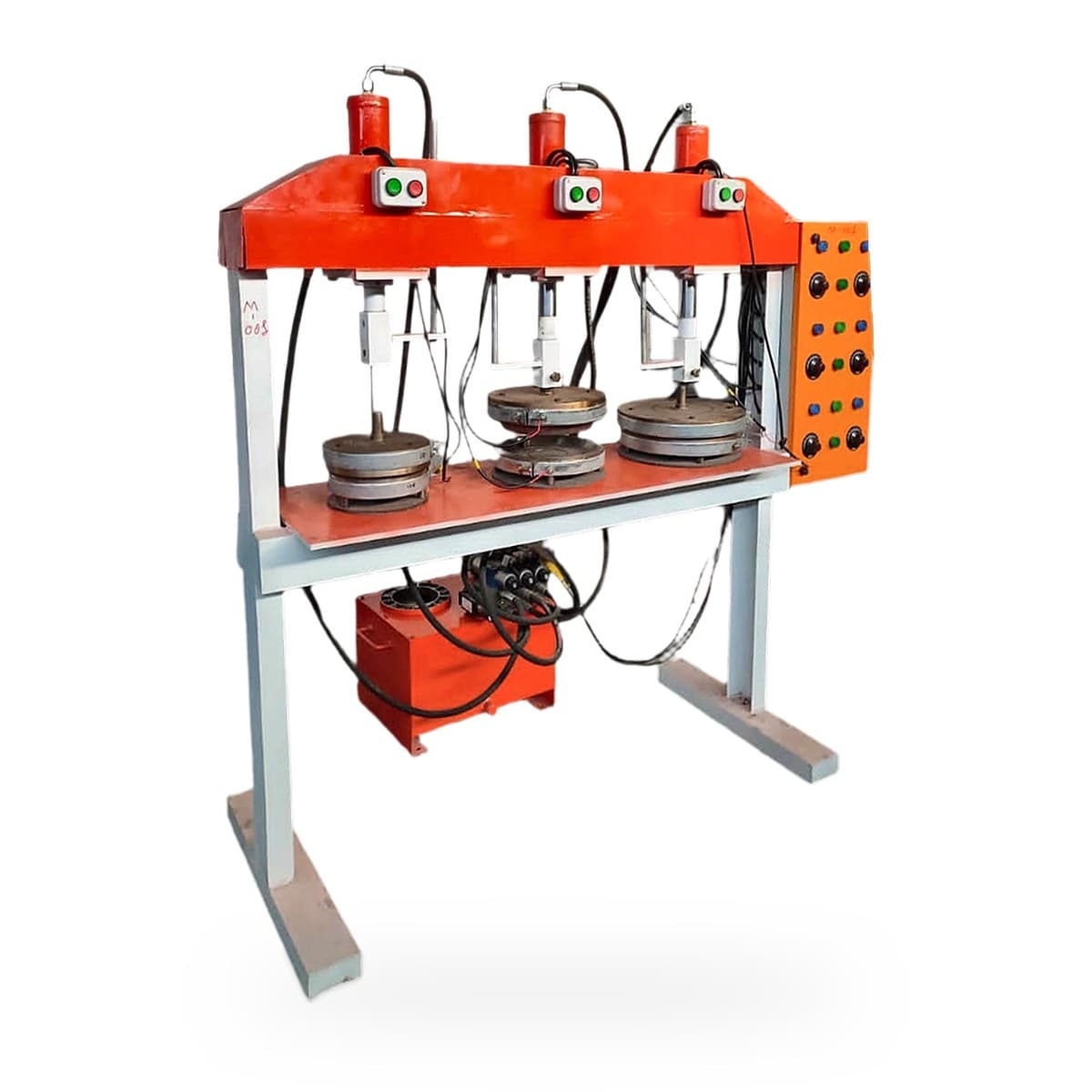
A hydraulic plate machine presses a sheet of material between a heated upper die and a lower die. Oil pushed by a motor-driven pump drives a cylinder down, the die closes, holds for a moment and opens again. The heat and pressure set the shape. Paper keeps it because its coating softens and sets, and areca sheath keeps it because its natural fibres dry into the new form.
This model puts three of those stations on one heavy mild-steel frame. Each has its own cylinder and its own start and stop switches on the top beam, and a side panel carries the temperature controls. The tank, motor and valve block sit together as a power pack below the table and feed all three cylinders by hose. In the trade it gets called a triple die machine, a 3 die dona pattal machine or an areca plate machine, depending on what the buyer plans to make.
Paper or Areca: Two Products From One Press
Most plate machines are bought for paper only. This one is listed for paper and areca, which opens two kinds of buyer from one investment.
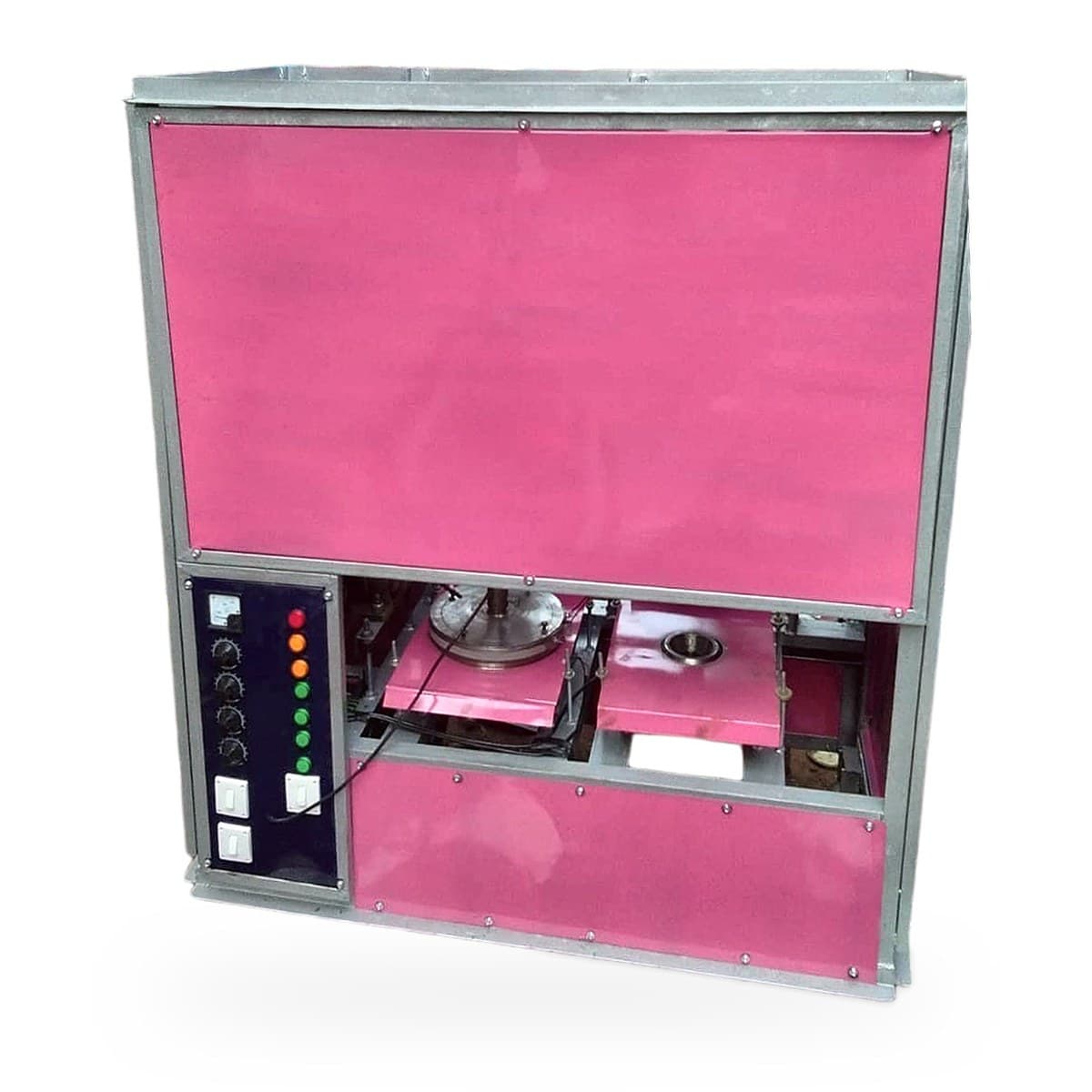
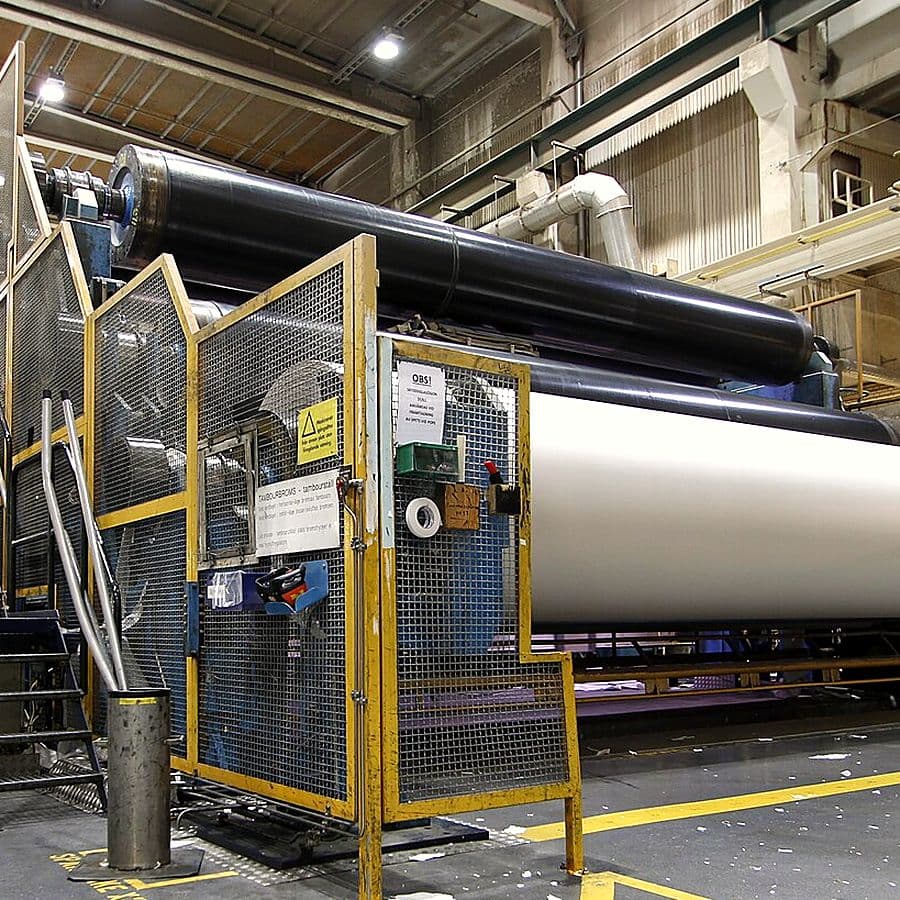
Paper plates sell on price and volume. Sweet shops, chaat stalls, caterers and wholesalers buy them by the hundred. The raw material is coated paper bought as reels or as pre-cut round blanks, and it is the same paper used on the fully automatic double die paper plate machine.
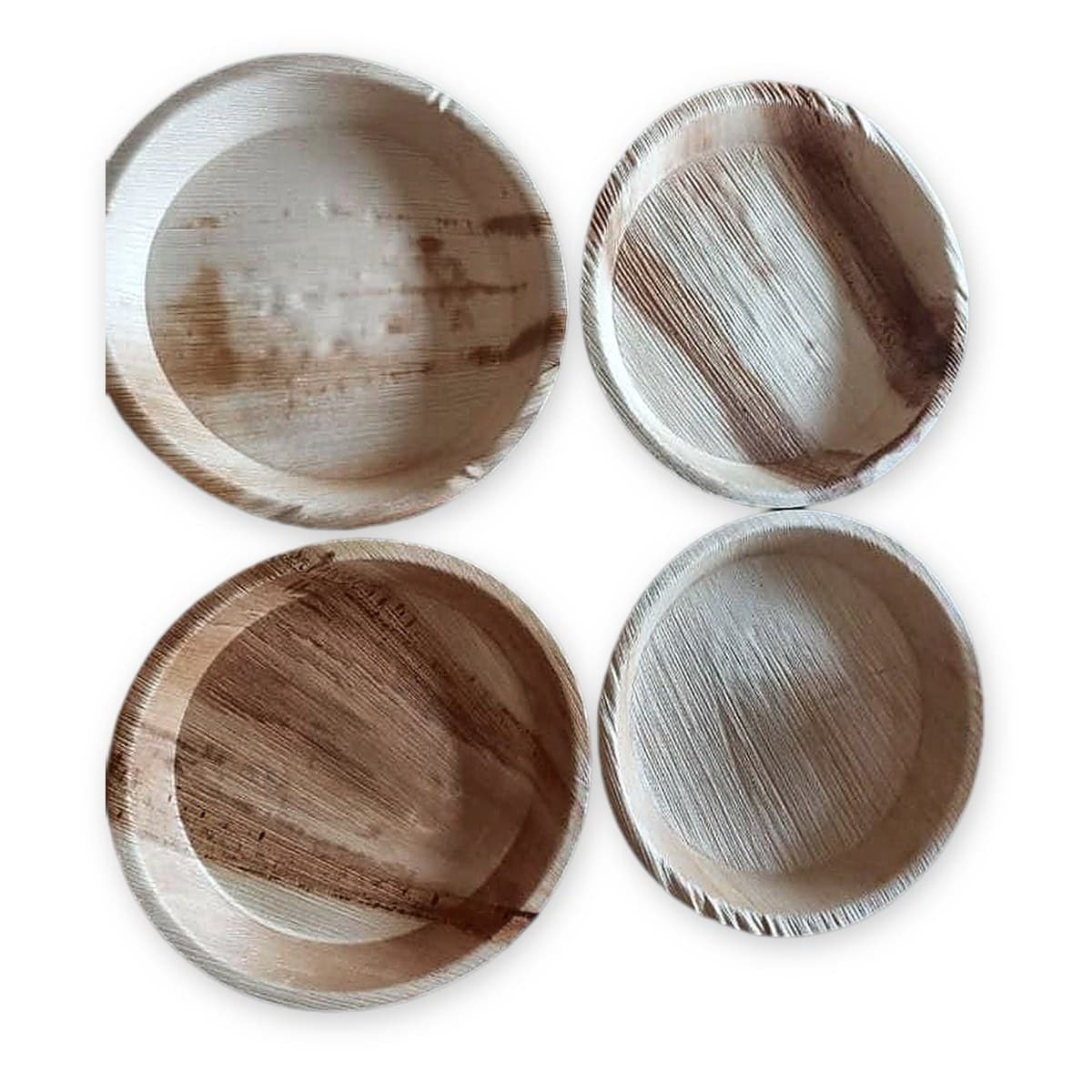
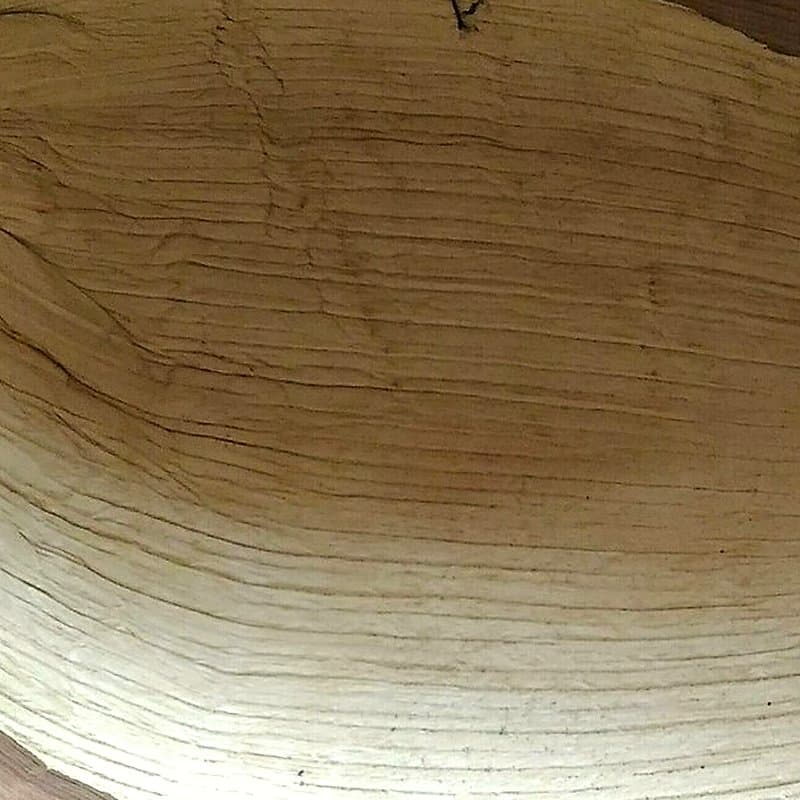
Areca leaf plates sell on looks and on being natural and compostable. Each plate shows its own leaf grain, which buyers at weddings, organic stores and export packers like. The raw material is the dry sheath that drops from the areca nut palm. If you would rather trade finished plates before you make them, see our areca leaf plates in all sizes.
Leaf or pattal plates made from stitched sal or siali leaves are a third option on the same press. Each material needs its own die profile and its own temperature, so plan your die sets around the products you can actually sell.
Preparing Areca Sheaths Before Pressing
Paper comes ready to press. Areca sheath does not, and new units lose most of their wastage here.
- Sort. Keep whole sheaths. Set aside cracked, holed or mouldy ones, because the press will not hide those faults.
- Wash. Scrub off dust and dirt with plain water and a brush. Many units use a simple tank.
- Soften. A dry sheath cracks under the die. Soaking or spraying lets the fibres bend into the mould. How long depends on how dry your lot is, so test a few pieces first.
- Trim to size. Cut each sheath roughly to the die so the extra edge does not jam or tear.
- Press and settle. After pressing, stack the plates loosely so they finish drying before packing. Packing damp plates invites mould.
Working Three Stations With One Operator
With three dies, the operator works in a loop. Place material in the first die and start it, move to the second, then the third, and by then the first is ready to open. The rhythm matters more than raw speed. A steady loop keeps every die at an even temperature, gives the same dwell time to every plate and gives you plates that look alike.
The separate switches help here. When one die needs a wipe or a die change, stop that station and keep the other two working. Some units run two paper dies and one areca die side by side to fill mixed orders. Keep a second person for counting and packing so the operator never stops the loop to bundle plates.
Single, Double or Three Dies
The same hydraulic family comes with one, two or three dies. The choice depends on the orders you have or expect.
| Single die | Double die | 3 die | |
|---|---|---|---|
| Plates per feeding round | 1 | 2 | 3 |
| Best for | Learning, small orders | Growing local supply | Steady bulk and mixed orders |
| Floor space | Least | More | Most |
| Areca plates | Possible on any of them with the right die | ||
If you are still testing the market, the single die hydraulic paper plate machine or the double die hydraulic model lets you start smaller. For the lowest starting cost there is the mini hydraulic paper plate machine.
Space, Power and Setup
Plan the room around the material flow, not just the machine. You need a dry store for paper and sheaths, a wet area for washing areca if you make it, the press itself with room to walk along all three dies, and a packing table. Keep water and wet sheaths away from the control panel and wiring.
The motor rating and power connection for this model are available on request. Ask for them before you order so your electrician can check the supply, and place the machine on a level floor that can take the frame and the oil tank. Keep the hoses clear of walkways.
Looking After the Dies and the Power Pack
- Wipe each die while it is warm so paper coating or leaf residue does not bake on.
- Check the oil level in the power pack and look for leaks at hose joints every week.
- Keep the oil clean. Dirty oil wears the pump and valves.
- Check that each heater reaches its set temperature. A cold die gives soft rims and cracked areca.
- Tighten frame bolts and die mounts from time to time, because three cylinders work the frame hard.
Many plate units add a second product line in the same shed later. A supari cutting machine fits naturally if you already buy from areca growers.
Short Mein Samjhiye (Hinglish Summary)
Yeh 3 die hydraulic machine hai. Teen die hain aur har die ka apna cylinder aur apna switch hai. Ek hi power pack teeno cylinder chalata hai. Is par paper plate, areca (supari patta) plate aur pattal teeno ban sakte hain, bas die aur temperature badalna hota hai.
Areca patta ko pehle saaf kijiye, thoda bhigo kar naram kijiye, size mein kaatiye, phir press kijiye. Plate ko pack karne se pehle achhi tarah sookhne dijiye. Output, motor aur bijli ki details request par milti hain. Price ke liye WhatsApp kijiye. GST 18% alag.