What Is a Double Die Hydraulic Paper Plate Machine?
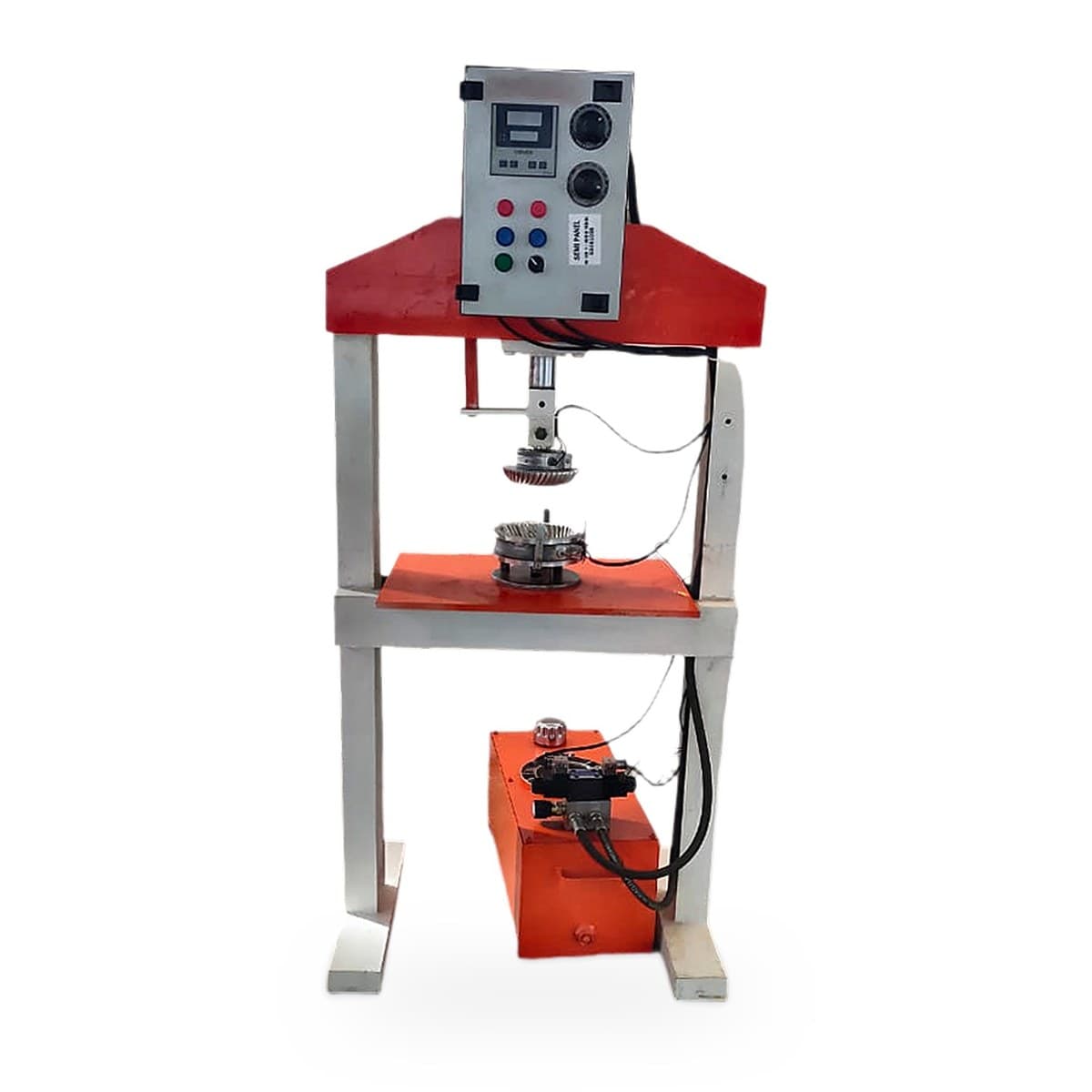
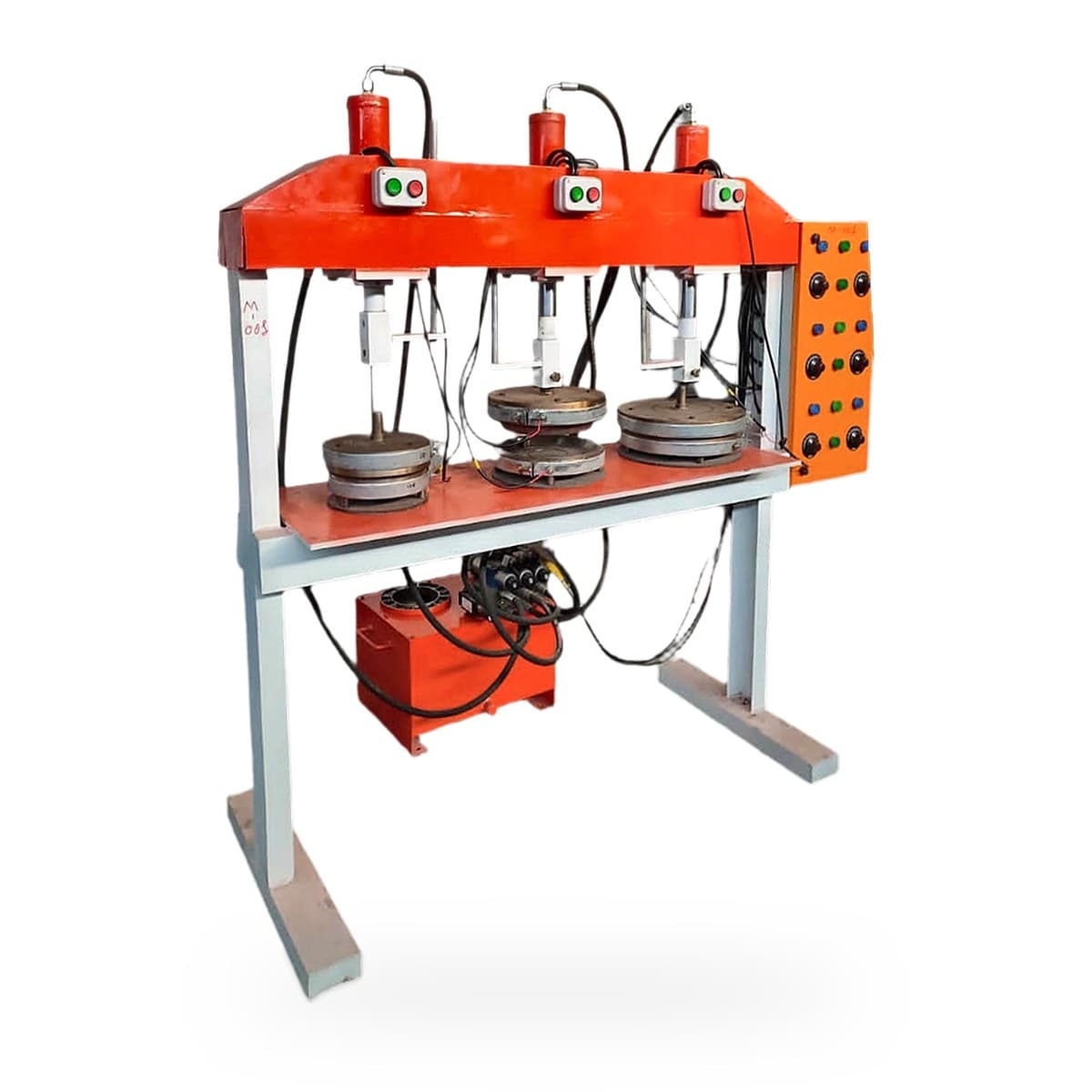
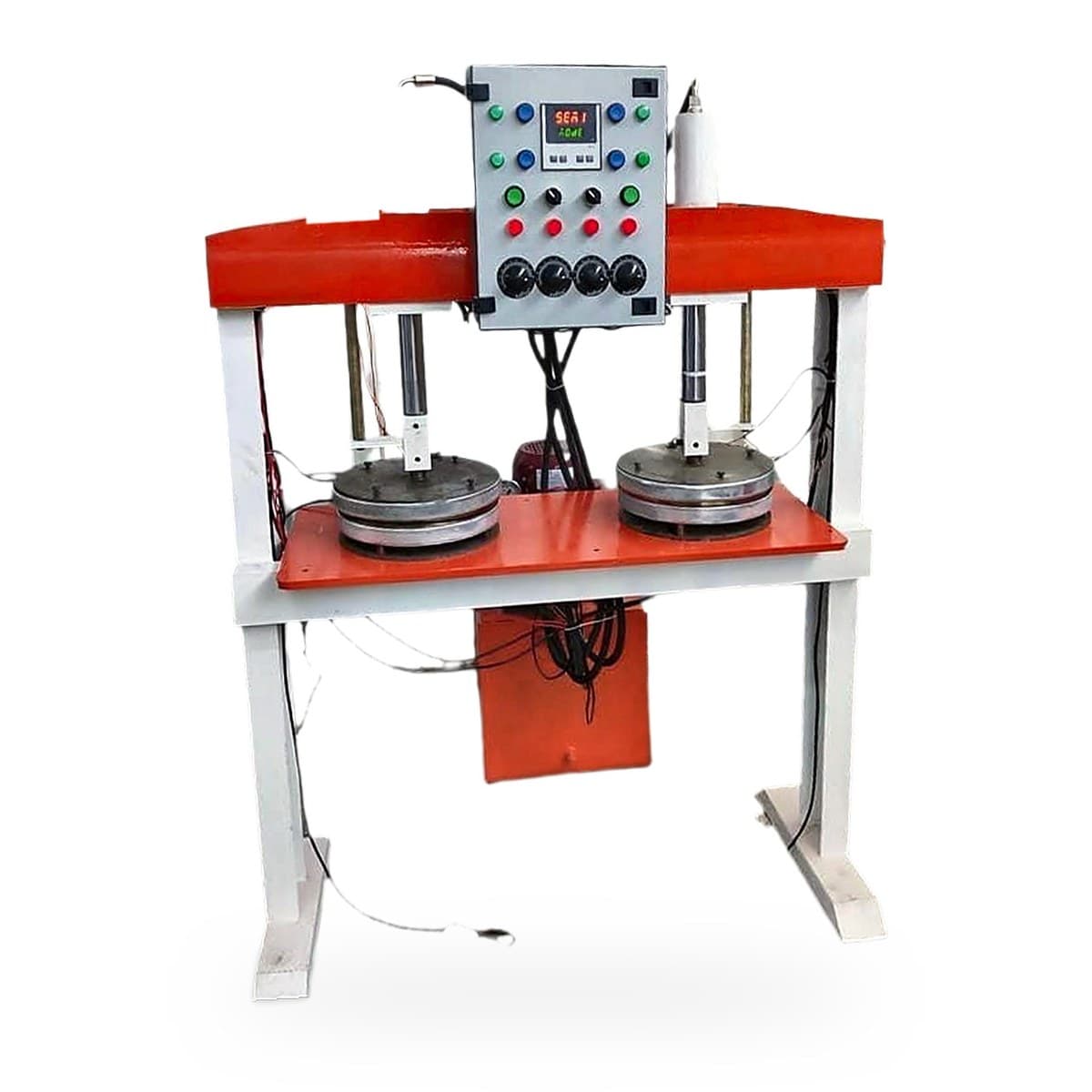
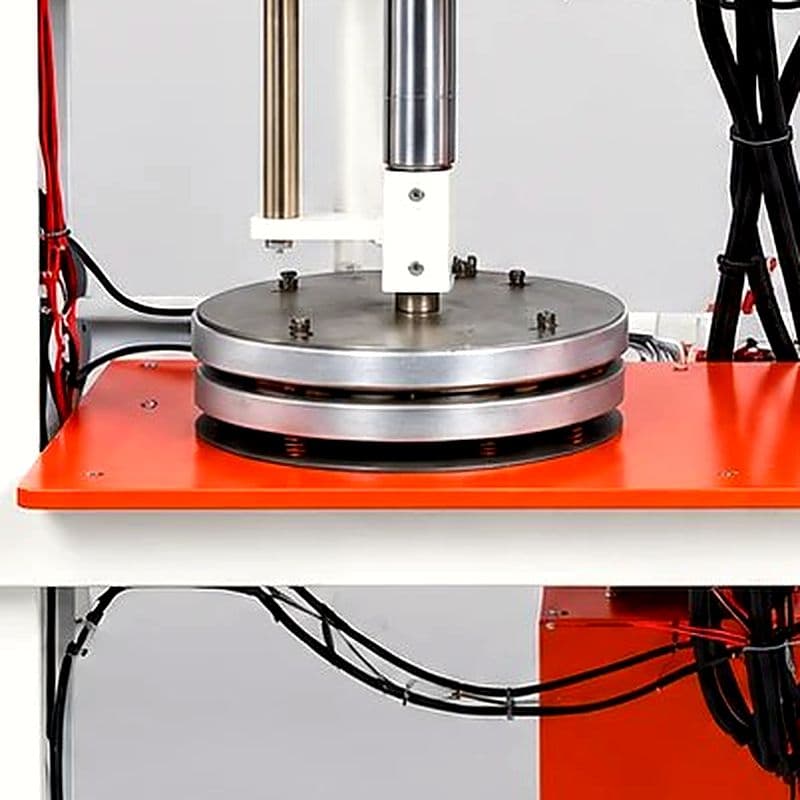
Picture a single die hydraulic press, then place a second one beside it on the same table. That is the double die machine. Each station has its own heated die and its own cylinder. One power pack under the table supplies oil to both, and one panel above controls both.
The frame is mild steel with a powder-coated finish. The catalogue lists paper plates and paper dona as the products, each made with a suitable die.
Why Two Dies on One Frame Makes Sense
The obvious gain is two pieces per cycle. The less obvious gain is what you do not need twice.
- One frame and one footprint instead of two machines.
- One power pack and one oil tank to maintain.
- One control panel and one power point.
- One operator standing in one place.
For a unit that already sells everything a single die machine makes, this is usually a better use of floor and labour than buying two separate single die presses.
Running Two Dies With One Operator
The trick with any two-station press is rhythm. While one die is pressing, the operator unloads and reloads the other. Done well, neither station waits.
- Load a blank on the left die and start its stroke.
- While the left die presses, take the finished piece off the right die and load a fresh blank.
- Start the right die, then move back to the left as it lifts.
- Drop finished pieces on a stacking table placed between the operator and the packer.
It takes a few days for a new operator to settle into the pattern. Keep blanks in a neat stack within arm’s reach on both sides, because reaching and turning is where time is lost.
Plan the layout around this rhythm. Leave enough space in front of the machine for the operator to step between the two dies without twisting. Place the blank stacks on small tables at the left and right ends, and the stacking table in the middle behind the operator. Keep the power pack side clear so oil level and hoses can be checked without moving anything. Good light over both dies helps the operator see a bad rim at once, before a full stack of rejects builds up. Keep hands clear of both dies whenever a cylinder is moving, even when you are working on the other station.
Digital Temperature Control for Each Die
The panel on this machine carries digital temperature controllers for both dies. A digital display shows the set value and the actual value, so the operator reads the die temperature instead of judging it from a knob position.
That matters on a two-die machine. Two heaters never behave exactly alike, and a die near a door or window can run cooler. With separate digital control, each die can be held where it presses best. Individual switches let one station be stopped for a die wipe or a check while the other is looked at.
Write down the settings that work for each die and paper type. When a new reel of paper arrives, start from those numbers and press a few test pieces on each die before you run.
Same Size on Both Dies, or Two Sizes?
With two stations there is a choice to make. Running the same size on both dies gives the most pieces of your best seller and the simplest packing. Running two sizes, such as a plate and a dona, lets one machine serve two products at once.
The second option needs blank stock in two diameters and careful stacking so sizes never mix. Talk to us about the die pair you want when you order, so we can confirm it suits the machine.
Double Die Hydraulic Against the Other Options
| Dies | Pressing | Rated output | |
|---|---|---|---|
| Single die hydraulic | One | Cylinder | On request |
| Double die hydraulic | Two | Two cylinders | On request |
| 3 die hydraulic | Three | Three cylinders | On request |
| Fully automatic double die | Two | Crank, continuous | 20,000 – 24,000 / day |
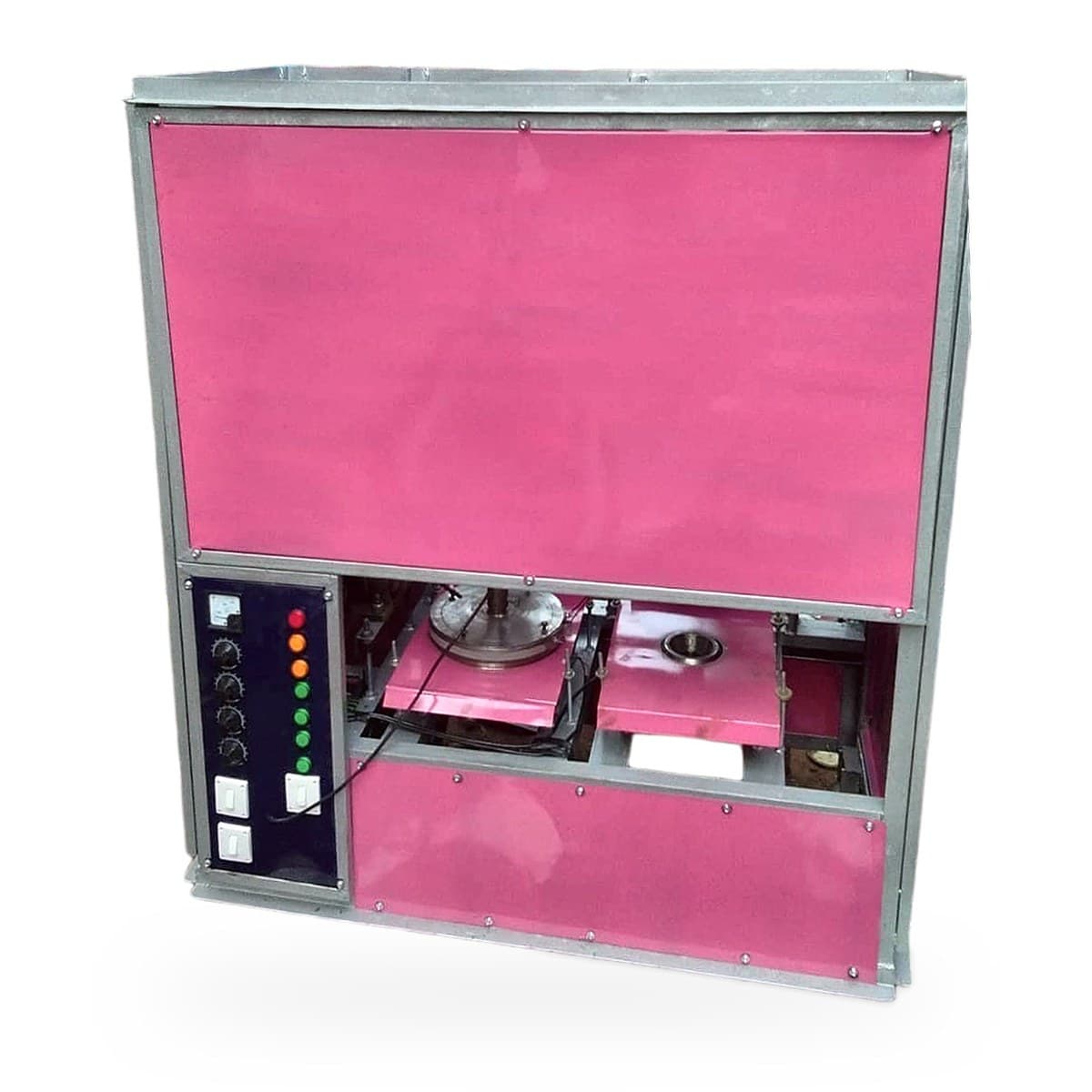
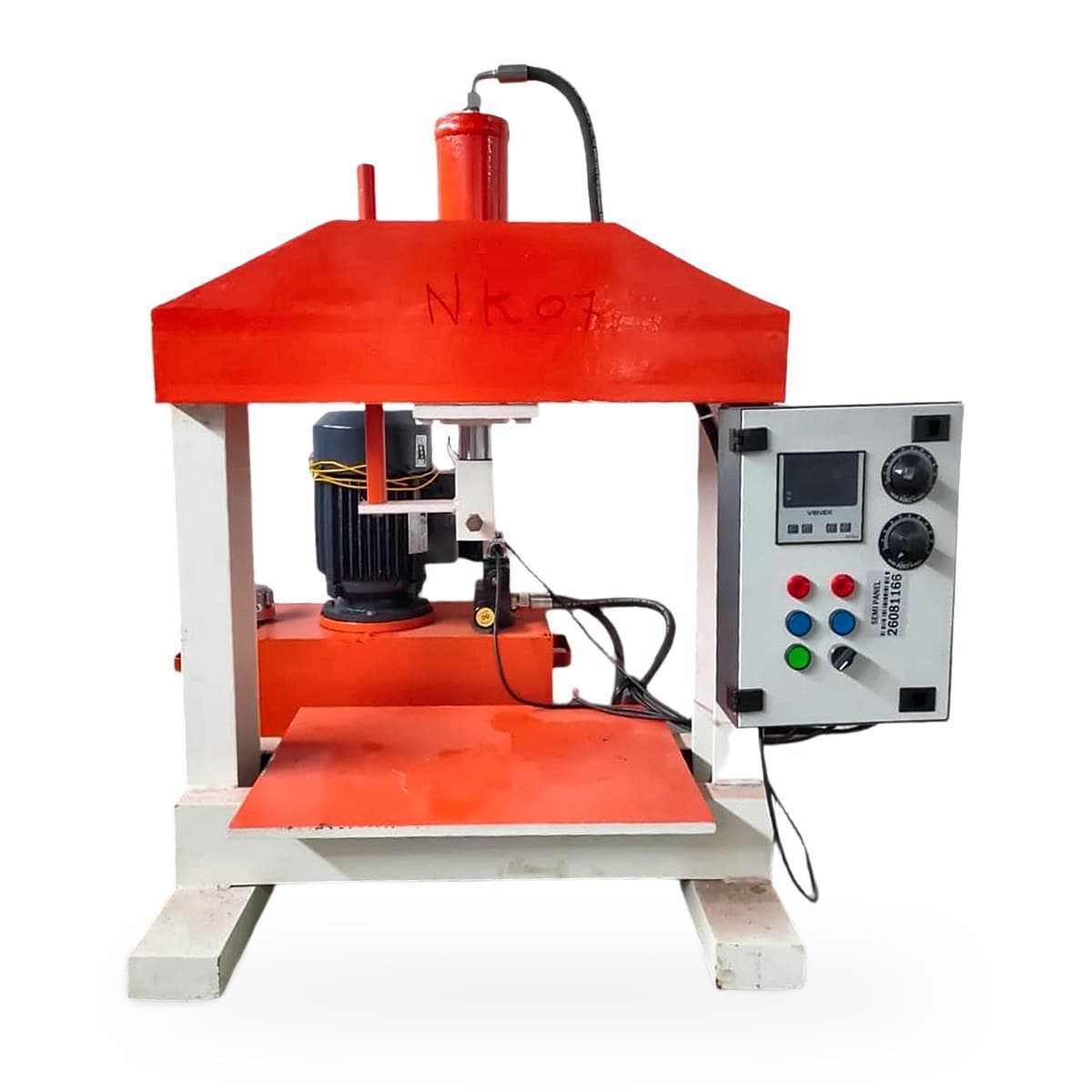
If you are just starting, a single die hydraulic paper plate machine costs less and is easier to learn on. The 3 die hydraulic machine adds a third station and also presses areca leaf plates. For the most pieces per operator on plain plates, the fully automatic double die machine runs on a continuous crank.
Some plate units also take orders for natural plates. If your buyers ask, we supply ready areca leaf plates in all sizes to sell alongside your paper range.
Maintenance for Two Cylinders
Two cylinders share one power pack, so the hydraulic routine is the same as a single die machine with a little more to check.
- Daily: wipe both dies while warm, clear paper bits from both stations, switch off at the panel at day’s end.
- Weekly: check oil level, look along both sets of hoses for wet patches, and confirm both cylinders move smoothly and at the same speed.
- Monthly: check heater leads and thermocouple wires on both dies, tighten panel terminals and have the earthing tested.
- As needed: change oil at the interval given with your machine, or sooner if it turns dark or milky.
If one cylinder moves slower than the other, check for a leak or a valve problem on that side before you keep running. Call us and describe what you see.
Short Mein Samjhiye (Hinglish Summary)
Double die hydraulic paper plate machine mein do die aur do hydraulic cylinder ek saath lage hote hain, isliye har cycle mein do plate ya do dona bante hain. Dono die ke liye alag digital temperature controller aur alag switch hain. Ek power pack dono cylinder chalata hai.
Ek operator dono die chala sakta hai, bas ek die press ho raha ho tab dusra khaali karke bhariye. Saath mein ek packer rakhiye. Production aur bijli ki detail sheet, price aur demo ke liye humein WhatsApp kijiye.