Skip to content

ManualManual Diya Making Machine

Manual Diya Making Machine

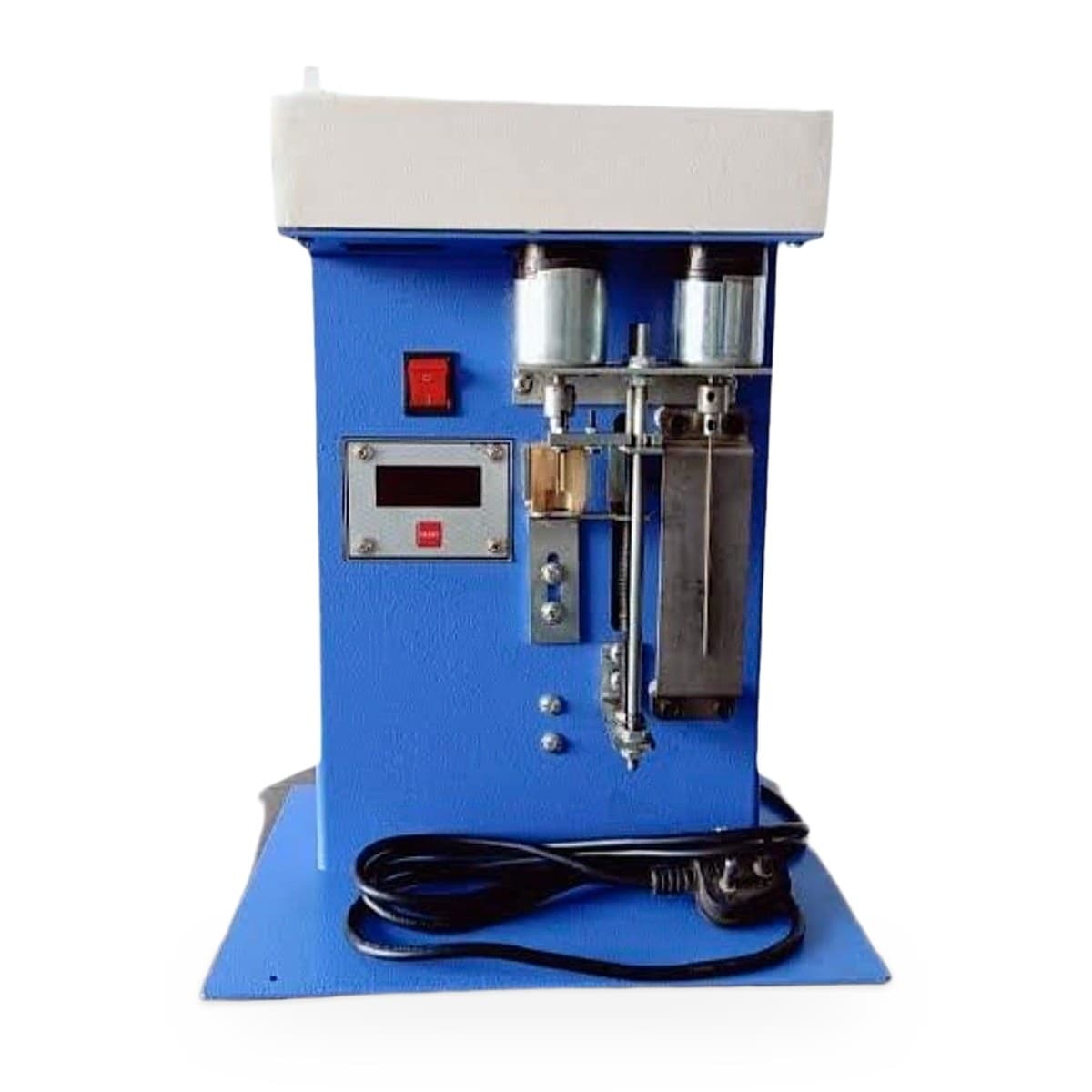
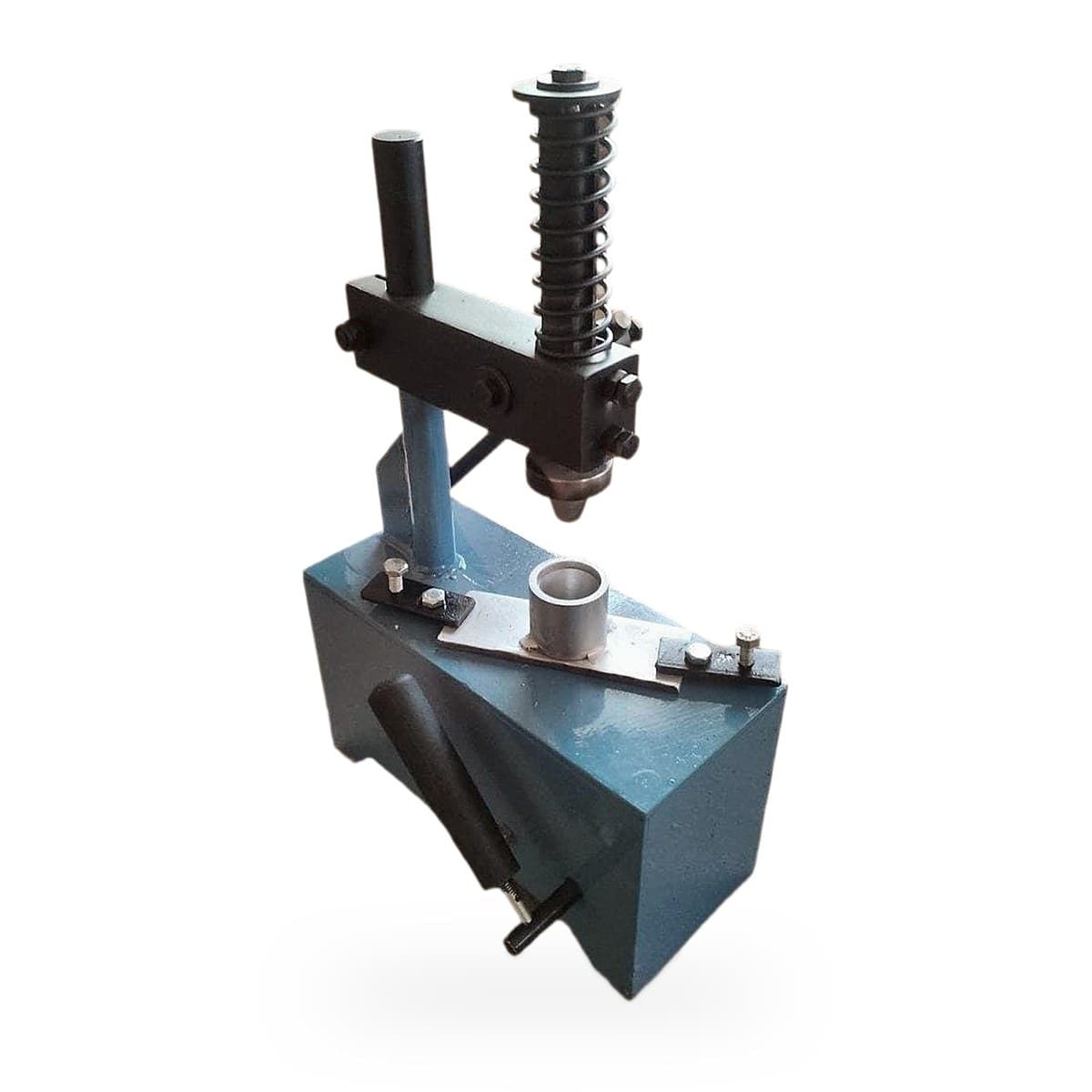
A hand-lever press with a spring-return head that forms diyas from cow dung (gobar) or clay mixture. Moulds are interchangeable, so one machine makes plain and patterned diyas, and it runs without electricity.

Manual diya making machine with blue box base, side hand lever, spring-loaded upper punch and lower mould cavitySpring head, punch and mould cavity1 / 4
Operation
Hand lever
Electricity
Not needed
Return
Spring loaded
Moulds
Many designs

Or call+91 85058 21738/+91 96257 59353

  • Demo video on request
  • Extra mould designs available
  • Simple, low upkeep
  • Support Mon – Sat

Part of our pooja items machines range · GST 18% extra

01Specifications

Technical Specifications

Available in 1 fully automatic models. Compare them below, then ask us for the one that fits your output and power supply.

Get Spec Sheet
Manual Diya Making Machine: specifications of both models
SpecificationManualHand lever
Operation modeManual hand lever
ReturnSpring return
PowerNo electricity needed
MouldsInterchangeable, multiple designs
MaterialsCow dung (gobar) and clay
Diya size—
Output per hour—
Weight—

Diya size, output and weight are available on request and are not guessed here. Output depends heavily on the mixture and the operator, so ask for the demo video. — = not on that model’s sheet yet.

Key Features

  • Hand lever press

    A side lever drives the punch down into the mould. It needs no motor and no wiring, so it works anywhere.

  • Spring return

    The spring lifts the head back after each press, so the operator’s hand only does the pressing stroke.

  • Interchangeable moulds

    Swap the punch and cavity to change design. Plain round and patterned diyas come from the same machine.

  • Gobar and clay

    Made for cow dung and clay diyas, the two materials most buyers ask for around Diwali.

  • Solid box base

    A heavy base keeps the press steady on the bench while you work fast in the festival season.

  • Neat finish

    A pressed diya has a clean rim and wick lip that hand-shaped diyas rarely match.

02Raw Material

What Diyas Are Made From

The two common routes are cow dung with a binder and filler, or potter’s clay. Each needs a different moisture, and getting that right matters more than speed on the lever.

Raw Material Price
  1. 1PrepareDung dried and powdered, or clay soaked
  2. 2MixBinder and filler added, water to a firm dough
  3. 3LoadA measured lump placed in the cavity
  4. 4This machineLever press forms the diya
  5. 5Dry & finishShade dried, then painted or packed
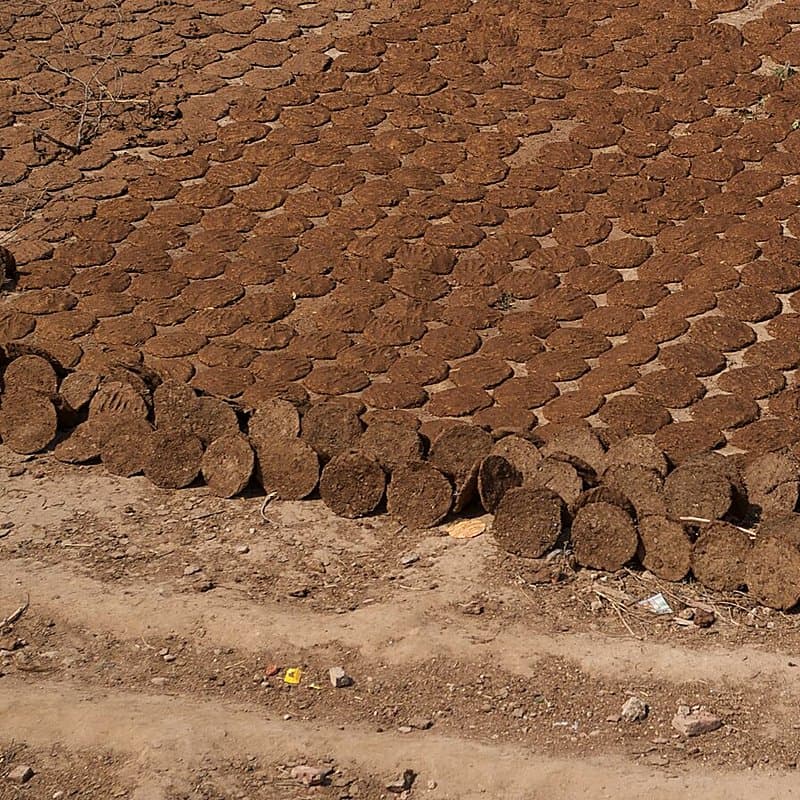
  • Cow dung patties drying in rowsCore

    Cow Dung

    Gobar, upla

    Dried and powdered gobar is the base of eco-friendly diyas. It is mixed back into a dough with water and a binder before pressing.

    Check when buying

    • Dried and sieved
    • No straw lumps or stones
    • Stored dry until use
    Get price of cow dung
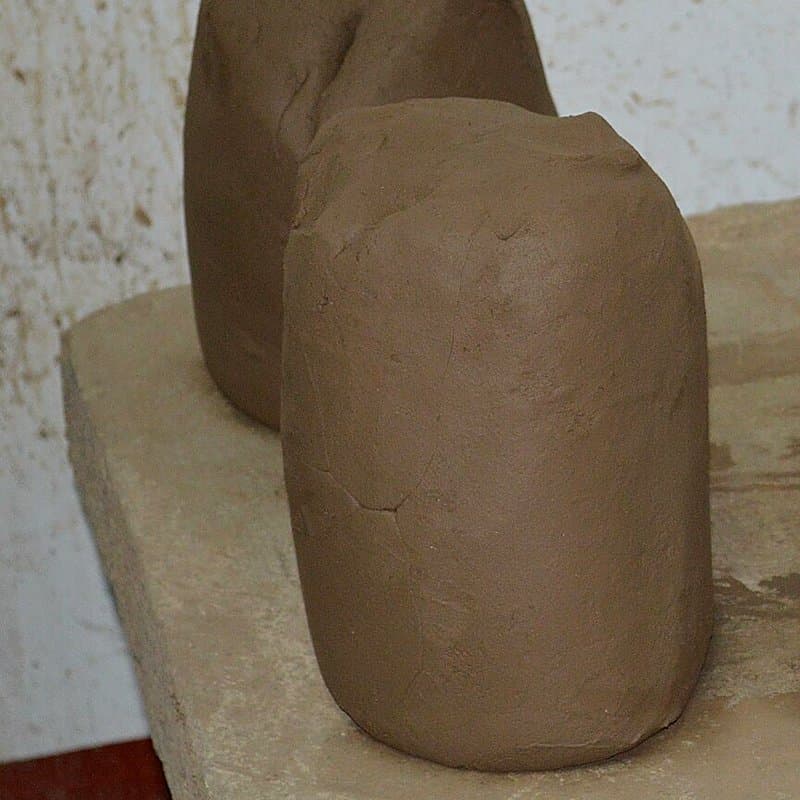
  • Blocks of wedged potter’s clay ready to useCore

    Potter’s Clay

    Mitti, chikni mitti

    For traditional clay diyas. It must be soaked, cleaned and kneaded so it presses without air pockets.

    Check when buying

    • Free of grit and roots
    • Kneaded until smooth
    • Firm, not sticky
    Get price of potter’s clay
  • Jigat binder powderCore

    Binder

    Jigat, guar gum

    Holds a gobar diya together so it leaves the mould and survives drying and handling.

    Check when buying

    • Mixed evenly
    • Enough to hold, not more
    Get price of binder
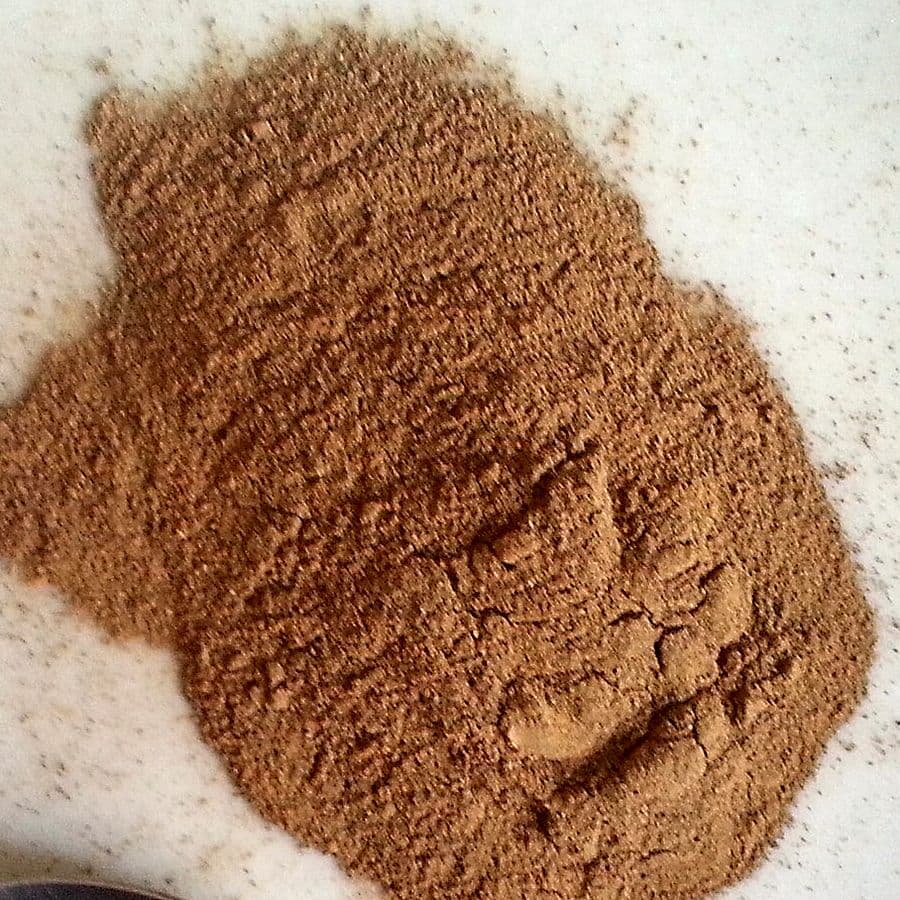
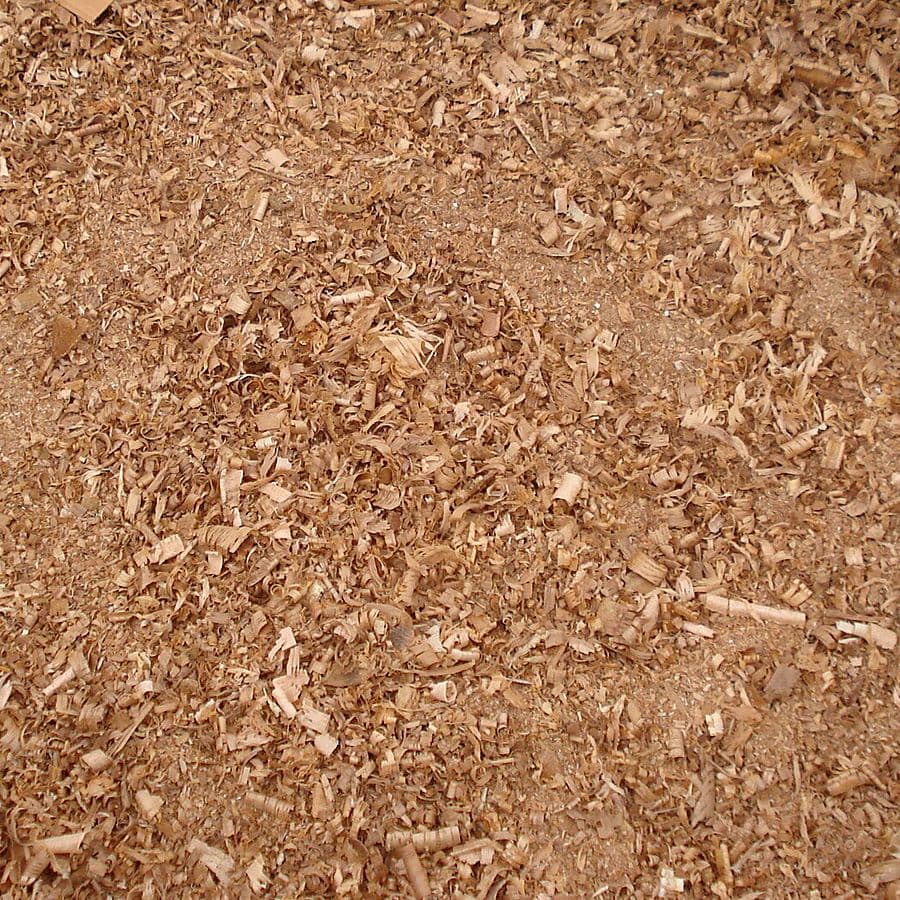
  • Wood powder fillerFinishing

    Wood Powder

    Burada

    Some makers add a little as filler to lighten the dough and help drying.

    Check when buying

    • Fine and dry
    • Small measured share
    Get price of wood powder
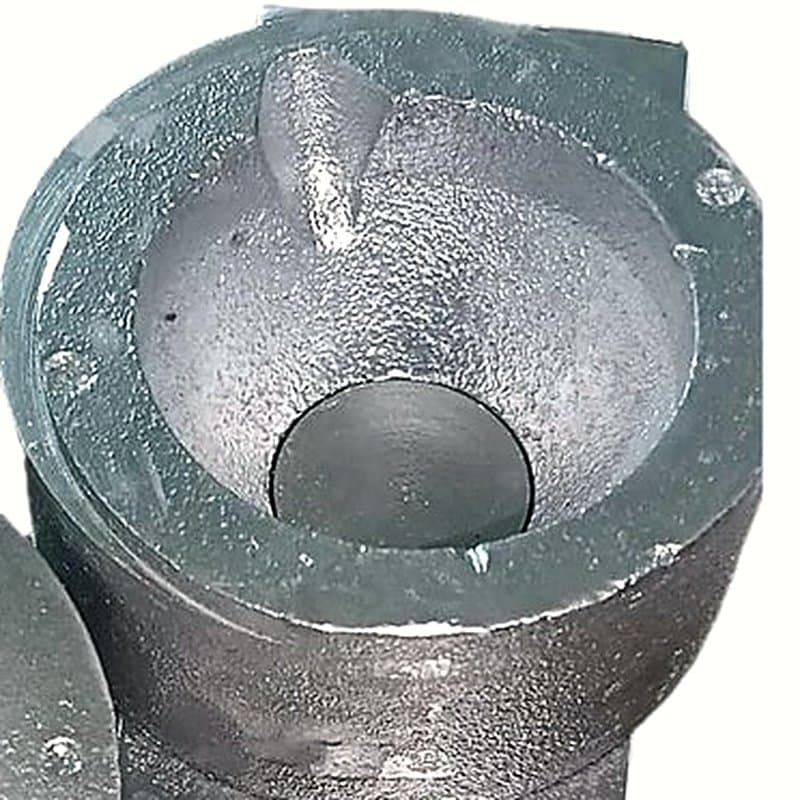
  • Cast metal lower cavity of a diya mould with wick lipFinishing

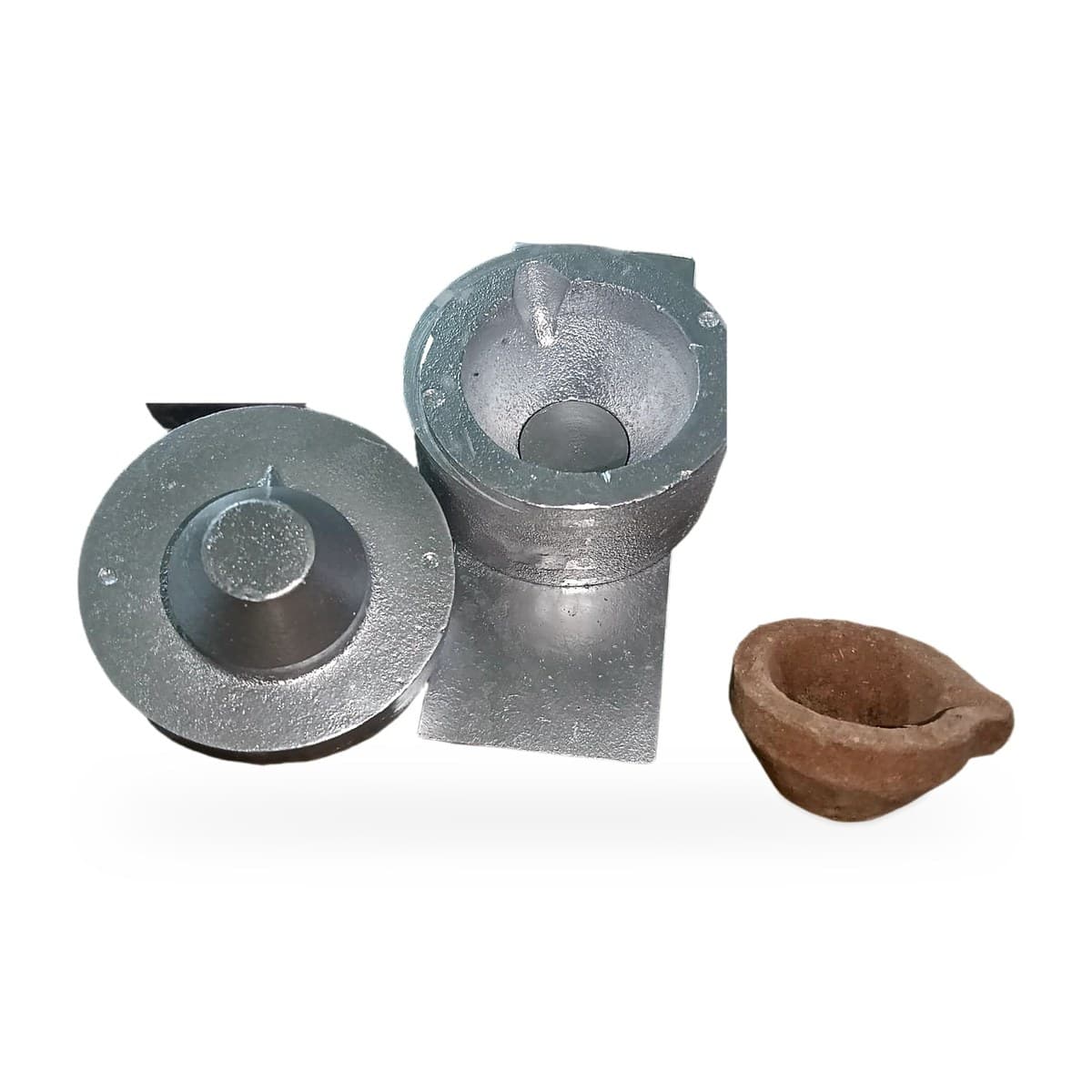
    Diya Moulds

    Upper punch and lower cavity

    The mould sets the shape and pattern. Keeping a few designs lets you sell to more buyers.

    Check when buying

    • Clean after every session
    • Lightly oiled to release
    • Punch and cavity kept as a pair
    Get price of diya moulds

Material photos (illustrative): Dung patties by Andrew Turner, CC BY 2.0 · Potter’s clay by AlejandroLinaresGarcia, CC BY-SA 4.0.

One supplier · one quote

Get the machine and your first raw material lot together

Sticks, masala and fragrance that suit this machine, in the same quotation, so production can start as soon as it is installed.

Get Combined Quote

03Complete Guide

Manual Diya Making Machine: The Complete Guide

Gobar or clay, preparing the dough, planning stock for Diwali, and fixing the problems that slow a hand-lever diya press.

By the Shivaa Traders team Updated 5 min read

What Is a Manual Diya Making Machine?

Hand-made diyas take skill and time, and no two come out the same. A diya press does the shaping for you. The operator only has to prepare the dough, load the mould and pull the lever. The result is a diya with even walls and a neat spout, made at a pace a hand potter cannot match.

The machine on this page has a heavy box base, a side lever, a spring-loaded head carrying the upper punch, and a lower cavity fixed on the base. Since it has no motor, it works in a village shed, a gaushala or a home with no extra wiring.

How It Works

  1. Fit the mould you want: punch on the head, cavity on the base.
  2. Place a measured lump of dough in the cavity. The same size lump every time gives the same weight diya.
  3. Press the lever. The punch forms the bowl while the cavity forms the outside and wick lip.
  4. Let go. The spring lifts the head. Lift the diya out and set it on a tray.

Output depends on the operator and the dough, so we do not quote a figure. Ask us for a demo video and you will see the rhythm.

Cow Dung or Clay: Which Diya to Make

Cow dung and clay diyas compared
Gobar diyaClay diya
Base materialDried, powdered cow dung with binderCleaned, kneaded potter’s clay
Selling pointEco-friendly, gaushala madeTraditional, reusable
FinishingShade dried, often paintedDried and usually fired
Who makes itGaushalas, self-help groupsPotters and pottery units

Many units make both. Gobar diyas have grown as a festival product because buyers like that they come from gaushalas and break down naturally. Clay diyas remain the default in many homes and are needed for longer use.

The machine itself treats both materials the same way, so the choice is really about your raw material and your market. A gaushala already has dung and usually prefers gobar diyas. A potter already has clay, a kiln and a buyer network for clay goods. If you have neither, look at what is cheaper and easier to get reliably in your area, and which product local shops already ask for. Switching between the two only needs the mould cleaned thoroughly, since clay residue spoils a gobar diya and the other way round.

Preparing the Dough

For gobar diyas, dry the cow dung fully, grind it and sieve it. A 3 HP pulverizer for grinding dried gobar gives an even powder. Mix in a binder such as jigat and sometimes a little wood powder, then add water slowly until the dough is firm and does not stick to your hands.

For clay, soak it, remove stones and roots, and knead until smooth with no air pockets. Air trapped in clay leads to cracks later. In both cases, dough that is too wet sticks in the mould and slumps, and dough that is too dry cracks at the rim.

Planning Around Diwali

Diyas sell mostly in the weeks before Diwali, with smaller demand for other festivals, weddings and pooja through the year. A unit that starts making stock only in October usually runs short. Plan backwards from the festival:

  • Get the machine and moulds early and practise until the dough recipe is settled.
  • Build stock steadily, allowing proper drying time for every batch.
  • Book orders with shops and resellers before the rush, so you know how much to make.
  • Keep a few designs. Extra diya making moulds in plain and patterned designs let you offer choice from one machine.

Drying, Finishing and Packing

Dry diyas in shade with airflow, on trays, turning them so the base dries. Fast drying in strong sun cracks them. Gobar diyas are often painted or given a coloured rim, and patterned designs look best with a light touch of colour on the raised pattern.

Pack in boxes or pouches of a fixed count with your name and the material clearly stated. Gift packs that combine diyas, wicks and samrani cups from a manual press sell well before festivals.

Common Problems and Fixes

  • Diya sticks in the mould: dough too wet, or the mould needs a thin wipe of oil.
  • Rim cracks while pressing: dough too dry, or not enough binder.
  • Cracks while drying: drying too fast, or air in clay dough.
  • Pattern not sharp: powder too coarse, or residue built up in the cavity.
  • Uneven weights: lumps not measured. Use a scoop or weigh each piece.

Clean the moulds after every session, keep the lever pivot oiled, and store the moulds dry.

Who Buys a Diya Machine

The buyers we hear from most often fall into a few groups. Gaushalas want a use for their dung that earns money and fits their story of cow care. Women’s self-help groups and village units want a product they can make at home with no electricity and sell locally and online. Potters want to speed up clay diya work during the busiest weeks of the year. Pooja shops and gift sellers want their own diyas to sell alongside bought stock.

All of them share a few needs. The machine has to be simple enough for a new worker to learn in a day, it has to keep working through long festival shifts, and it has to make more than one design so the seller can offer choice. A hand-lever press with interchangeable moulds meets all three. Because it needs no power connection, it can also be moved to wherever the raw material and the workers are, which suits seasonal and home-based units.

If you are unsure whether gobar or clay diyas will sell better in your area, start with a plain mould, make a small batch of each, and ask local shops which they prefer before you build stock.

Short Mein Samjhiye (Hinglish Summary)

Manual diya machine haath ke lever se chalti hai, bijli ki zaroorat nahi. Spring head ko wapas upar le aata hai. Mould badal kar saade aur design wale dono tarah ke diye ek hi machine se bana sakte hain, gobar ke bhi aur mitti ke bhi.

Gobar ko sukha kar peesiye, jigat milaiye aur aata jaisa sakht goondhiye. Diye chhaon mein sukhaiye. Diwali se kaafi pehle stock banana shuru kijiye aur wicks ke saath set mein bechiye. Price aur demo ke liye WhatsApp kijiye.
Have a question this guide didn’t answer?Our team replies on WhatsApp and call, Mon – Sat, 10:00 AM – 7:00 PM.

Ask on WhatsApp

FAQs

Frequently Asked Questions

What buyers ask us most about the manual diya making machine.

Ask your own question on WhatsApp

What is the price of the manual diya making machine?

Message or call us for the current price. Extra moulds are priced separately. GST at 18% is extra.

Does it need electricity?

No. It is a hand-lever press with a spring return.

Can it make both cow dung and clay diyas?

Yes. The catalogue lists both. The mixture and its moisture are different for each, as explained above.

How many diyas can I make in a day?

Output is not on the catalogue sheet because it depends on the operator and the mixture. Ask for the demo video to judge the speed.

Can I make different designs?

Yes. Moulds are interchangeable and come in plain and patterned designs.

Why does my diya stick in the mould?

Usually the dough is too wet or the mould is dry. Firm up the mixture and wipe the mould with a little oil.

Why do my gobar diyas crack while drying?

Drying too fast in strong sun or too little binder. Dry in shade with airflow and check your binder share.

When should I start production for Diwali?

Early enough to build stock and dry it fully. Many units start months ahead because drying takes time.

Are diyas the only product?

The same unit often adds samrani cups and cow dung logs, which use the same base material.

Do you sell moulds separately?

Yes. See the diya making moulds page for the designs.

Best price

Get the price of the Manual Diya Making Machine

Tell us your model, power supply and stick size. We reply with the price, spec sheet and demo video, and a raw material quote if you need one.

Get Best Price on WhatsApp

Send an enquiry

The machine is already selected. Add your details and press send.

Opens WhatsApp with your details filled in.