What Is a Cow Dung Log Making Machine?
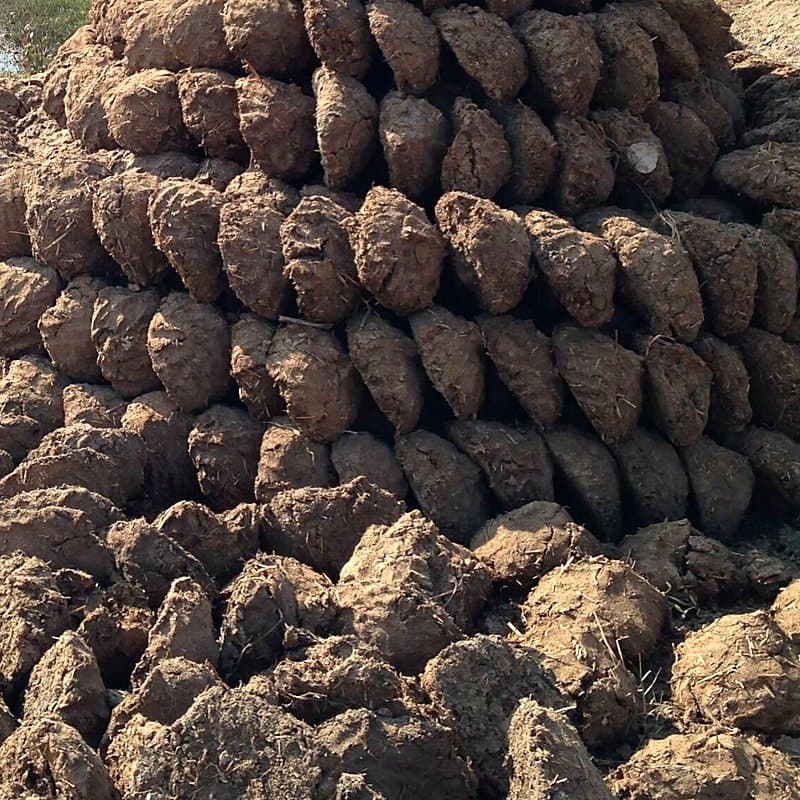
Every gaushala produces more dung than it can use as manure or cakes. Turning it into logs gives that dung a use and a buyer. Traditional upla (dung cakes) are shaped by hand and stuck on walls to dry. Logs are denser, stack neatly and burn longer, which makes them a better substitute for firewood.
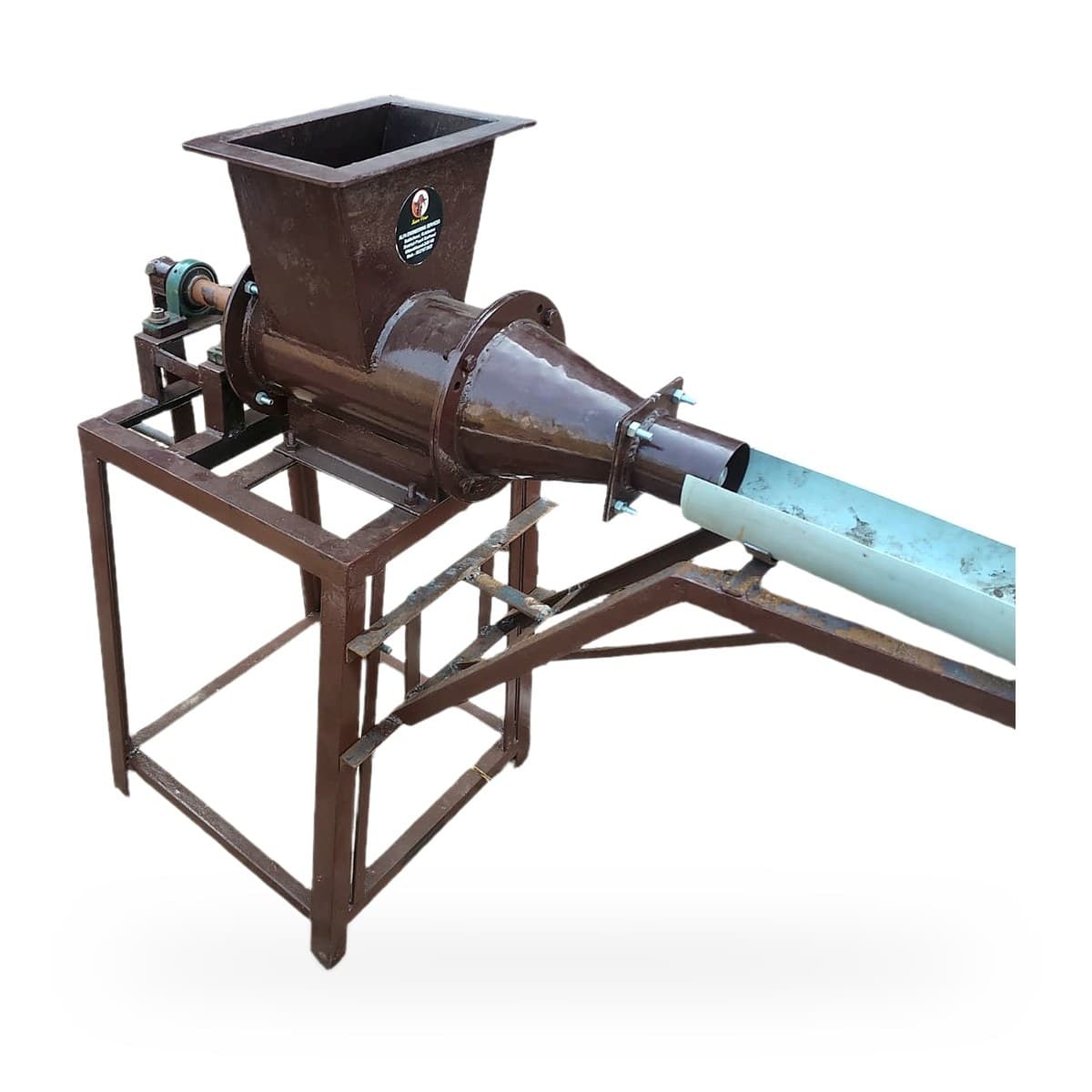
The machine on this page is a horizontal screw extruder. A square hopper sits on top of a barrel. Inside, a screw carries the dung forward and squeezes it through a tapered nozzle. A support channel catches the log as it comes out. Drive arrangement, log diameter and output are available on request, and we do not guess them here.
How Screw Extrusion Works
- Feed prepared dung into the hopper by shovel, at a steady pace.
- Compress. The screw carries it along the barrel, pressing out air and packing it tight.
- Extrude. The packed dung is pushed through the nozzle as a round log.
- Support and cut. The log slides along the channel and is cut to the length you sell.
Feeding steadily is important. A hopper that runs empty gives gaps in the log, and overfilling makes the screw labour. Ask us for a demo video to see the right pace.
Moisture: The One Thing to Get Right
Almost every problem with gau kasth comes back to moisture. The dung has to flow through the screw but still hold its round shape when it leaves the nozzle.
| Dung condition | What happens | Fix |
|---|---|---|
| Too wet, watery | Log slumps, flattens or breaks | Let it drain, or mix in straw or husk |
| About right | Firm round log that holds shape | Keep this consistency |
| Too dry | Crumbles, screw works hard | Use fresher dung or a little water |
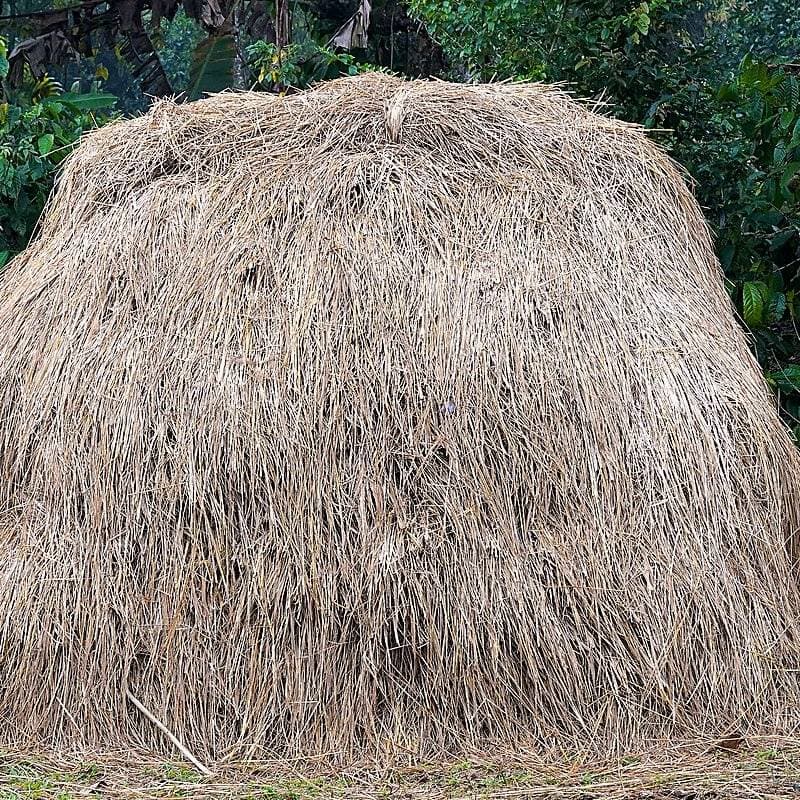
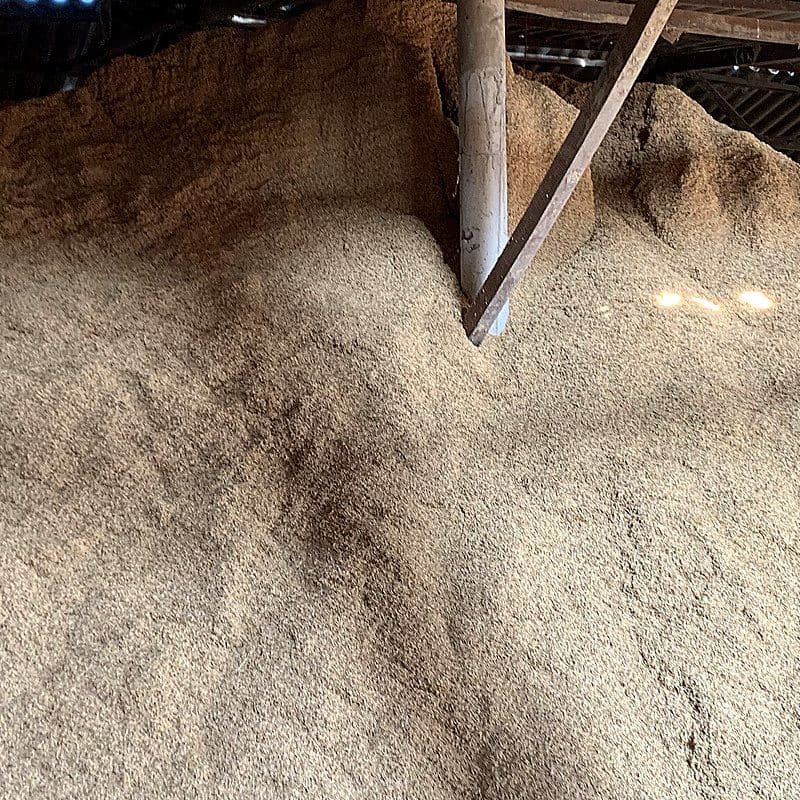
Chopped paddy or wheat straw adds fibre, which helps the log bind and dry. Rice husk soaks up extra water from very wet dung. Many gaushalas use whatever they already have. Always remove stones, rope and plastic, since they jam the screw and spoil the log.
Cutting, Drying and Stacking
Cut logs to a length that suits your buyers, then lay them out to dry with space between them. Sun and moving air dry them fastest. Turn them so all sides dry evenly. Drying time depends on weather and thickness, so it is shorter in summer and much longer in the monsoon.
Plan covered drying space before the rains. Once dry, stack logs off the ground in a dry shed. Damp logs smoke heavily and can go mouldy.
Where Gau Kasth Is Used
- Havan and pooja, where cow dung is traditionally preferred.
- Cremation, where some crematoriums and families use gau kasth in place of wood.
- Fuel for cooking, heating or bonfires in place of firewood.
Buyers and rules differ by area. If you plan to supply a crematorium, a municipal body or a fuel buyer, speak to them about what they need and check any local requirements before you scale up.
Running It in a Gaushala
A gaushala already has the raw material, the space and often the labour. The log machine fits into the daily routine: dung collected in the morning is fed in the same day, and logs move to the drying yard.
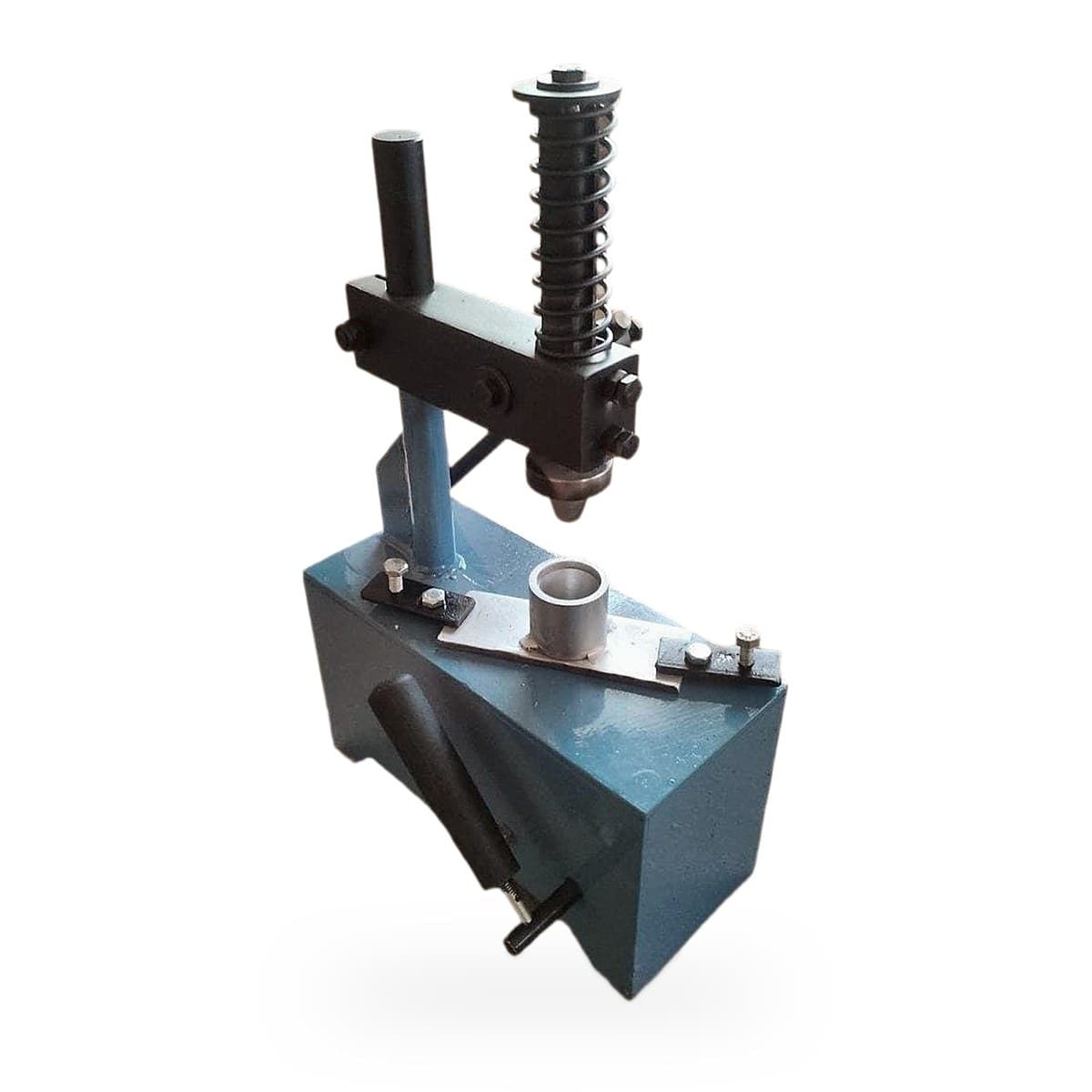
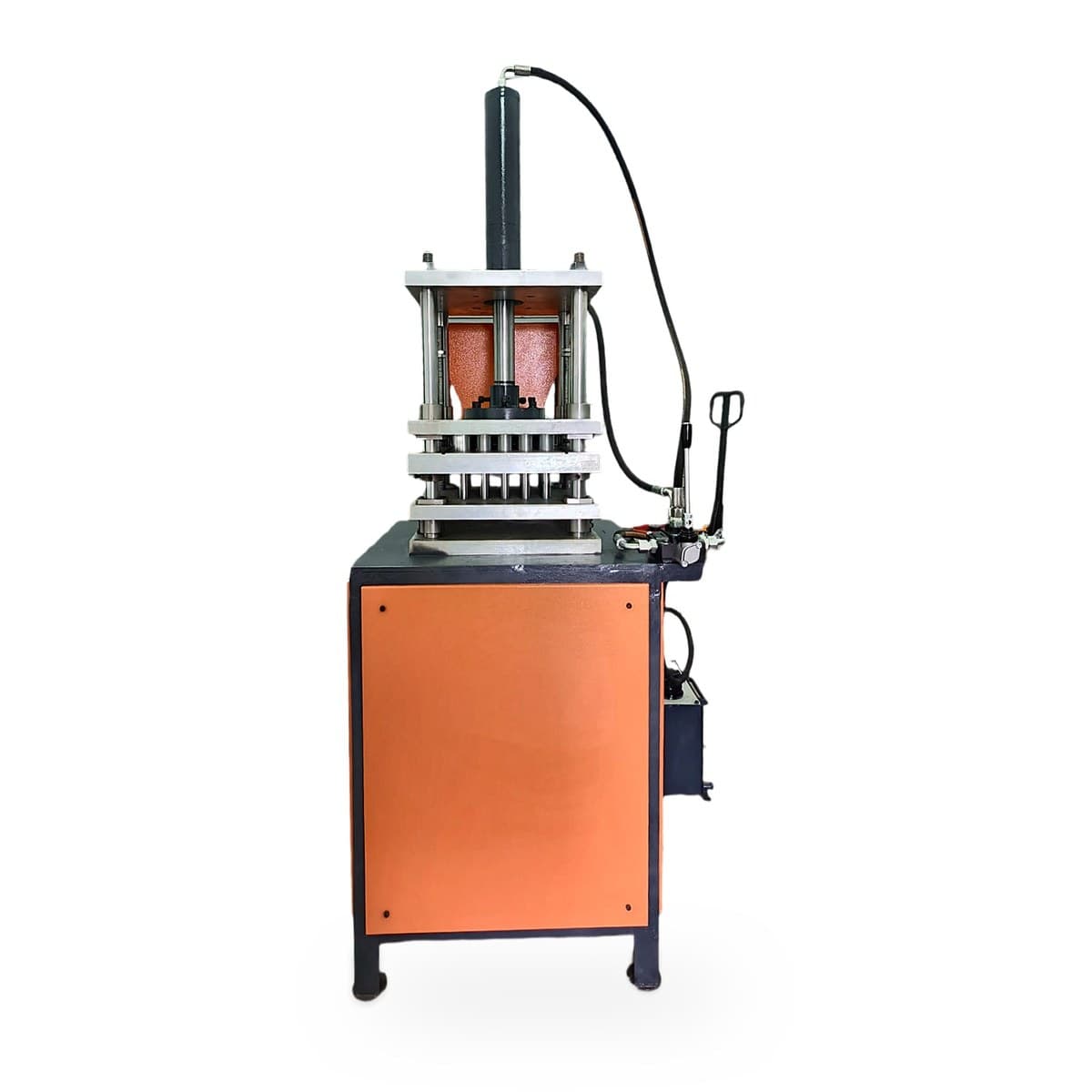
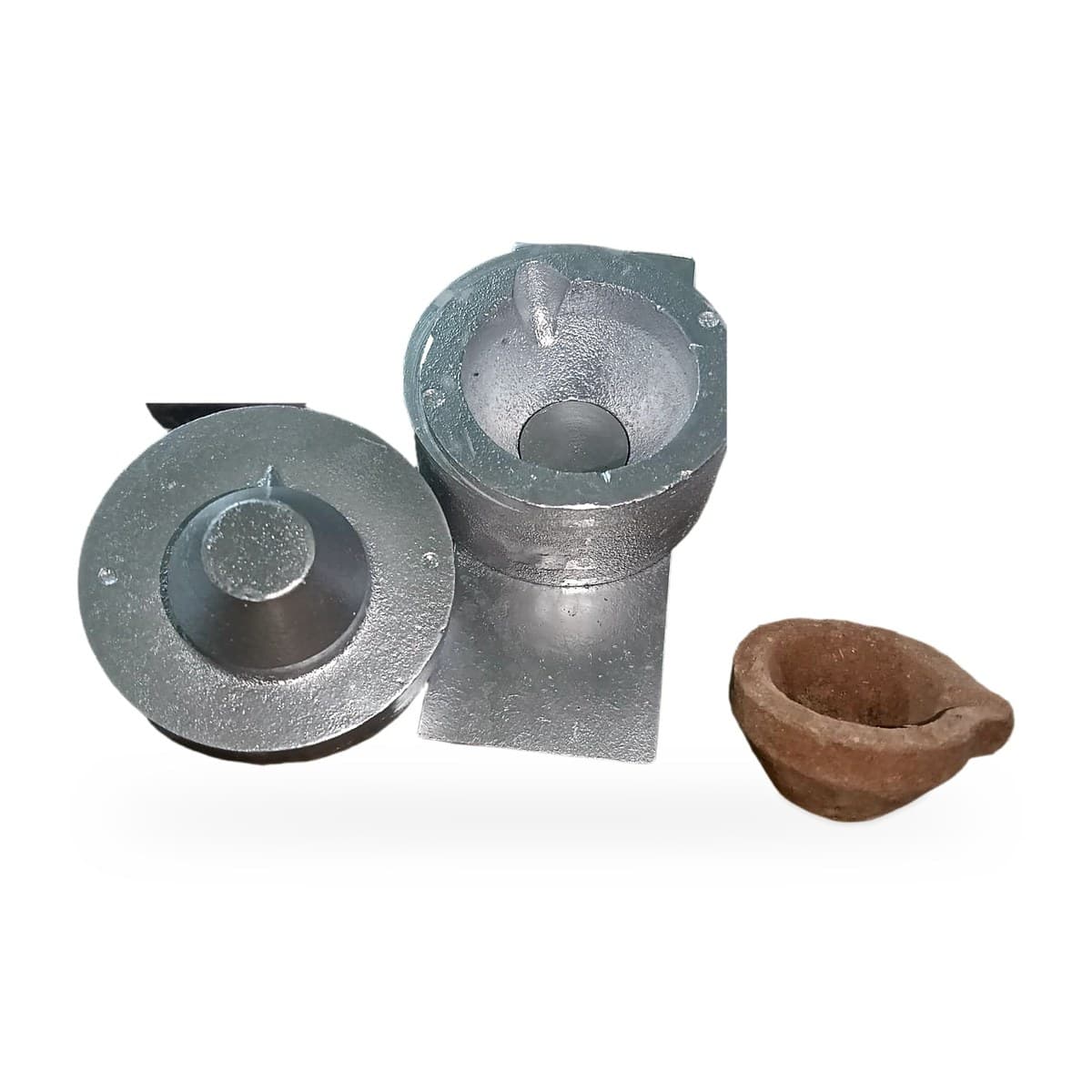
The same dung supports other pooja products. Dried and powdered, it becomes the base for samrani cups made on a manual press, the 25-cup hydraulic samrani machine and gobar diyas on a hand-lever diya machine. Grinding dried dung for these products is a job for a cyclone type pulverizer or a smaller masala pulverizer. Running logs alongside these products spreads the gaushala’s income across the year instead of relying on one festival.
Care and Common Problems
- At the end of the day, run the machine until the barrel is nearly empty, then wash out the hopper, barrel and nozzle.
- Keep the bearings greased and check bolts on the stand for looseness.
- Paint over scratches on the frame so it does not rust in a wet yard.
- Screw jams: a stone or rope is inside. Stop, clear it, and screen your dung better.
- Log has gaps: feeding is irregular. Keep the hopper steadily filled.
- Log cracks while drying: too little fibre or drying too fast. Add straw.
Setting Up the Log Yard
Where you put the machine matters as much as the machine. Place it close to where dung is collected, so it does not have to be carried far. A level, hard floor that can be washed down keeps the area clean and stops the stand from rocking.
Leave a clear run in front of the nozzle for the log support channel and for cutting. Next to it, set aside the largest open area you can for drying, with good sun and airflow, and a separate covered shed for dry logs. Drainage is important: water pooling around the yard keeps logs damp and slows everything down.
- Keep a screening spot where dung is checked for stones, rope and plastic before feeding.
- Store straw or husk under cover so it stays dry and ready to mix.
- Plan a water point for washing the machine at the end of each day.
- Ask us to confirm the drive arrangement so you know what power, if any, the spot needs.
A tidy yard also helps when buyers visit. Neat stacks of dry, even logs sell themselves far better than a heap.
Short Mein Samjhiye (Hinglish Summary)
Cow dung log machine gobar ko hopper mein daalne par screw se dabaakar lambi lakdi ke roop mein bahar nikaalti hai. Isko gau kasth ya gobar lakdi kehte hain. Lakdi ko kaat kar dhoop mein sukhaiye aur havan, antim sanskar aur jalane mein lakdi ki jagah use kijiye.
Sabse zaroori hai nami. Gobar zyada geela ho to lakdi gir jaati hai, zyada sookha ho to toot jaati hai. Bhusa ya parali milaane se lakdi majboot banti hai. Patthar aur rassi nikaal dijiye. Gaushala ke liye yeh aamdani ka achha zariya hai. Price aur demo video ke liye WhatsApp kijiye.