

What Is a Round Cotton Wick Machine?
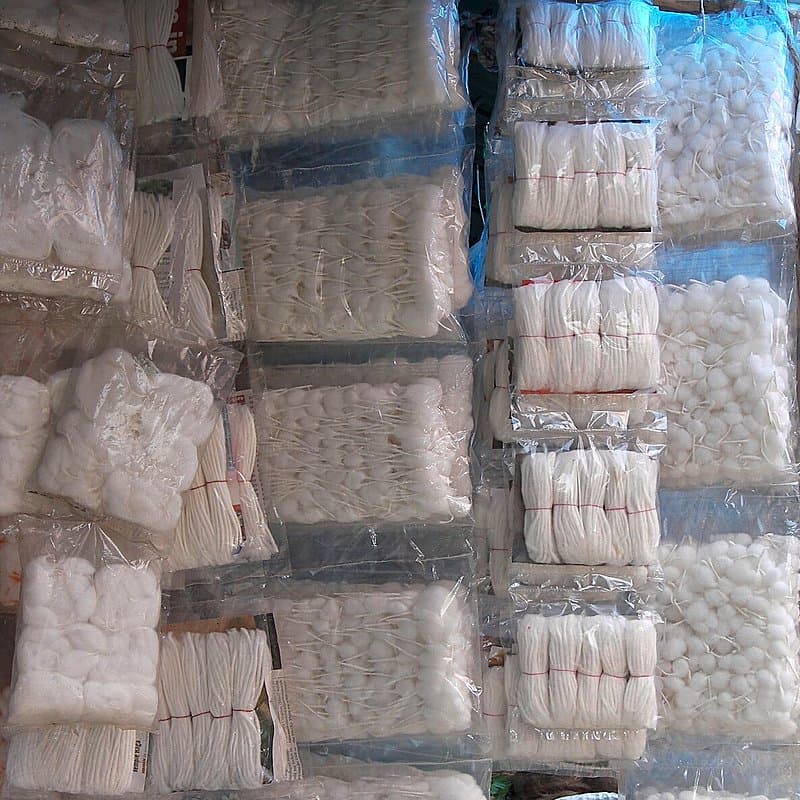
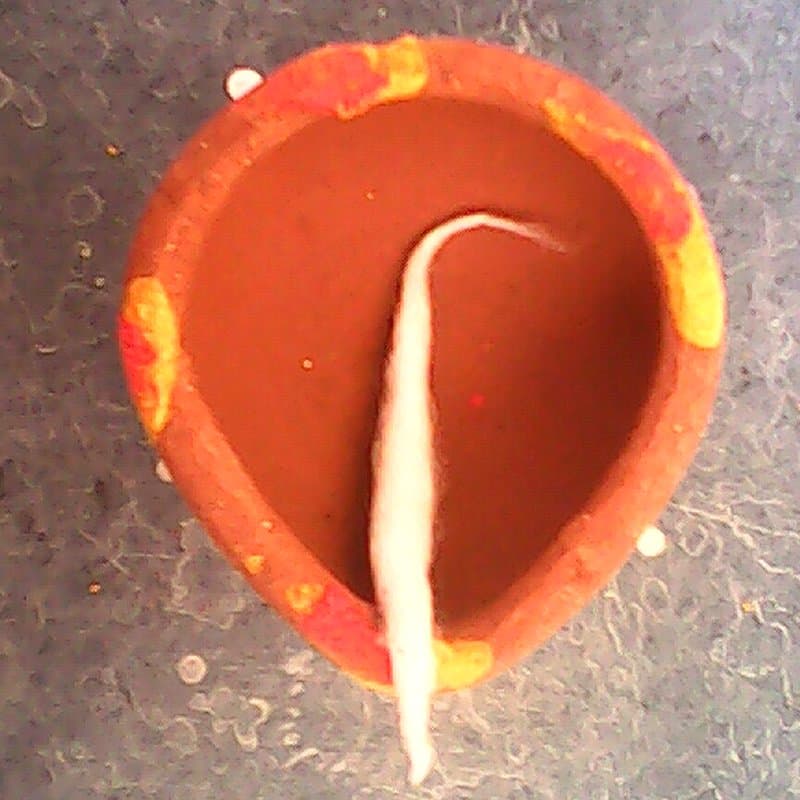
Round wicks are the small cotton wicks with a flat base and a pointed tip that sit upright in a clay or brass diya. Every household that does daily pooja uses them, temples go through them by the thousand, and demand jumps every festival season. Rolling them by hand between the palms is slow and the wicks come out uneven.
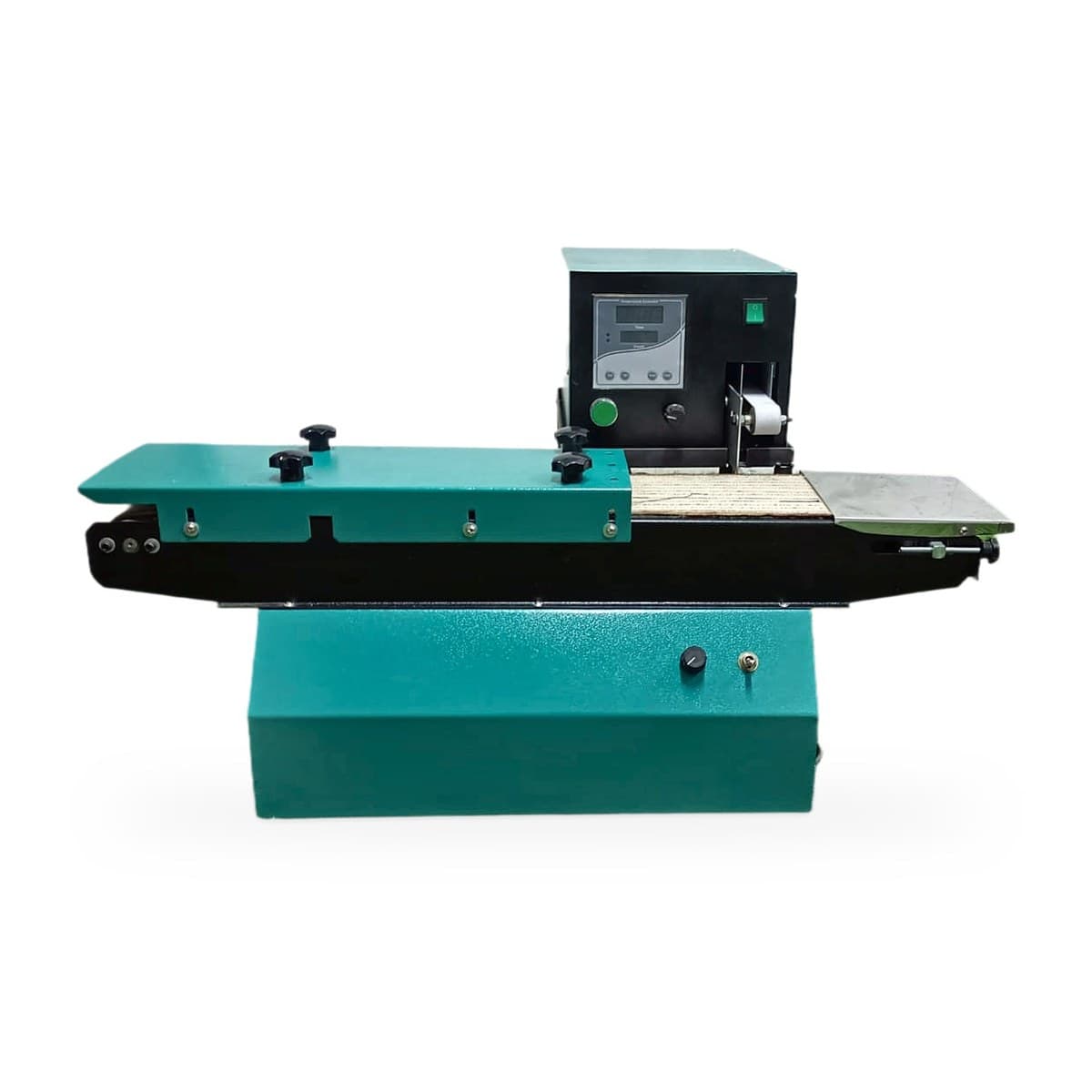
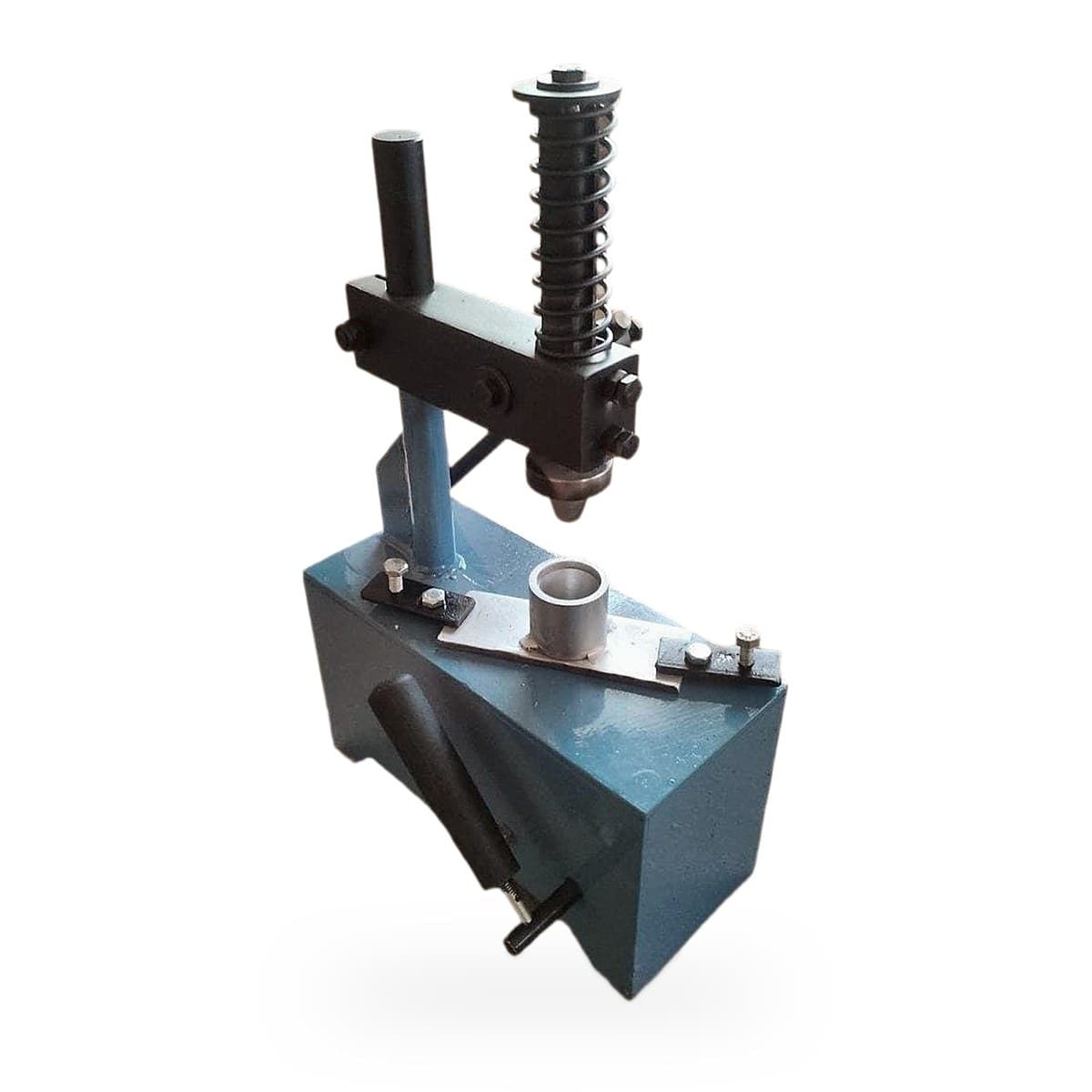
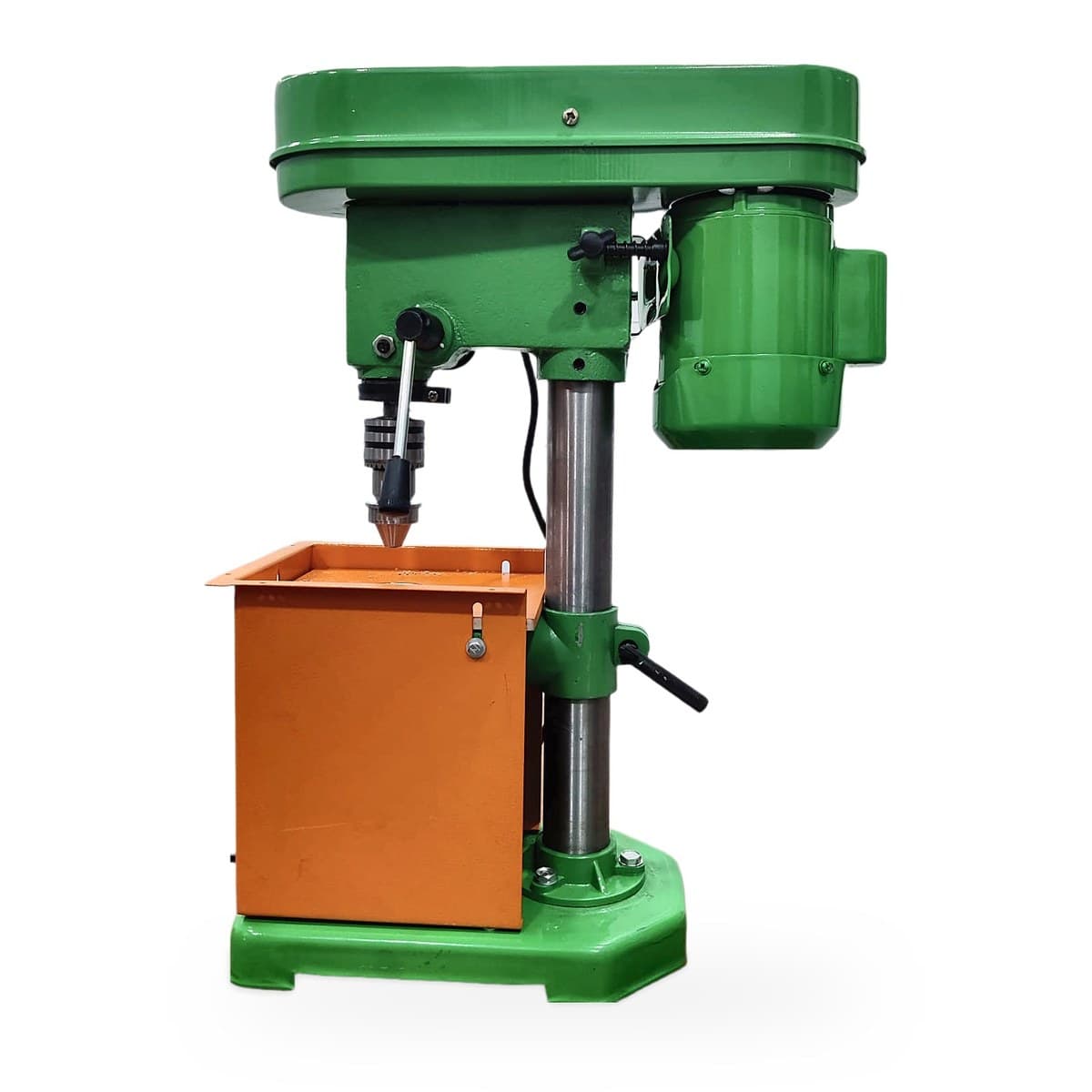
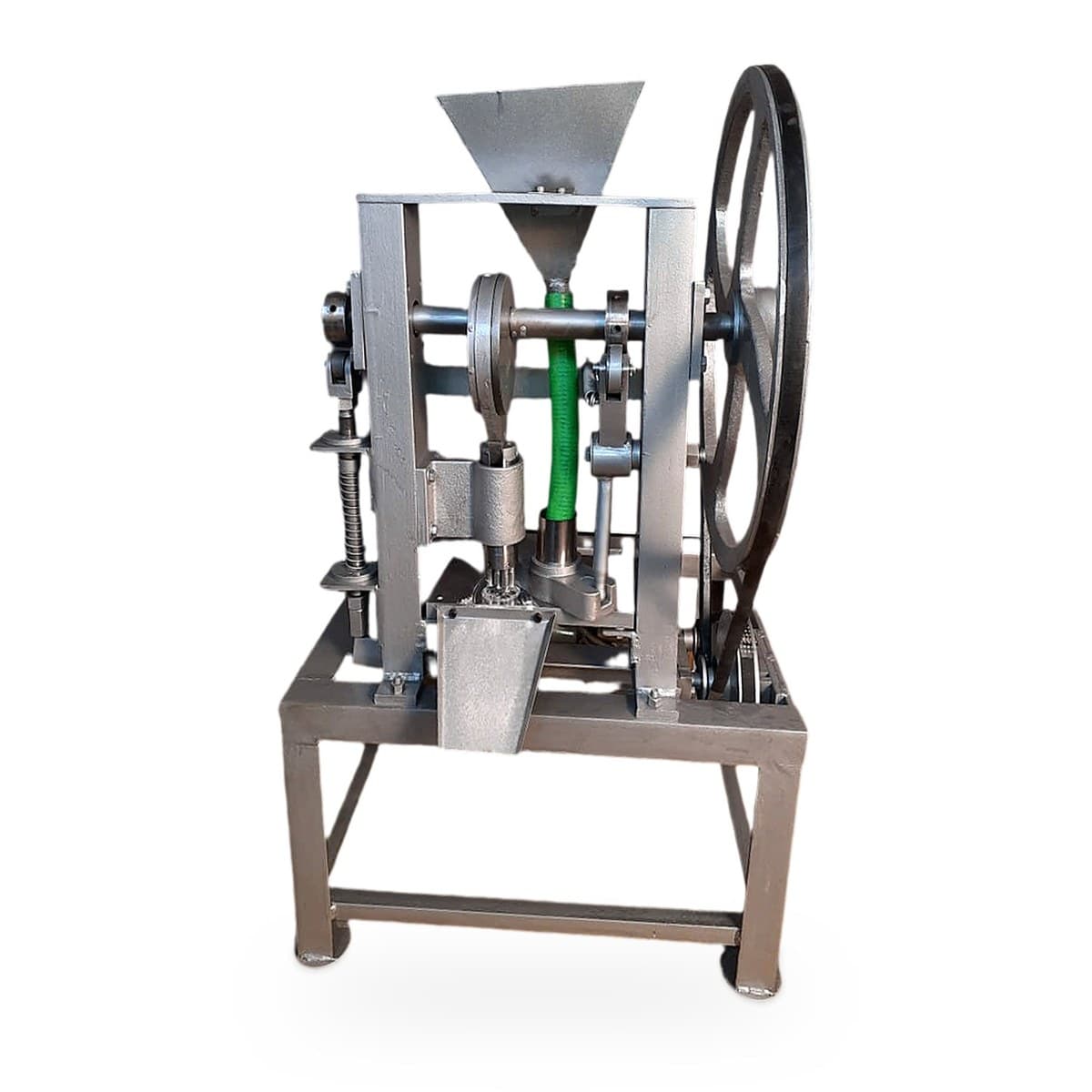
This machine does the twisting and forming for you. It has an MS body, two spindle rollers on top, a forming guide in the middle, a red power switch and a digital counter on the front panel. The operator feeds cotton and collects wicks, which is why it is called semi-automatic.
How a Gol Batti Is Formed
- Open the cotton. Pull the cotton apart into a loose, even layer so there are no hard lumps.
- Feed it in. The operator feeds a thin strand of cotton to the forming head.
- Twist and form. The rotating parts twist the cotton against the wooden die, giving the wick its round base and tip.
- Count. The digital counter records each wick, so output per shift is visible.
- Collect and bundle. Finished wicks are collected and bundled for packing.
The wooden die is a sensible choice for soft cotton. It grips the fibre well enough to form a firm wick without tearing it.
Why It Suits a Home Business
Many small machines are sold as home business machines, but this one fits the description better than most. Look at what it actually needs:
- a 220 V plug point, with no three-phase connection
- a table, since the machine weighs 14 kg
- one raw material, cotton, which is easy to store and does not spoil if kept dry
- one operator, who can learn the feeding in a short time
There is no heat, no water, no chemicals and no dust problem of the kind you get with a masala pulverizer. That makes it one of the easiest pooja-product machines to start with, alongside a manual diya making machine if you want to sell diyas and wicks together.
Cotton Quality Decides the Wick
The machine shapes the wick, but the cotton decides how it burns. A buyer lights your wick once and knows straight away whether it is good.
| Cotton | What happens |
|---|---|
| Clean, white, dry | Firm wick, steady flame, little smoke |
| Dusty or with seed bits | Uneven wick, sputtering flame, black smoke |
| Damp | Wick will not form properly and can smell in the packet |
| Lumpy, not opened | Thick and thin wicks in the same batch |
Buy from one supplier, keep the bales off the floor and away from damp walls, and open the cotton well before feeding. Those three habits matter more than any setting on the machine.
Round Wick or Long Wick Machine?
Pooja shops stock two kinds of wick. Round wicks sit in small diyas. Long wicks lie along the spout of a lamp or stand in a tall deepam. If you want to make long wicks as well, the automatic long cotton wick making machine makes wicks up to 4 inches at 8 to 10 kg a day on a 0.25 HP motor.
Start with the product your local shops ask for most. In most markets that is the round wick, and this machine is the lighter, simpler buy. Add the long wick machine once you have regular buyers.
Planning a Day’s Production
The spec sheet figure of 18,000 to 20,000 wicks in 8 hours assumes steady feeding by a practised operator. In the first weeks expect less while the operator learns how thick a strand to feed and how to keep the rhythm going.
A simple way to plan the day:
- Open the day’s cotton in the morning, before the machine starts, so feeding is never held up.
- Note the counter reading at the start, at lunch and at the end of the shift.
- Bundle wicks in fixed counts as they come off, so packing goes quickly later.
- Keep a weekly record of cotton used against wicks made.
That last record is the one that protects your profit. If wicks per kilo of cotton start falling, cotton is being wasted in opening or feeding, and you will see it within a week instead of at the end of the season. It also tells you, before festival orders come in, how many working days a large order will take, so you can promise delivery dates you can actually meet.
Packing and Selling Round Wicks
Round wicks are sold by count, so the counter on the machine is useful well beyond tracking a worker’s output. It also tells you exactly how many packets a day’s production will fill.
- Retail packets of a fixed count for kirana and pooja shops.
- Bulk bags for temples and wholesalers.
- Ghee wicks, soaked after forming, as a higher-value line.
- Pooja kits that pair wicks with camphor, dhoop and samrani cups.
A kit is where a second machine pays off. A camphor tablet machine or a samrani cup machine sells into the same shops, so one delivery run carries more products. Seal the packets with a band sealing machine to keep wicks clean and dry on the shelf.
Daily Care and Common Problems
The machine is simple, and the care routine is short.
- Blow or brush cotton fluff off the rollers, die and body at the end of each day.
- Keep the wooden die dry. Water and oil both damage it.
- Check the power cord and plug for wear, since the machine is often moved.
- Run it on a stable table so vibration does not loosen fittings.
Warranty is available on the gear box, AC drive and AC motor. For the current price or a demo video, send us a message.
Short Mein Samjhiye (Hinglish Summary)
Yeh machine rui se gol batti banati hai, jo diye mein lagti hai. 8 ghante mein 18,000 se 20,000 batti banti hai, 220 V par chalti hai, wooden die hai aur wazan sirf 14 kg hai. Ghar ke kisi bhi kamre mein table par rakh kar kaam shuru kar sakte hain.
Sabse zaroori cheez rui ki quality hai. Saaf, safed aur sookhi rui lijiye, achhe se khol kar daaliye. Gili ya gandi rui se batti barabar nahi banti aur dhuan deti hai. Counter se pata chalta hai ki din mein kitne packet bharenge. Price aur demo video ke liye WhatsApp par message kijiye.