Skip to content

MachineBand Sealing Machine

Band Sealing Machine for Pouches

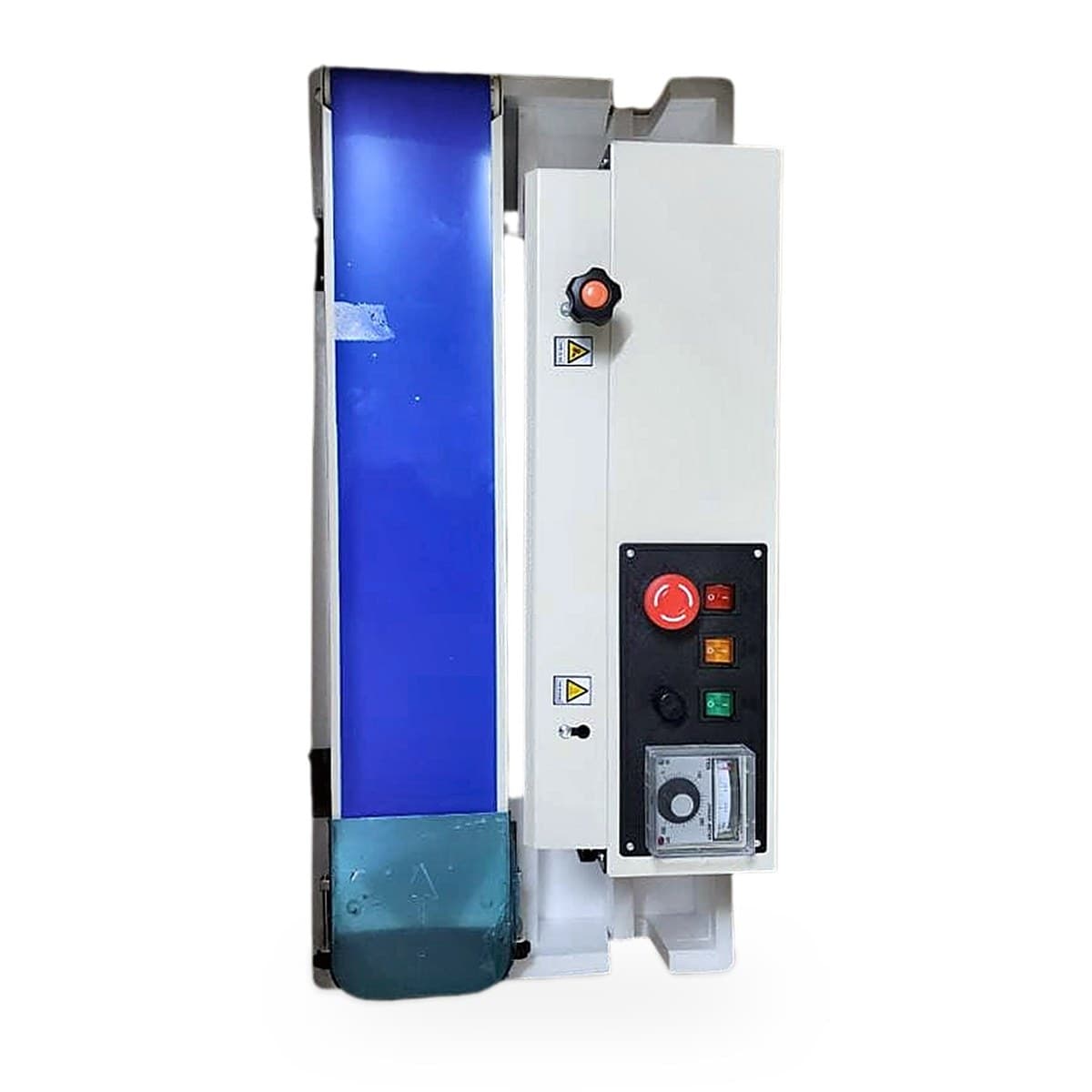
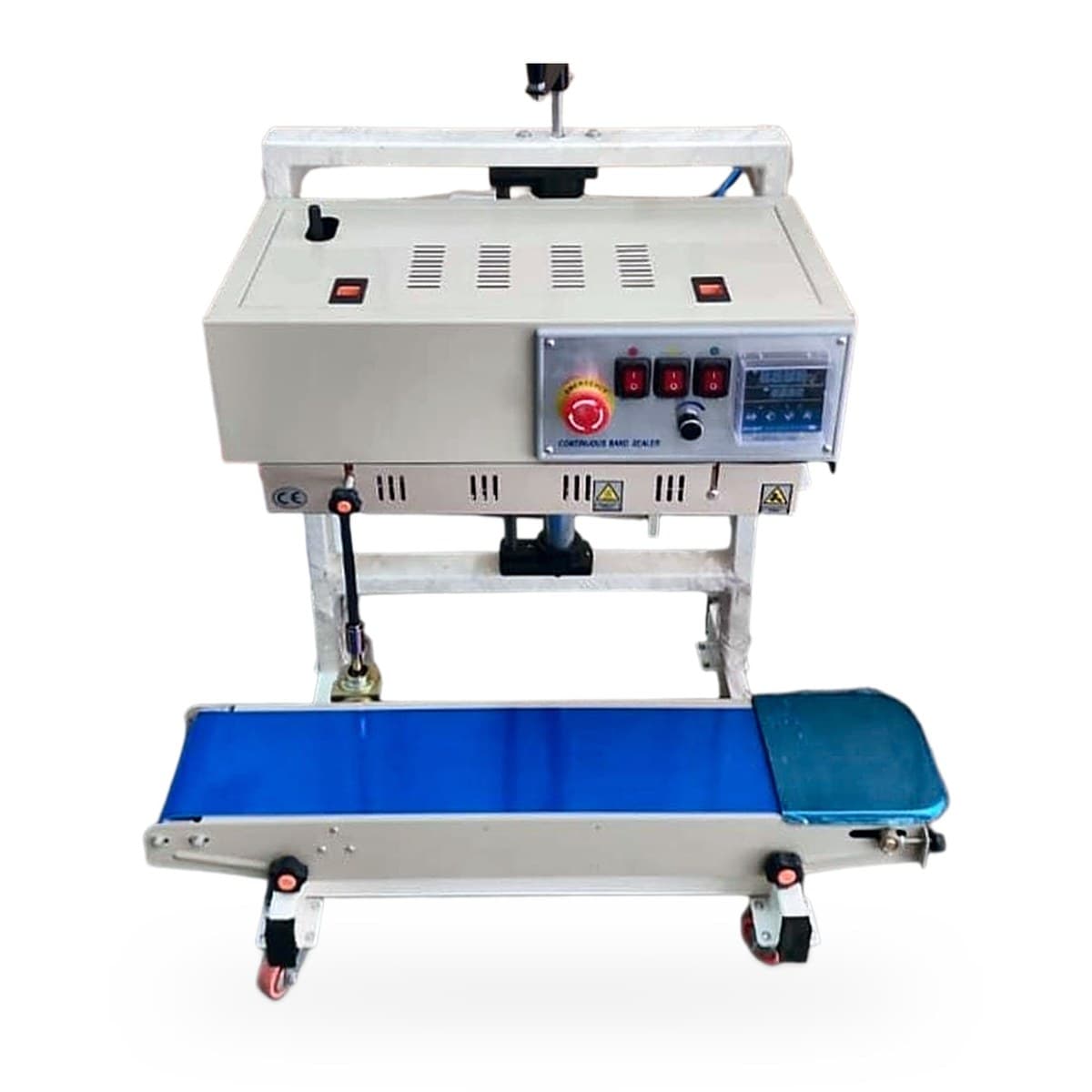
A continuous sealer for plastic and laminated pouches. The pouch is carried on a belt through a heating zone and then a cooling zone, so the seal comes out flat, even and strong without anyone holding it in a jaw.

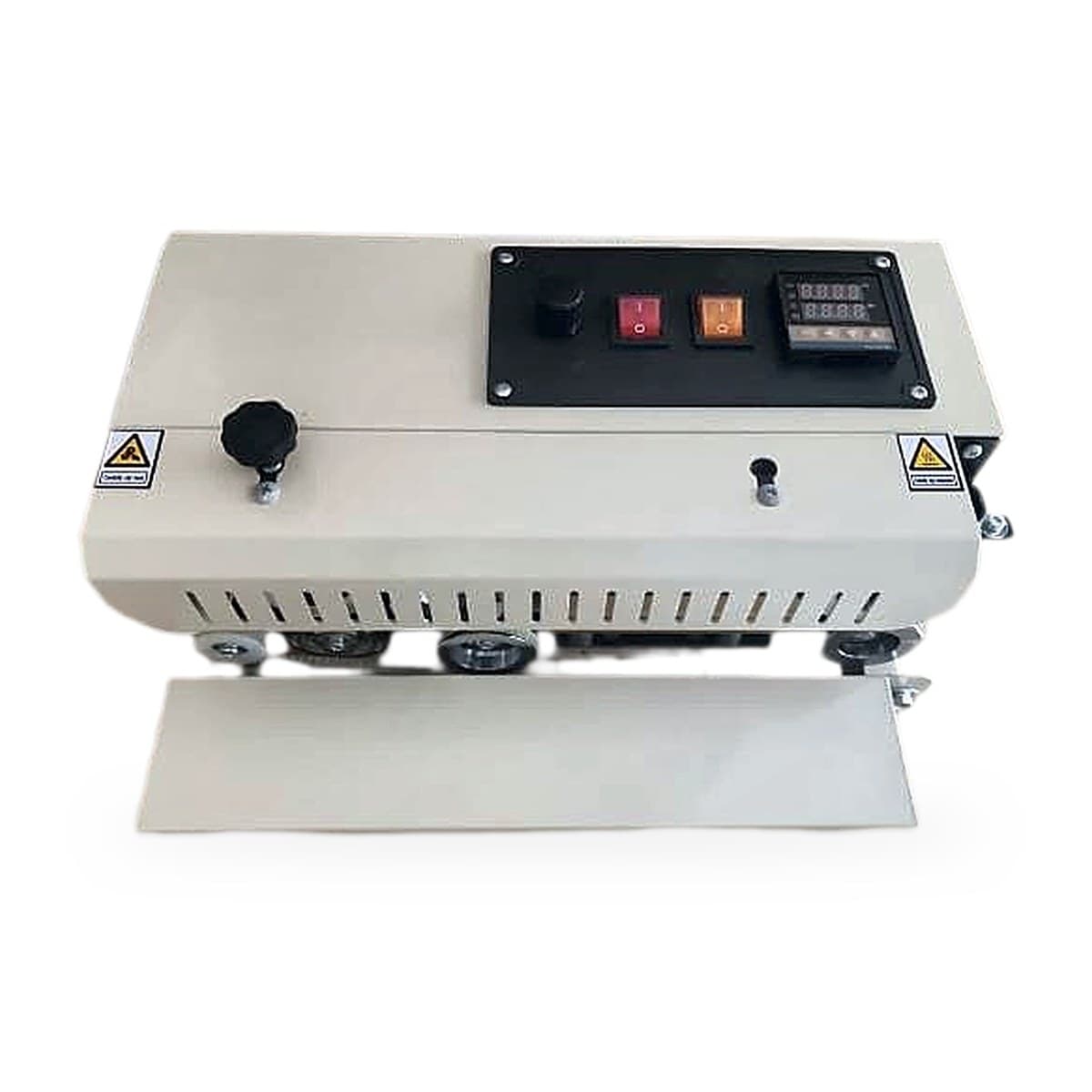
Band sealing machine for pouches with conveyor belt, sealing head and control panelBand sealer with conveyor1 / 3
Seals
Plastic & laminated pouches
Conveyor
Adjustable speed
Heat
Temperature control
Safety
Emergency stop

Or call+91 85058 21738/+91 96257 59353

  • Continuous, hands-free sealing
  • Heating and cooling zones
  • Setup guidance on call
  • Support Mon – Sat

Part of our packaging, sealing & coding range · GST 18% extra

01Specifications

Technical Specifications

Available in 1 fully automatic models. Compare them below, then ask us for the one that fits your output and power supply.

Get Spec Sheet
Band Sealing Machine for Pouches: specifications of both models
SpecificationBand SealerFor pouches
Sealing typeContinuous band sealing
ConveyorBelt with adjustable speed
TemperatureTemperature control
SafetyEmergency stop switch
Pouch materialPlastic and laminated pouches
Motor / voltage—
Seal width—
Sealing speed—
Dimensions & weight—

Detailed specifications are available on request from Shivaa Traders, so blank rows are left empty rather than guessed. Ask for the spec sheet with your pouch size and material. — = not on that model’s sheet yet.

Key Features

  • Continuous sealing

    Pouches go in at one end and come out sealed at the other. The operator only feeds, so output depends on how fast you can fill, not how fast you can press a jaw.

  • Adjustable belt speed

    Thicker laminates need more time in the heat and thin film needs less. Speed and heat together decide the seal, and both can be set on this machine.

  • Heating then cooling

    The seal is formed in the heating zone and set in the cooling zone while still pressed, which gives a flat seal instead of a wrinkled one.

  • Emergency stop

    A clearly placed emergency stop switch cuts the machine at once if a pouch jams or a hand goes too near the bands.

  • Food, powder and grain

    Suited to namkeen and snack pouches, spice and flour powders, grains and general pouch packing.

  • Fits a small packing table

    The machine sits at the end of a filling table, so a two-person team can weigh, fill and seal in one line.

02Raw Material

The Pouches You Seal, and What Goes in Them

A band sealer does not make anything by itself. It closes pouches you buy and fill, so the pouch film and the product decide how well it works.

Raw Material Price
  1. 1Buy pouchesPlain or laminated, sized to your pack
  2. 2Weigh & fillProduct weighed into each pouch
  3. 3This machineBelt carries the mouth through heat and cooling
  4. 4Check sealSqueeze test and visual check
  5. 5Code & cartonBatch and date printed, packed in cartons
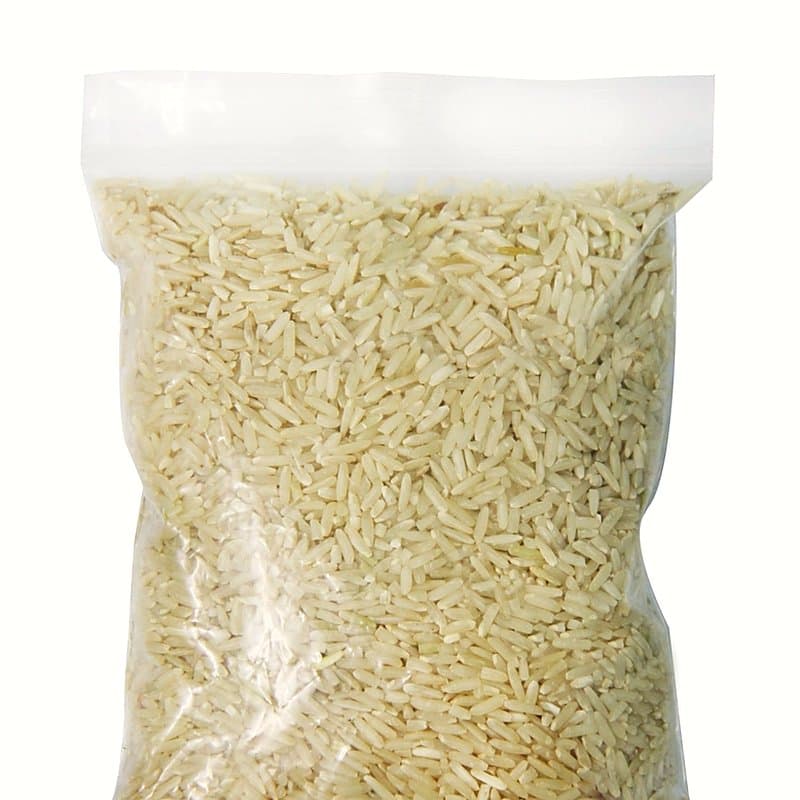
  • Clear plastic pouch of rice with a flat heat seal across the topCore

    Plain Plastic Pouches

    LDPE / PP pouch

    The cheapest pack for grains, sugar, pulses and loose items. Thin film seals at low heat, so start with a low setting and raise it slowly.

    Check when buying

    • Same film thickness across the lot
    • Mouth clean and free of dust
    • Pouch width suits the product weight
    Get price of plain plastic pouches
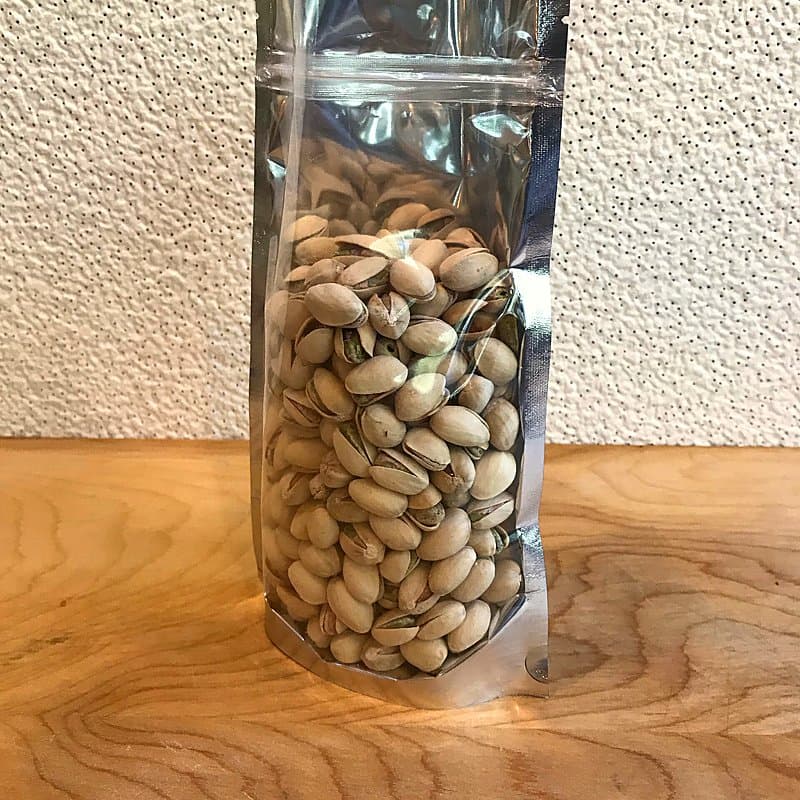
  • Metallised stand-up pouch filled with pistachios on a wooden tableCore

    Laminated & Metallised Pouches

    Multi-layer, silver, stand-up

    Used for namkeen, dry fruit, masala and anything that needs a longer shelf life. The inner sealing layer has to melt while the outer layer stays intact, so heat and speed matter more here.

    Check when buying

    • Inner layer is heat-sealable (ask your supplier)
    • No print or ink on the seal area
    • Gusset folds flat before sealing
    Get price of laminated & metallised pouches
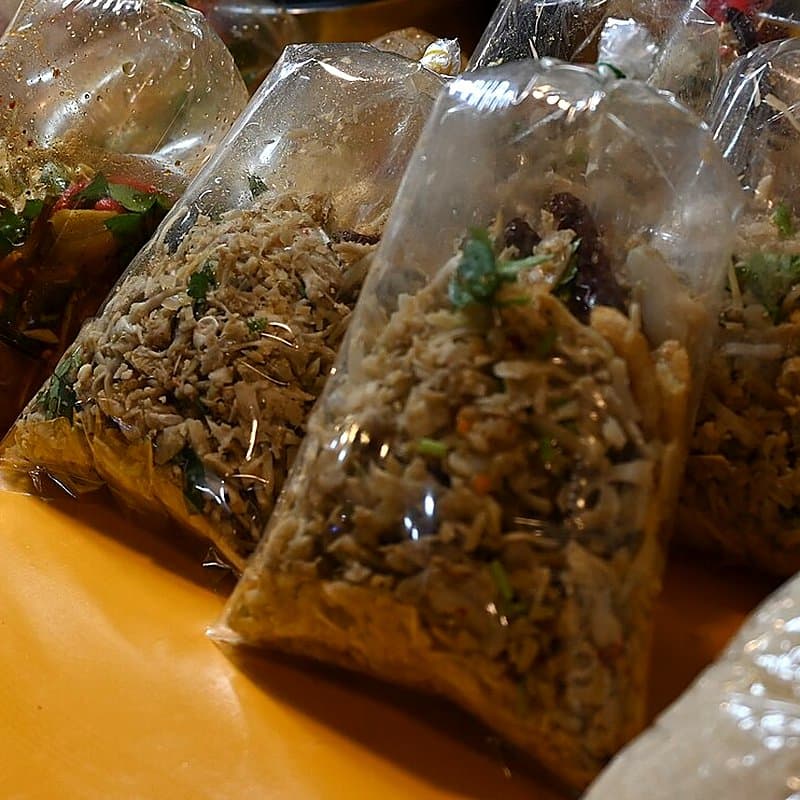
  • Clear plastic packets filled with dry food lined up for saleCore

    Snacks & Food Products

    Namkeen, chips, mixtures

    Oily and crumbly snacks leave dust and oil at the pouch mouth, which is the most common reason for weak seals. Keep the top 2 to 3 cm clean.

    Check when buying

    • Product cooled before packing
    • Mouth wiped if oil or crumbs fall on it
    • Fill level leaves room for the seal
    Get price of snacks & food products
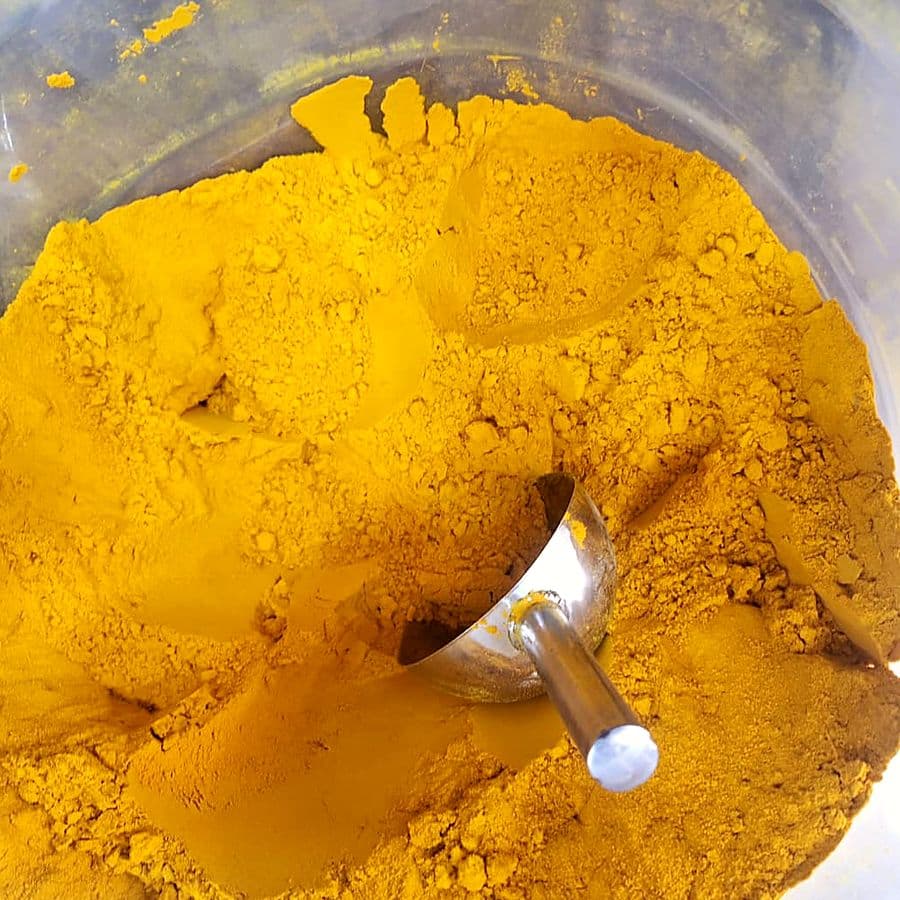
  • Freshly ground turmeric powder, a typical product packed in sealed pouchesCore

    Powders

    Masala, atta, besan

    Fine powder dusts the inside of the pouch mouth and stops the layers fusing. Use a funnel and tap the pouch before it goes to the belt.

    Check when buying

    • Funnel used to keep the mouth clean
    • Powder cooled after grinding
    • Pouch tapped to settle the fill
    Get price of powders
  • Finishing

    Batch Coding

    Date, MRP, batch no.

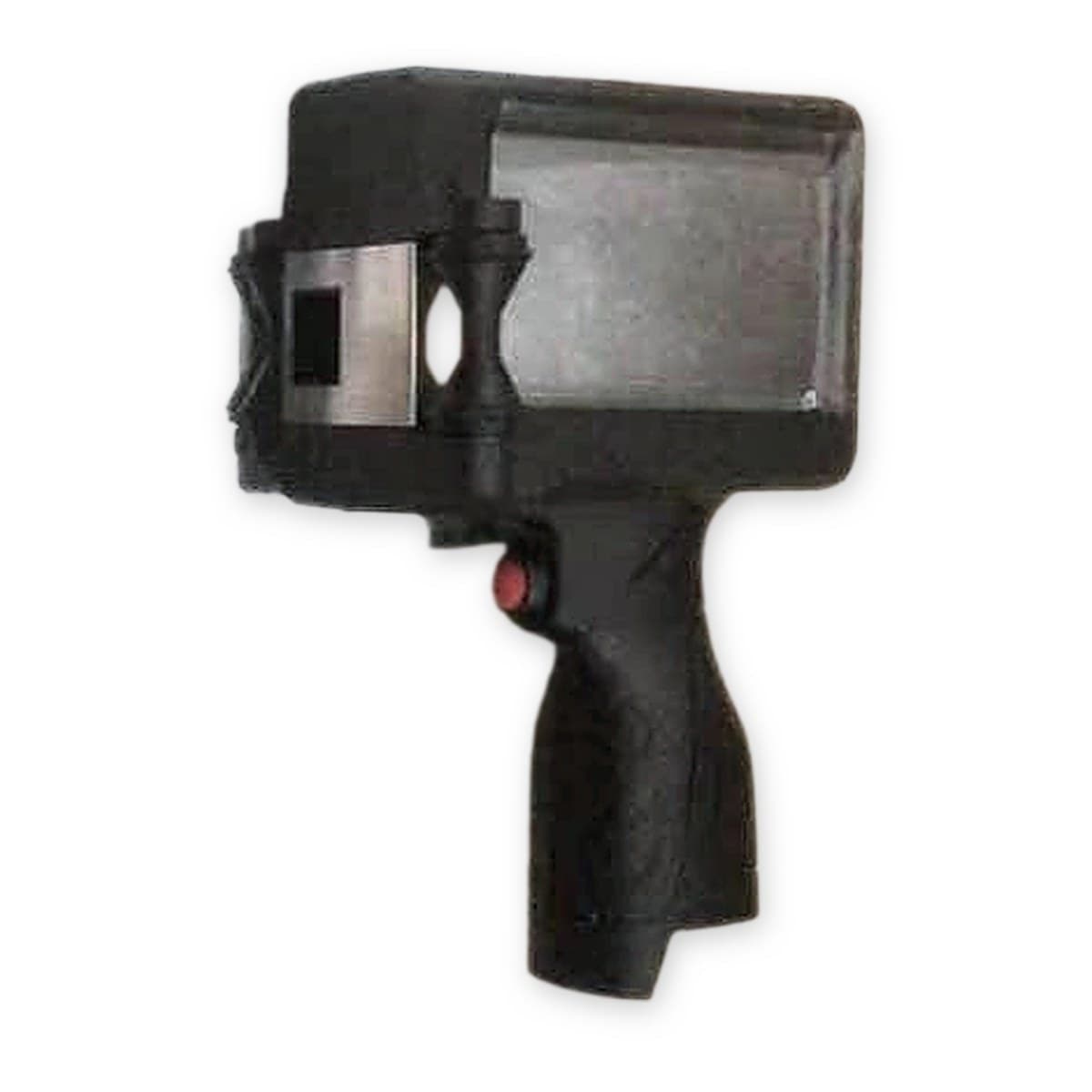
    Packed products need date, batch and price details on the pack. A handheld inkjet coder prints these on the pouch before or after sealing.

    Check when buying

    • Print area kept clear of the seal
    • Ink dries before cartoning
    • Codes match your batch record
    Get price of batch coding

Material photos (illustrative): Plain pouch by rawpixel, CC0 1.0 · Stand-up pouch by Pkgx, CC BY-SA 4.0 · Filled packets by PattayaPatrol, CC BY-SA 4.0 · Ground turmeric by Selimee, CC BY-SA 4.0.

One supplier · one quote

Get the machine and your first raw material lot together

Sticks, masala and fragrance that suit this machine, in the same quotation, so production can start as soon as it is installed.

Get Combined Quote

03Complete Guide

Band Sealing Machine for Pouches: The Complete Guide

How a continuous band sealer forms a seal, how to set heat and speed, and which pouch problems to fix first.

By the Shivaa Traders team Updated 5 min read

What Is a Band Sealing Machine?

Almost every small food business ends up packing something in a pouch: namkeen, masala, dry fruit, atta, sugar, supari. Filling is easy. Closing each pouch neatly and airtight, hundreds of times a day, is where most units slow down.

A band sealer solves that. Instead of pressing each pouch in a jaw and waiting, you rest the filled pouch on the conveyor and guide its mouth into the bands. The machine pulls it through, seals it and hands it out at the other end. The next pouch can follow straight behind.

Heat, Press, Cool: How the Seal Forms

  1. Grip. Two moving bands catch the open mouth of the pouch and carry it along.
  2. Heat. The bands pass between heated blocks. The inner sealing layer of the pouch softens and the two sides fuse.
  3. Cool. While still held flat, the seal passes cooling blocks and sets. This is the step that stops wrinkles and weak spots.
  4. Release. The sealed pouch leaves the bands and moves off the end of the conveyor.

Heat and time work together. A slower belt gives the film more time in the heating zone, so a lower temperature can do the same job. That is why this machine lets you change both.

Band Sealer or Hand Sealer?

Hand impulse sealer compared with a band sealer
PointHand sealerBand sealer
How it worksPress a jaw, wait, releasePouch travels through without stopping
Operator effortEvery pouch pressed by handOperator only feeds pouches
Seal lookDepends on the operatorSame flat seal on every pouch
Best forA few dozen packs a dayRegular daily packing

If you pack only now and then, a hand sealer is fine. Once packing becomes a daily job, the time you lose pressing each pouch adds up, and an uneven seal starts showing on the shop shelf.

Finding the Right Heat and Speed

Every pouch film behaves a little differently, so plan a short trial whenever you start a new lot of pouches.

  • Start with a low temperature and a medium belt speed.
  • Seal five empty pouches and pull the seal apart by hand.
  • If the sides peel open easily, raise the heat a little or slow the belt.
  • If the seal looks shrunk, shiny or burnt, the heat is too high. Bring it down.
  • Once it tears the film rather than peeling, note the setting for that pouch.

Pouch Problems That Look Like Machine Problems

A lot of weak seals are blamed on the machine when the cause is the pouch or the way it was filled.

  • Dirty mouth. Masala dust, flour or snack oil on the inside of the mouth stops the layers fusing. Use a funnel and keep the top few centimetres clean.
  • Overfilling. If product sits right up to the seal line, the bands cannot press the film flat. Leave space at the top.
  • Wrong laminate. Some laminated pouches have an outer layer that melts before the inner layer seals. Ask your supplier for heat-sealable film.
  • Mixed lots. A new batch of pouches can be a different thickness. Test again before running a full shift.

Safety and Daily Upkeep

A band sealer runs hot and has moving bands, so a few habits keep operators and the machine safe. Show every new person where the emergency stop switch is before they feed a pouch. Keep loose sleeves, dupatta ends and long hair away from the bands. Never clear a stuck pouch while the belt is moving.

  • Let the machine reach its set temperature before the first pouch, or early seals will be weak.
  • Switch off and let the heating area cool before you clean.
  • Brush powder, crumbs and bits of torn film away from the bands and conveyor at the end of the day.
  • Look at the bands every week. A worn or burnt band gives a patchy seal long before it breaks.
  • Keep the machine dry and away from washing areas and steam.

If seals suddenly get worse after weeks of good work, check the bands and the pouch lot before you change the settings. Most of the time one of those two has changed.

Building a Small Packing Line

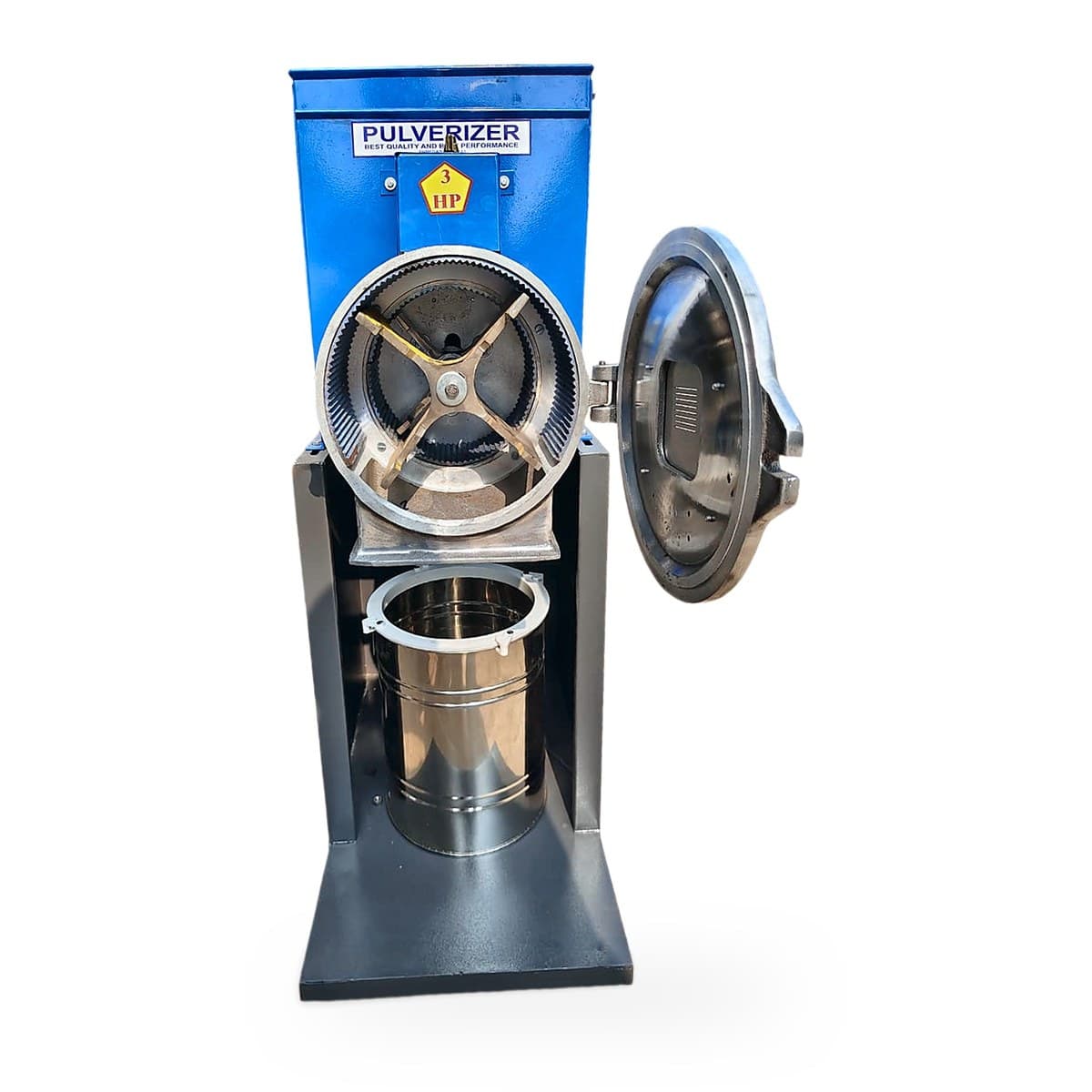
A band sealer is usually the last machine on a small packing table. Behind it sits whatever makes your product. A masala unit might grind on a 3 HP masala pulverizer, a snack maker might run a papad and pani puri machine, and a supari trader might use a supari cutting machine before packing cut supari.

After the sealer, packs need date, MRP and batch details. A handheld inkjet printer for batch coding prints these on the pouch without a conveyor of its own. With a weighing scale, a funnel and this sealer, two people can weigh, fill, seal and code in one smooth line.

Which of Our Band Sealers Fits You

We supply three band sealers. All three seal continuously. They differ in build and in the kind of pouch they are meant for.

  • This model is a general pouch sealer with adjustable speed, temperature control and an emergency stop. It suits food, powder, grain and general packing.
  • The SS body continuous band sealer is a compact table-top unit with a stainless body and a digital temperature controller. It suits shops and small food units.
  • The heavy duty band sealer stands on the floor with its own conveyor and castor wheels, for heavier pouches and bags.

Packed food in India also carries registration and labelling requirements that depend on your product, state and turnover. Check what applies to you with the relevant department before you start selling.

Short Mein Samjhiye (Hinglish Summary)

Band sealing machine bhare hue plastic aur laminated pouch ko lagaataar seal karti hai. Pouch belt par chalta hai, garam hissa usko jodta hai aur thanda hissa seal ko set karta hai. Speed aur temperature dono badal sakte hain, aur emergency stop switch laga hai.

Achhi seal ke liye pouch ka munh saaf rakhiye, pouch ko upar tak mat bhariye, aur har naye pouch lot par pehle test kijiye. Detailed specification request par milti hai. Price ke liye WhatsApp par message kijiye.
Have a question this guide didn’t answer?Our team replies on WhatsApp and call, Mon – Sat, 10:00 AM – 7:00 PM.

Ask on WhatsApp

FAQs

Frequently Asked Questions

What buyers ask us most about the band sealing machine for pouches.

Ask your own question on WhatsApp

What is the price of a band sealing machine?

Price depends on the model and your requirement. Send us your pouch size and material on WhatsApp and we will share the latest price. GST at 18% is extra.

What does a band sealing machine do?

It seals the open mouth of a filled pouch continuously. The pouch is carried on a belt through a heating zone, where the inner layers fuse, and then a cooling zone, where the seal sets while still pressed.

Which pouches can it seal?

Plastic and laminated pouches, as listed in the catalogue. Laminated pouches must have a heat-sealable inner layer. Ask your pouch supplier if you are not sure.

How many pouches can it seal per minute?

Sealing speed is part of the detailed specifications, which are shared on request. In practice your filling speed usually decides output, because the belt runs continuously.

Can I change the temperature and speed?

Yes. The machine has temperature control and an adjustable conveyor speed, which you set together for each pouch material.

Why is my seal weak or wrinkled?

Usually heat that is too low or too high for the film, a belt speed that does not match, or dust and oil at the pouch mouth. Run test pouches and change one setting at a time.

Is it safe for a new operator?

It has an emergency stop switch. Keep hands away from the moving bands, switch off before cleaning and train each operator on the stop switch first.

Can it seal powder pouches like masala and atta?

Yes, powder and grain packing is one of the listed uses. Keep the pouch mouth free of powder, because dust on the seal area is the usual cause of leaks.

Which band sealer should I choose?

This model suits general pouch packing. For a stainless steel table-top unit with a digital controller look at the SS body model, and for heavy pouches on a floor-standing stand look at the heavy duty model.

Do I need any licence to sell packed food?

Packed food in India has registration and labelling requirements that depend on your product, state and turnover. Check with the relevant department before you start selling.

Best price

Get the price of the Band Sealing Machine for Pouches

Tell us your model, power supply and stick size. We reply with the price, spec sheet and demo video, and a raw material quote if you need one.

Get Best Price on WhatsApp

Send an enquiry

The machine is already selected. Add your details and press send.

Opens WhatsApp with your details filled in.