What Is a Scrubber Blister Packing Machine?
Steel scrubbers are one of the most bought household items in India. Every kitchen goes through them, and every kirana, utensil and general store keeps them. Most are sold either loose by the dozen or on a printed card with a clear blister. The card version fetches a better price and carries a brand.
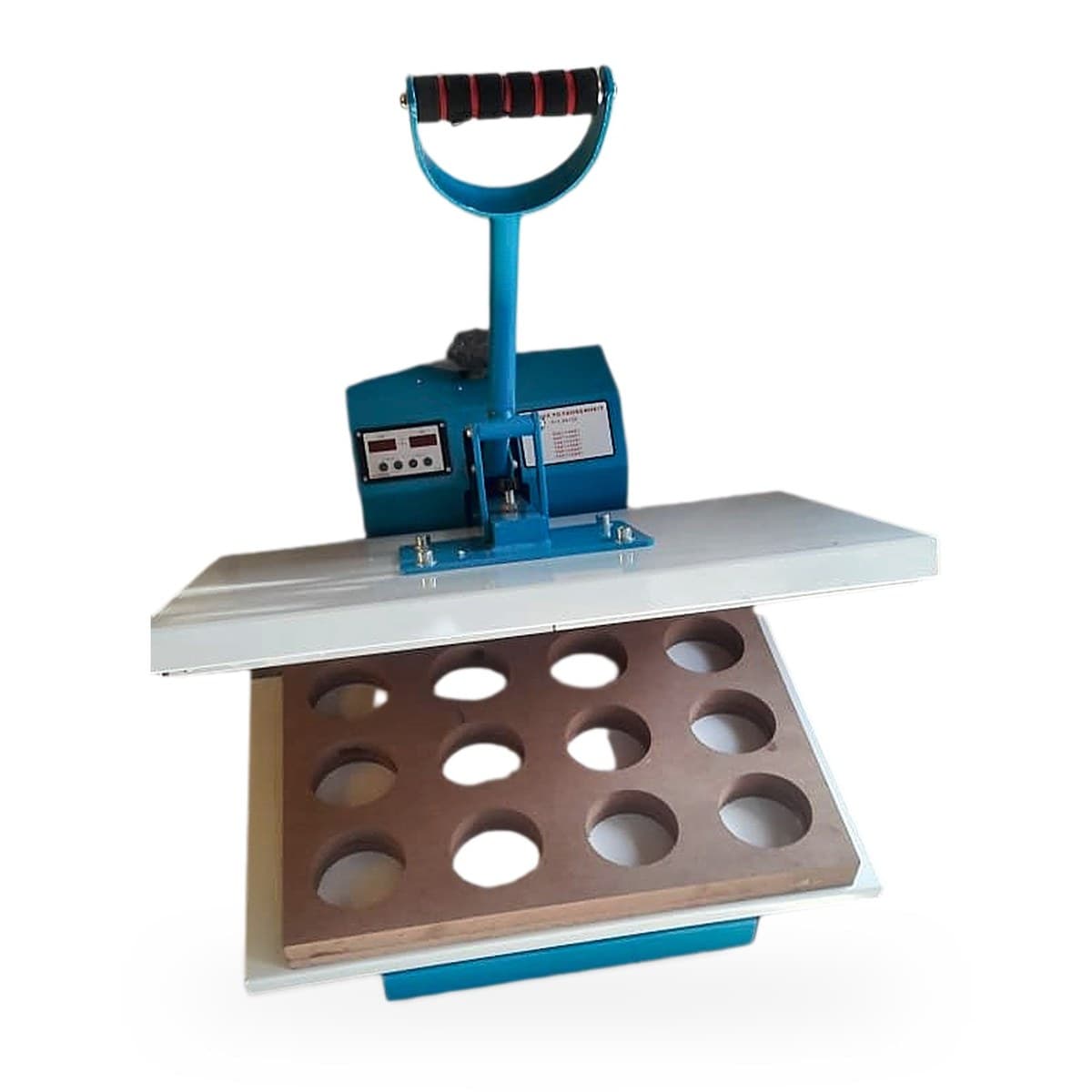
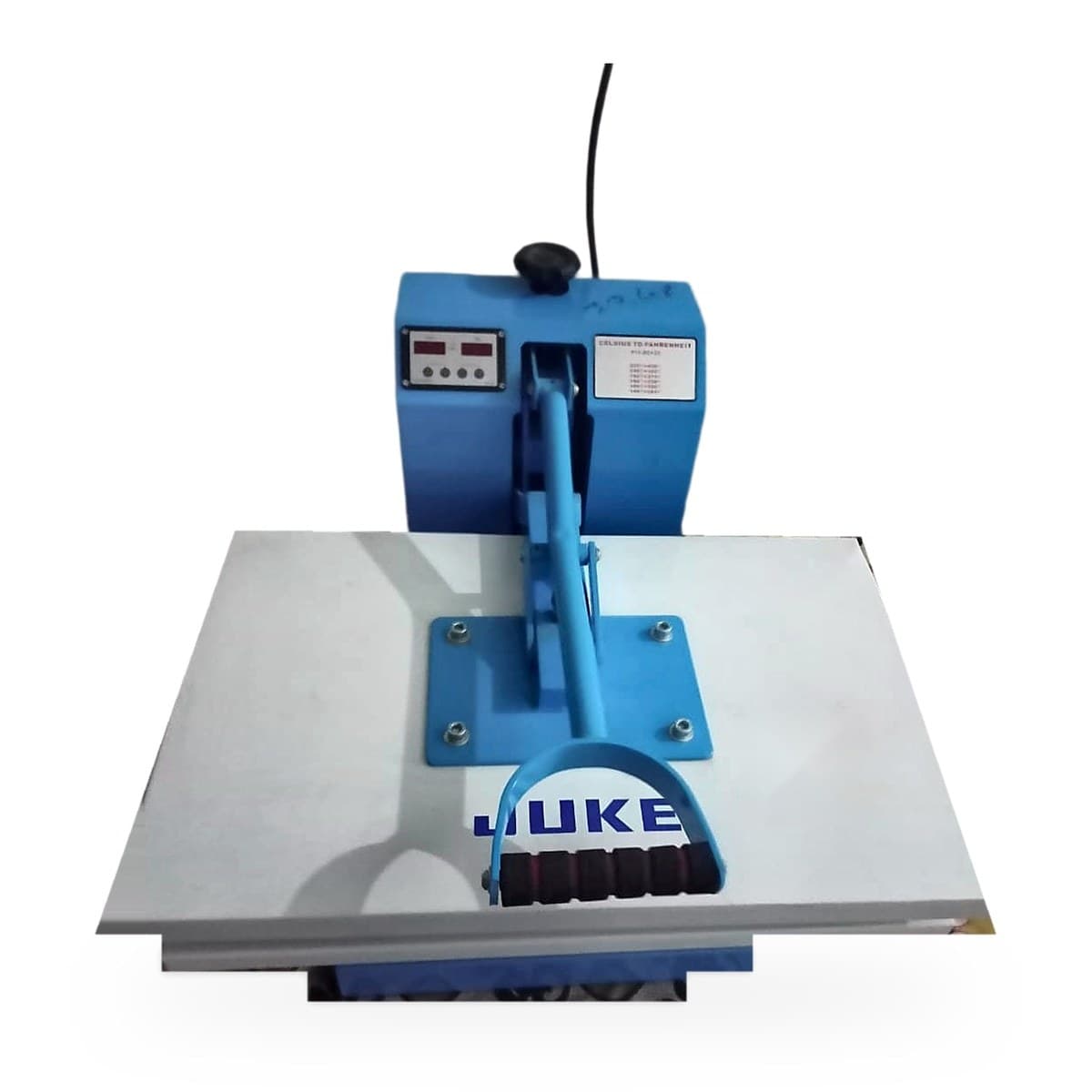
This machine makes that card. It has a blue body with a digital controller, a long handle with a padded grip and a wide white sealing plate. You place blisters with scrubbers on the base, lay printed cards over them and bring the hot plate down with the handle.
Why Scrubbers Sell Better on a Card
A loose scrubber and a carded scrubber can be the same product. The card changes how it sells:
- It hangs on a hook, so the shop gives it display space instead of keeping it in a drawer.
- It stays clean and does not tangle with other scrubbers.
- Your brand name, MRP and contact sit on every piece.
- A sealed card shows if it has been opened, which shopkeepers like.
Some units make scrubbers and card them. Others buy finished scrubbers from makers and only do the packing and selling. Both work. Packing is the easier start, since it needs less machinery and less skill.
If you buy finished scrubbers, your margin comes from the difference between the loose price and what a branded card fetches, minus the blister, the card and your labour. Work this out per piece before you buy anything. Ask two or three scrubber makers for rates by weight, ask a printer for card rates at your likely quantity, and ask a blister maker for the price per thousand. Those three numbers tell you whether your local market will pay enough for the card.
Scrubbers also come in more than one weight and size. Many brands sell a light everyday scrubber and a heavier one for big vessels, each on its own card. Starting with one size keeps the tray, blister and card simple. Add the second size once the first is selling steadily.
Planning Cards Around the Plate
The large plate is the reason to buy this model. The more cards you fit under it, the more you pack per press. Before you print a single card, plan the layout with us.
- Ask us for the plate dimensions, which are available on request.
- Decide your card size based on the scrubber and how shops display it.
- Work out how many cards fit with a small gap between them.
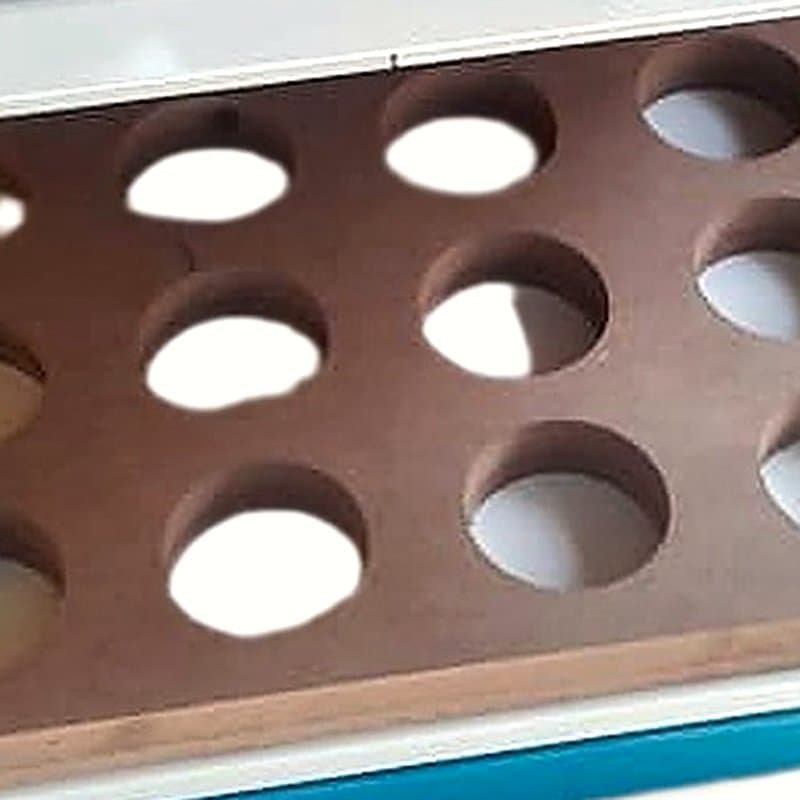
- Order the cavity tray and blisters to match that layout.
A Normal Packing Day
Switch on and let the plate reach the set heat. While it warms, one person fills blisters with scrubbers and sets them in the tray. Cards go on top, printed side down. The operator presses, waits for the set time, lifts and stacks. A third person, or the same helper, separates cards, checks seals and counts them into cartons.
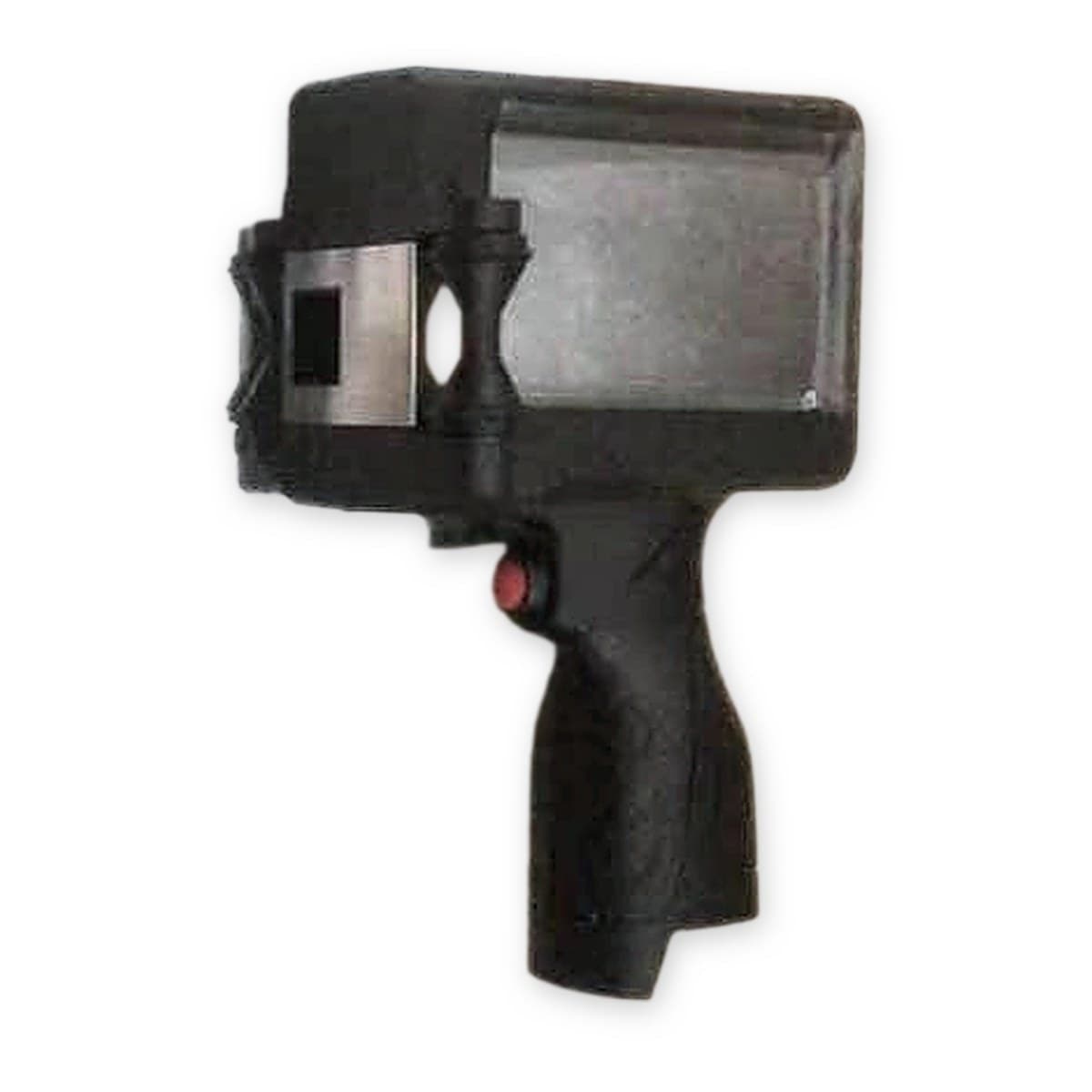
Date and batch details are usually added at the end with a handheld inkjet batch coding printer, which prints on the card or the carton without a conveyor.
Keep a simple register at the end of each day: cards packed, cards rejected, blisters and cards used. Over a week this shows your real waste. If rejects climb, check the plate setting, the tray and the card lot before blaming the operator. Most seal problems come from a new lot of cards with a slightly different coating, which is why a fresh test is worth doing every time cards arrive.
Buying Blisters, Cards and Scrubbers
| Supply | Buy from | Check before accepting |
|---|---|---|
| Steel scrubbers | Scrubber makers or your own unit | Same weight and size, no loose ends |
| Clear blisters | Thermoforming units | Dome fits a scrubber, flat flange |
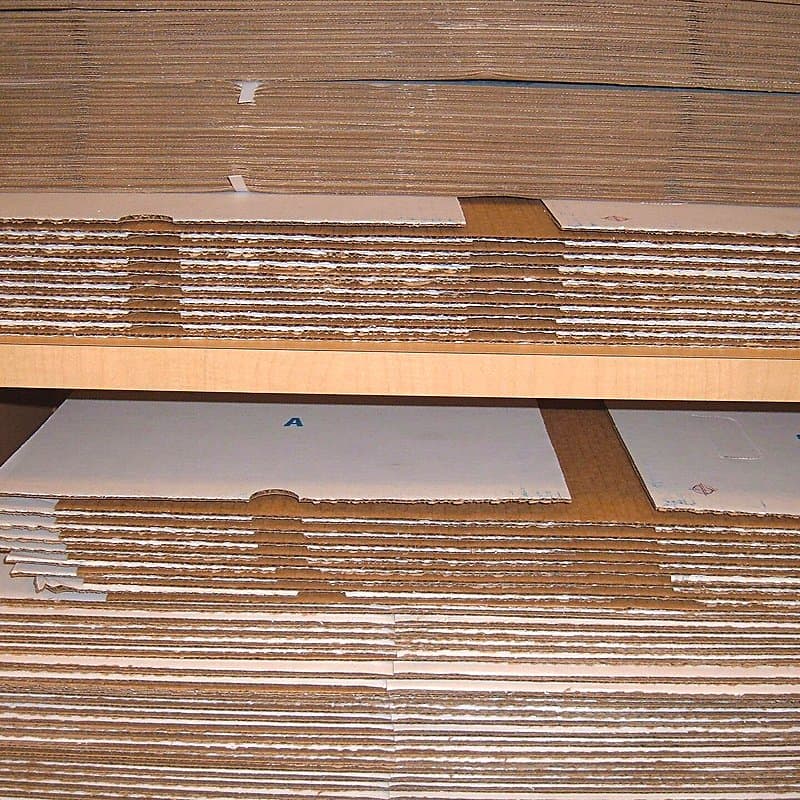
| Printed cards | Packaging printers | Heat-seal coating, accurate size |
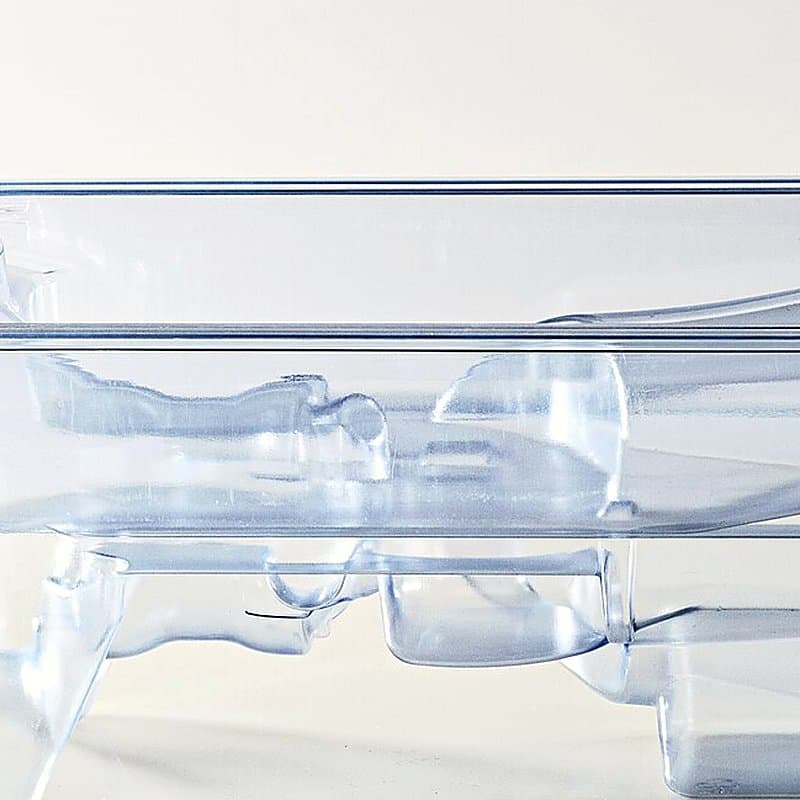
Give the blister maker a real scrubber, not a drawing. Scrubbers are springy and vary a little, and the dome must hold the largest one in your lot without lifting the flange.
What Shopkeepers Look For
Shopkeepers pick up a card, look at the scrubber, and tug gently at the blister. If it lifts, they will not reorder. Distributors who supply many shops are stricter still, because returns come back to them first. They also notice a crooked blister, a bent card and a missing price. Seal a few test cards at the start of every day and every new card lot, and peel one. A good seal tears the card surface. Keep finished cards flat in cartons sized to fit, since cards that slide about get crushed corners.
Looking After the Press
Keep the plate face clean. Any melted coating stuck to it will mark the next cards. Wipe it only once it has cooled. Check that the tray is flat, because a warped tray gives a weak seal in one corner. Oil the handle joints lightly and wipe off the extra. Always switch off before cleaning and never leave the plate hot and unattended.
Handle Press or Hydraulic Press
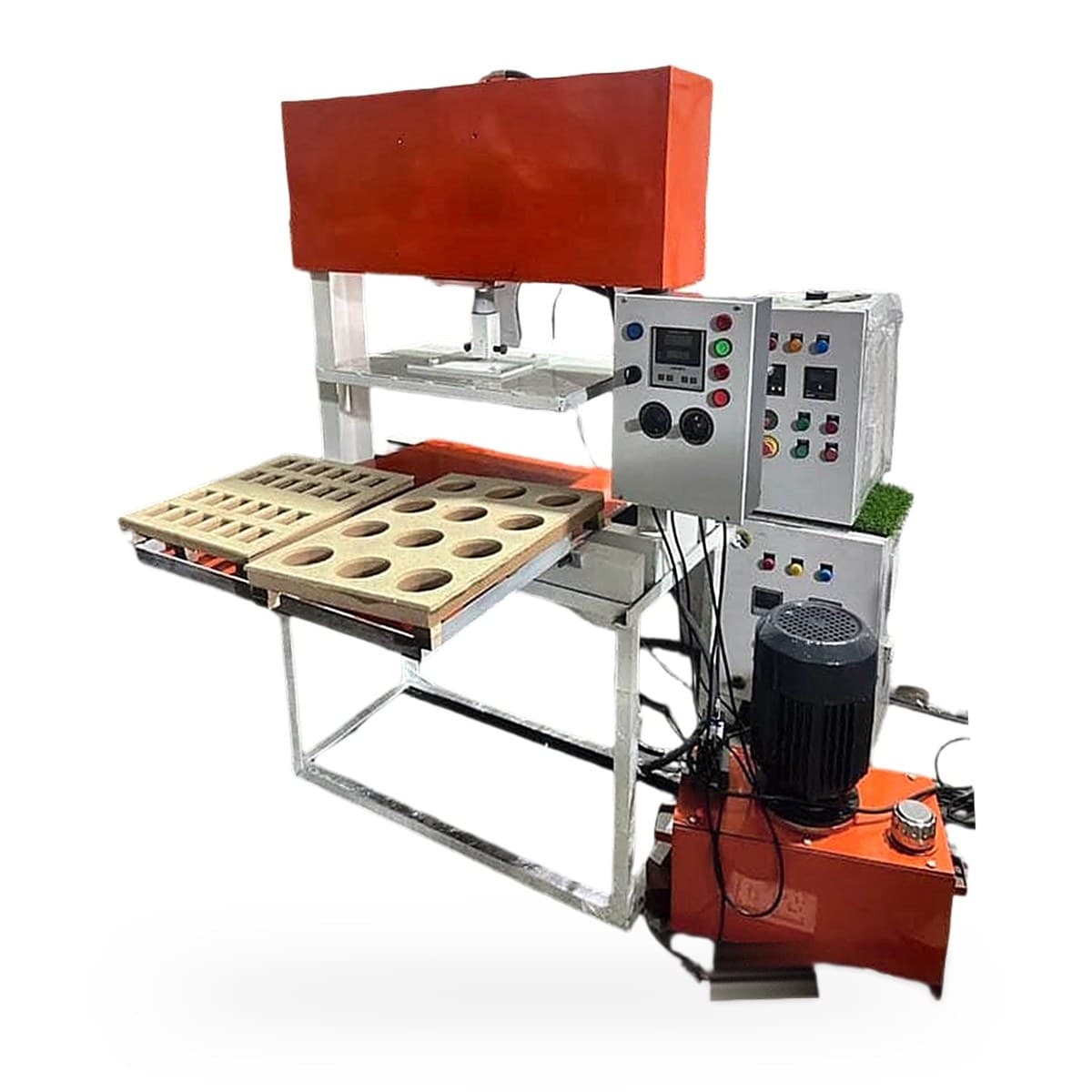
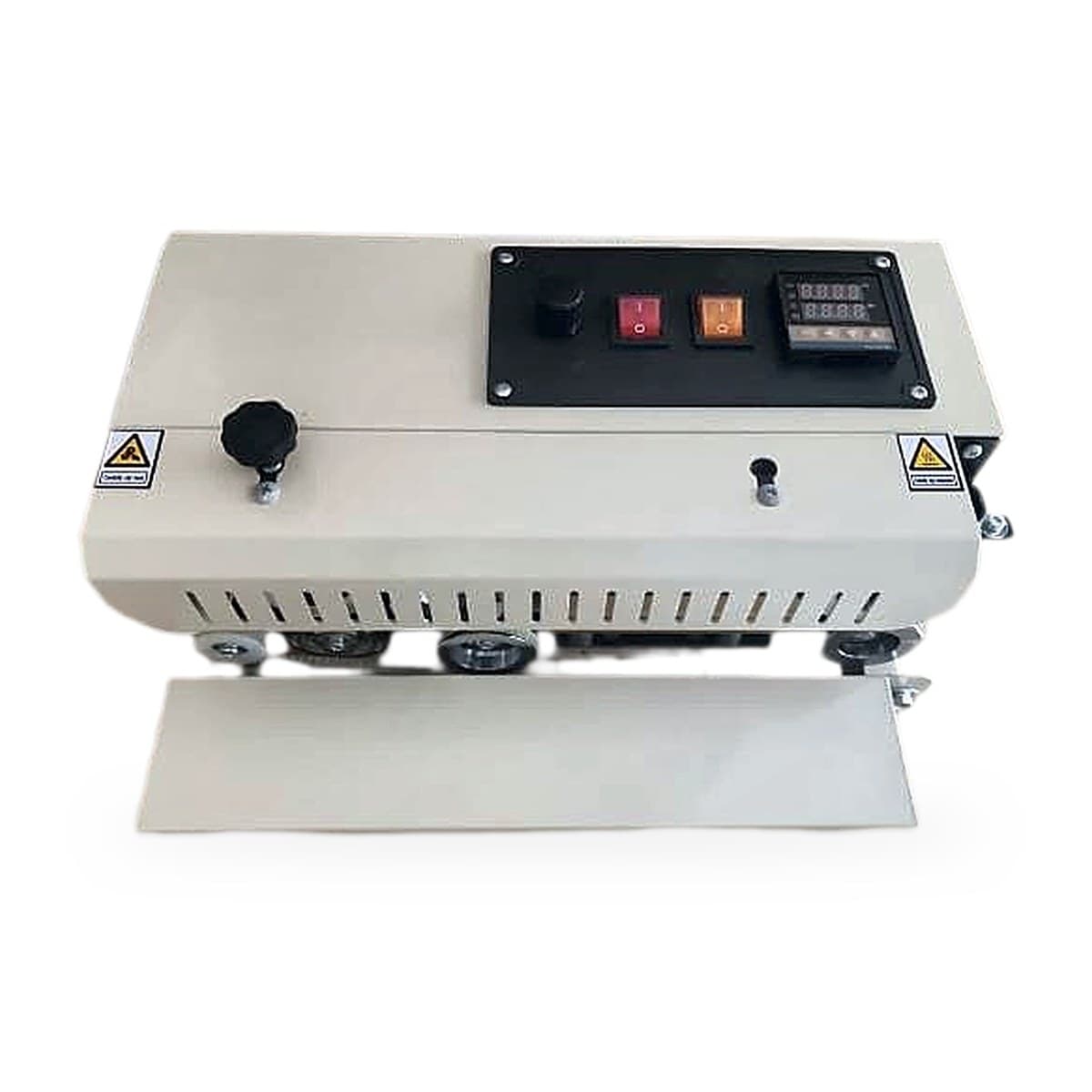
This handle press is a good fit while volume is moderate. When you have steady bulk orders, the hydraulic scrubber packing machine gives the same pressure every press, a sliding tray and far less effort for the operator. For general small items and smaller cards, the compact manual blister packing machine with its multi-cavity tray is the simpler choice. If you also sell scrubbers in sealed pouch packs, a continuous band sealer with stainless body handles that.
Short Mein Samjhiye (Hinglish Summary)
Scrubber blister packing machine steel scrubber ko plastic blister mein band karke printed card par seal karti hai. Yeh scrubber banati nahi, sirf pack karti hai. Badi sealing plate ki wajah se ek baar mein kaafi card seal ho jaate hain.
Card par heat-seal coating zaroori hai. Plate size, power aur output ki details request par milti hain. Card layout pehle humse discuss kijiye. Price ke liye WhatsApp kijiye, GST 18% alag.