What Is a Hydraulic Scrubber Packing Machine?
It does the same job as a handle press: it seals a clear blister holding a steel scrubber onto a printed card. Shops hang these cards on hooks, and wholesalers buy them by the carton, so a unit that packs scrubbers well can supply a wide area from one small shed. The difference is where the force comes from. Here a motor drives a hydraulic pump, and a cylinder brings the hot platen down with the same pressure every time. The operator loads trays and presses a button instead of pulling a handle all day.
The Main Parts, From the Photo
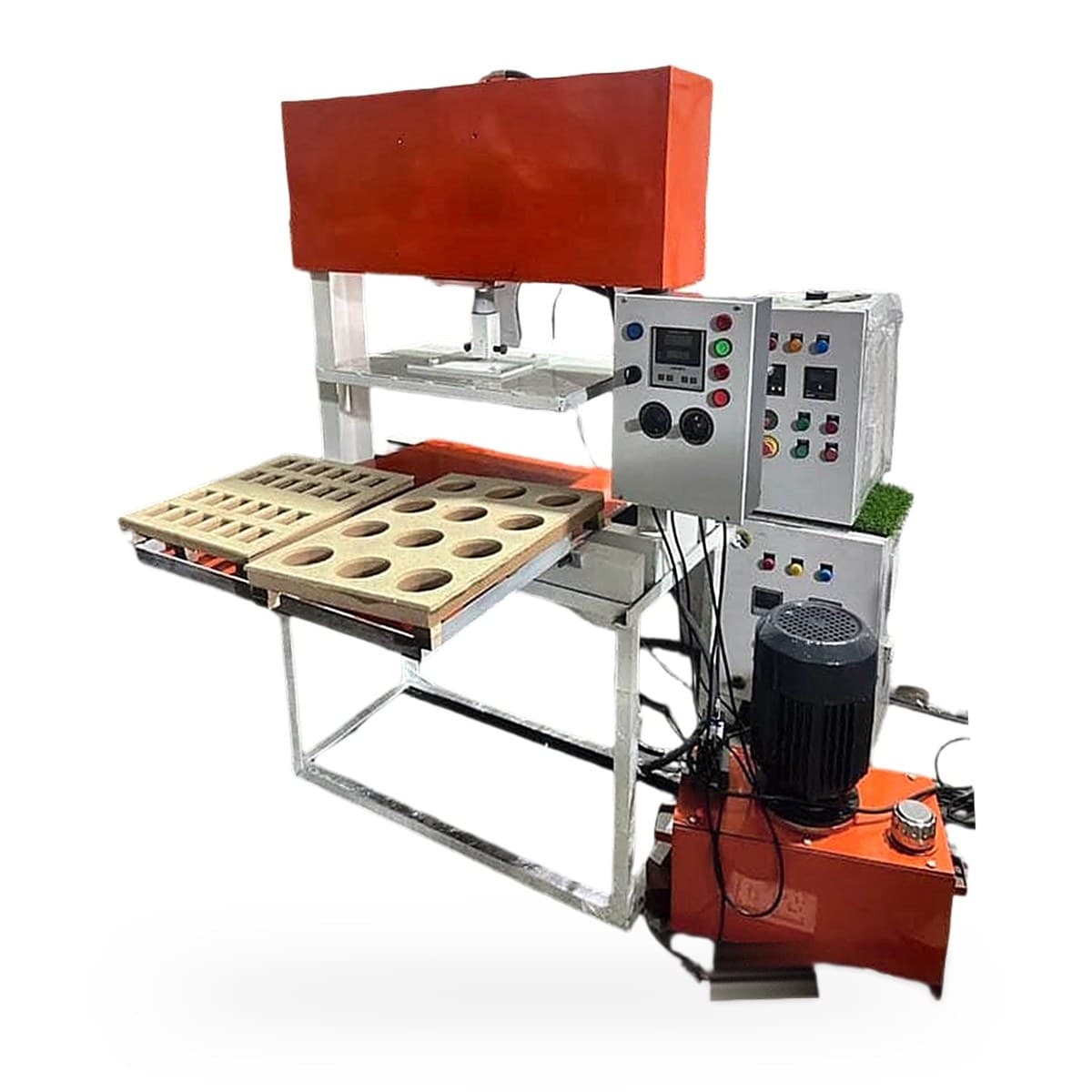
- Top housing and platen. The orange box at the top holds the cylinder. Under it is the heated sealing platen.
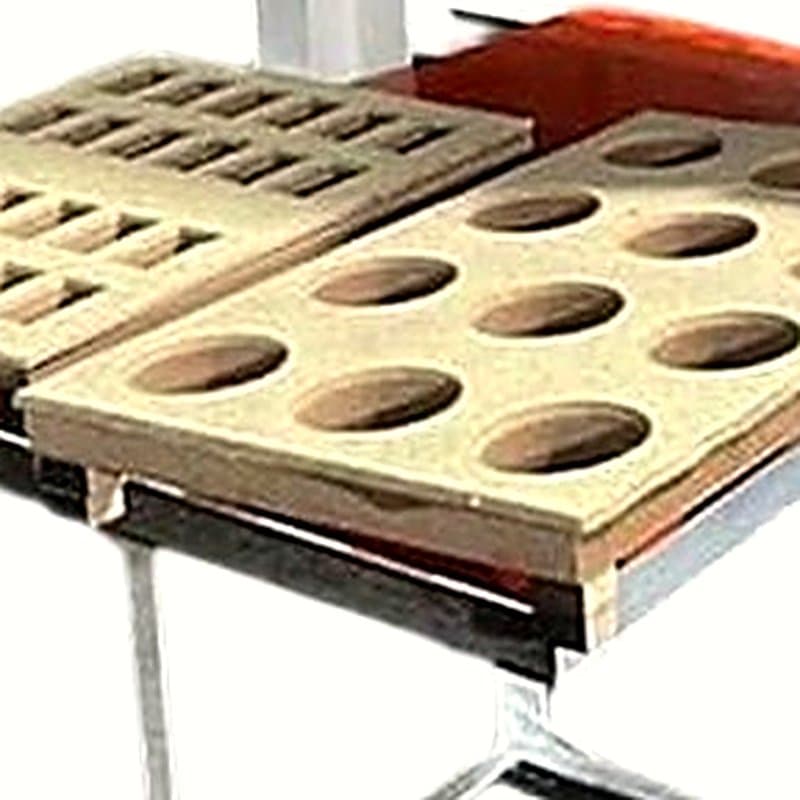
- Sliding trays. Two cavity trays sit on a slide in front: one with round pockets, one with small rectangular pockets. Each holds a different blister shape.
- Control panels. Steel panels carry the digital controllers, indicator lamps and switches.
- Power pack. A motor on an oil tank at the base supplies the hydraulic pressure.
- Frame. A tall steel frame on legs carries all of it at working height.
Why Hydraulic Pressure Helps
With a handle press, pressure depends on the operator. Early in the day it is firm; by evening, after hundreds of presses, it is not. Seals at the edge of the plate can come out weaker than seals in the middle. Hydraulic pressing removes that variation. Every press is the same, across the whole platen.
That matters when you sell to wholesalers who open cartons and check. A carton with a few lifted blisters costs you more in goodwill than the scrubbers inside it are worth.
Even pressure also helps with materials. With a set force and a set time, you can find the lowest temperature that still gives a good seal and run there. Cards brown less, the plate stays cleaner and blisters keep their shape. It becomes easier to train a new operator too, because the machine sets the pressure and the operator only has to load cleanly and keep an eye on each batch.
Before buying, ask us for the platen size and the motor rating, and tell us your card size. Together these show how many cards seal per press and what electrical supply your shed needs. Plan the wiring before the machine arrives so it can start work on the first day.
Working With Sliding Trays
The sliding tray is the main working comfort. It slides out for loading, so the operator never puts hands under the hot platen, and slides back for sealing. Having two trays means one can be filled while the other is being sealed.
Building a Small Packing Line
A simple layout that keeps the press busy:
| Station | Work | Equipment |
|---|---|---|
| 1. Filling | Scrubbers into blisters, blisters into tray | Table, tray |
| 2. Sealing | Cards laid on, tray slid in, pressed | This machine |
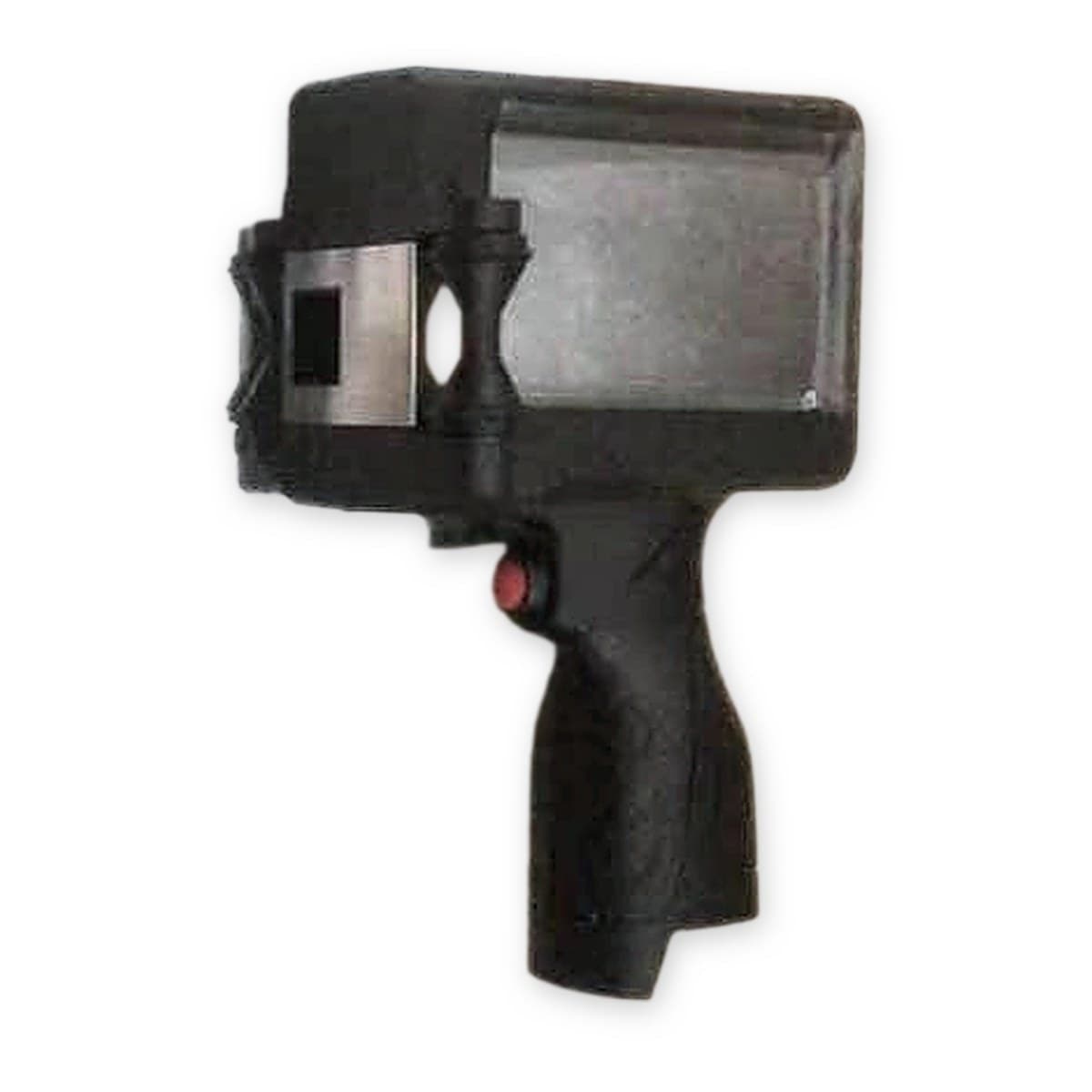
| 3. Coding | Date, batch and MRP printed | Handheld inkjet printer |
| 4. Packing | Cards counted into cartons | Table, cartons |
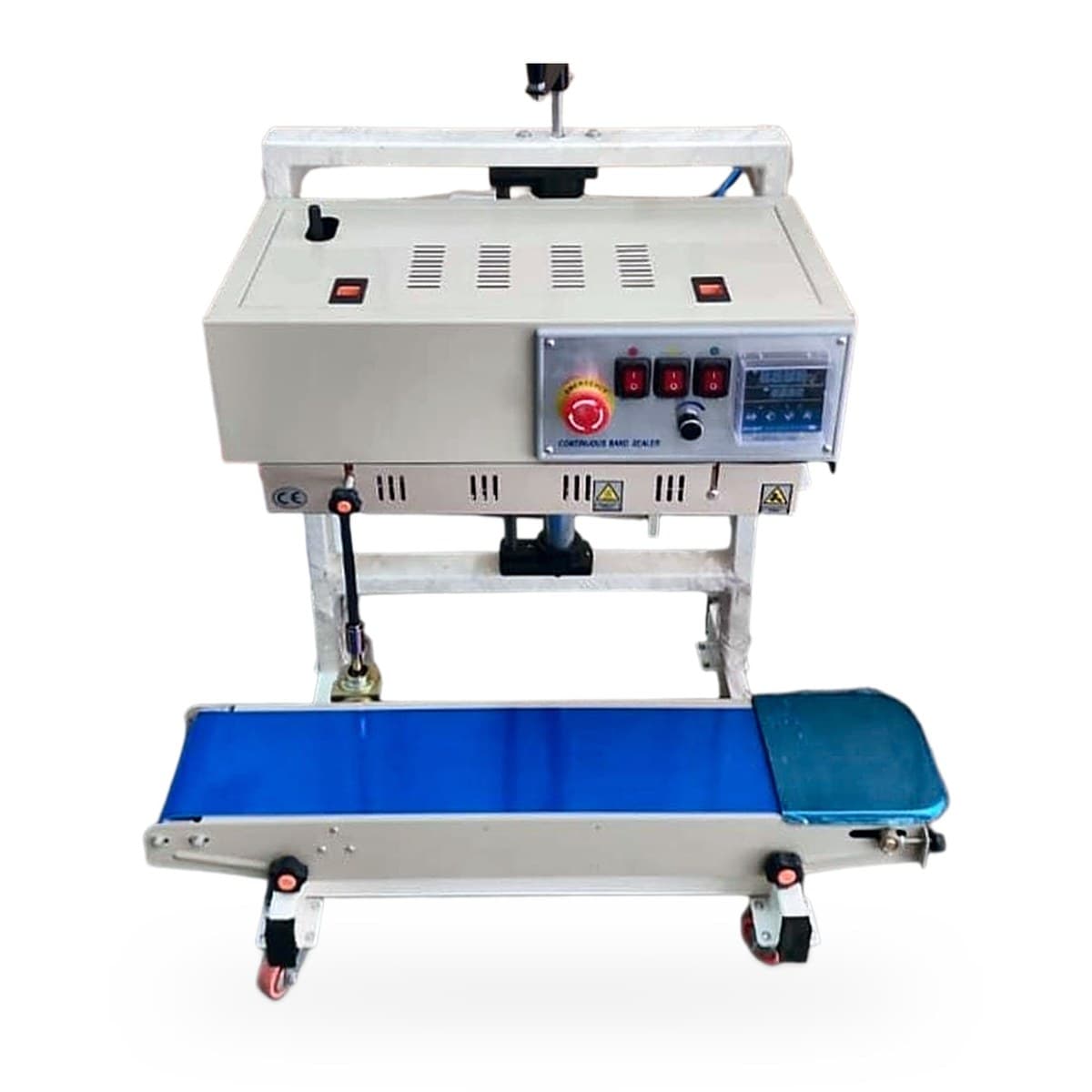
For station three, a handheld inkjet printer for date and batch coding needs no conveyor. If you also supply loose scrubbers in poly bags to wholesalers, a heavy duty band sealing machine closes those bags quickly.
The press sets the pace of the whole line. If it waits for filled trays, add a person at filling. If sealed cards pile up, add one at packing. Watch for a day or two and move people to wherever work collects. Keep a stock of blisters and cards for at least a few days of running, because a line that stops for want of cards loses more than the cost of carrying that stock.
Hydraulic Care Basics
- Check the oil level in the power pack tank every week and top up with the grade in the manual.
- Look at hoses and fittings for oil drips. A small leak grows and drops pressure.
- Keep the motor and tank clean and free of dust so they stay cool.
- Change the oil at the interval the manual advises. Dirty oil wears the pump.
- If the press feels slow or weak, stop and check oil and leaks before carrying on.
Keep the platen face clean too. Coating stuck to it marks every card that follows. Clean only when it has cooled.
Safe Working Habits
The platen is hot and the press is strong. Load only with the tray slid out. Do not reach under the platen while the machine is on. Keep the area around the power pack dry, since oil on the floor causes slips. Train every operator on the emergency stop and the switches on the panel before they run the machine alone. Switch off and isolate power before cleaning or changing trays.
Give the machine some room. Leave space around the power pack for air to reach the motor, and keep cartons and cards away from the hot platen. A fire extinguisher near the panel and a first aid box on the wall are sensible in any packing shed that runs heaters all day.
Is It Time to Go Hydraulic?
If you are just starting, the handle-operated scrubber blister packing machine or the compact table-top manual blister press costs less and teaches you the trade. Move to hydraulic when you have regular bulk orders, when seal complaints come from pressure varying through the day, or when the operator cannot keep up by hand. Many units keep the manual press for short runs after upgrading.
Short Mein Samjhiye (Hinglish Summary)
Hydraulic scrubber packing machine mein garam platen hydraulic pressure se card ko blister par dabati hai. Pressure har baar ek jaisa rehta hai, isliye seal poori tray mein barabar aata hai. Sliding tray bahar kheench kar load hoti hai, haath garam plate ke neeche nahi jaata.
Power pack ka oil hafte mein check kijiye. Platen size, motor aur output ki details request par milti hain. Price ke liye WhatsApp kijiye, GST 18% alag.