What Is a Pneumatic Paste Filler?
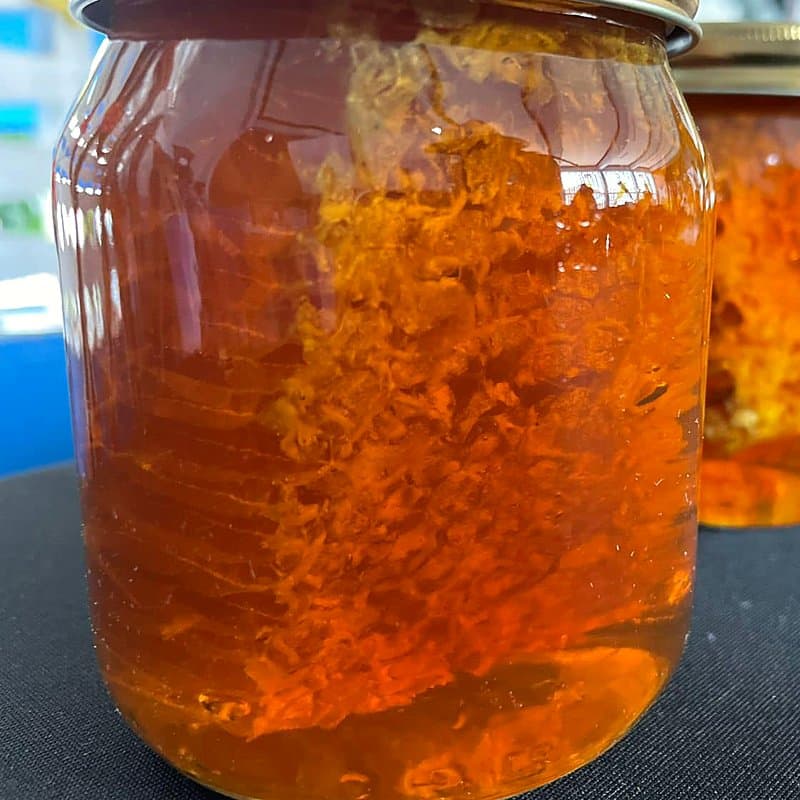
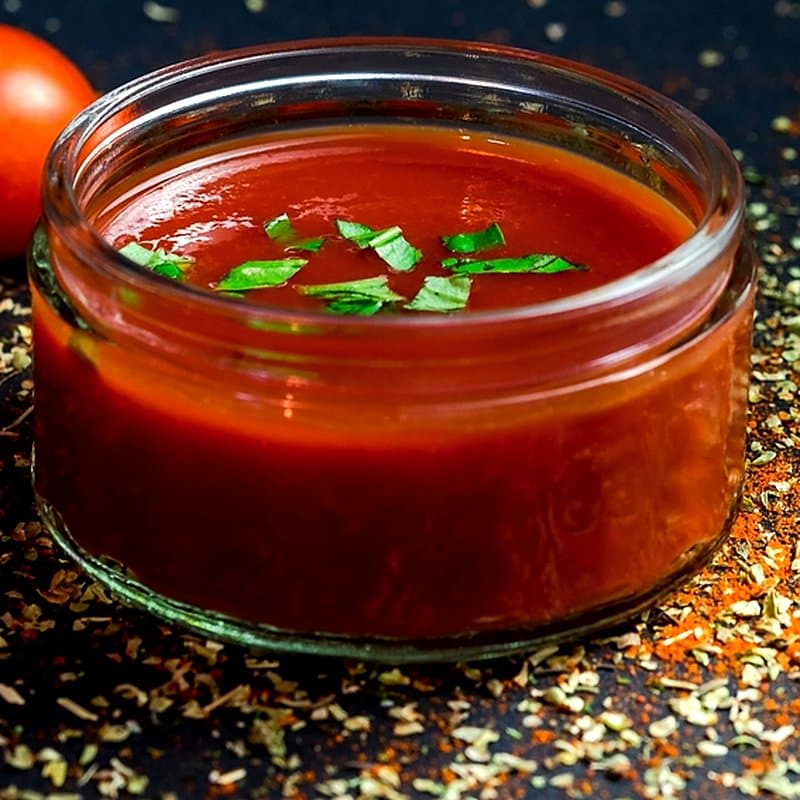
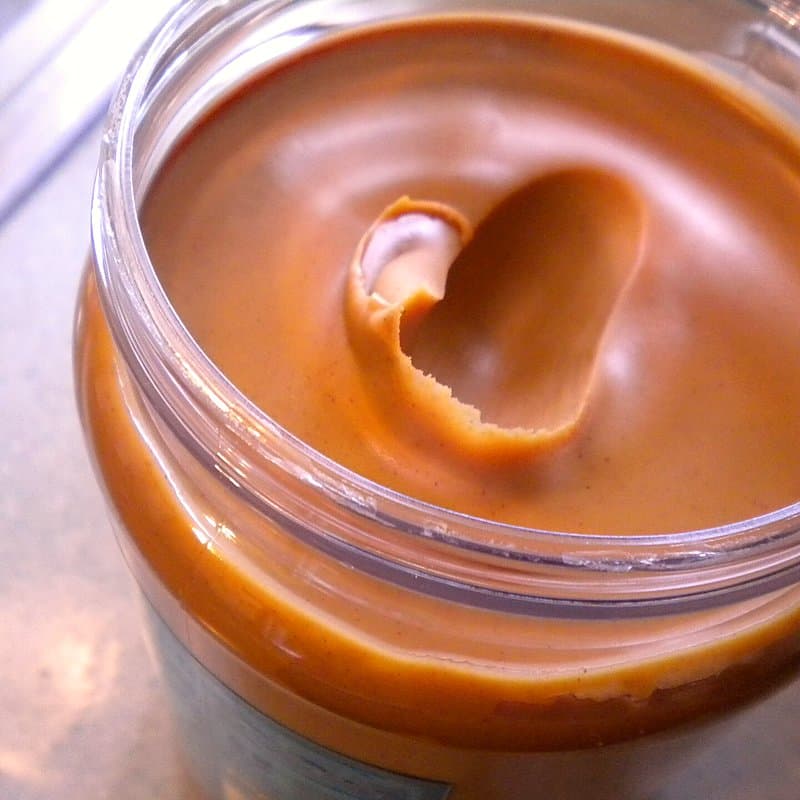
Filling honey, ketchup or peanut butter by hand with a jug or ladle is slow and messy, and no two jars come out the same. Underfill and the customer complains. Overfill and you give product away on every jar.
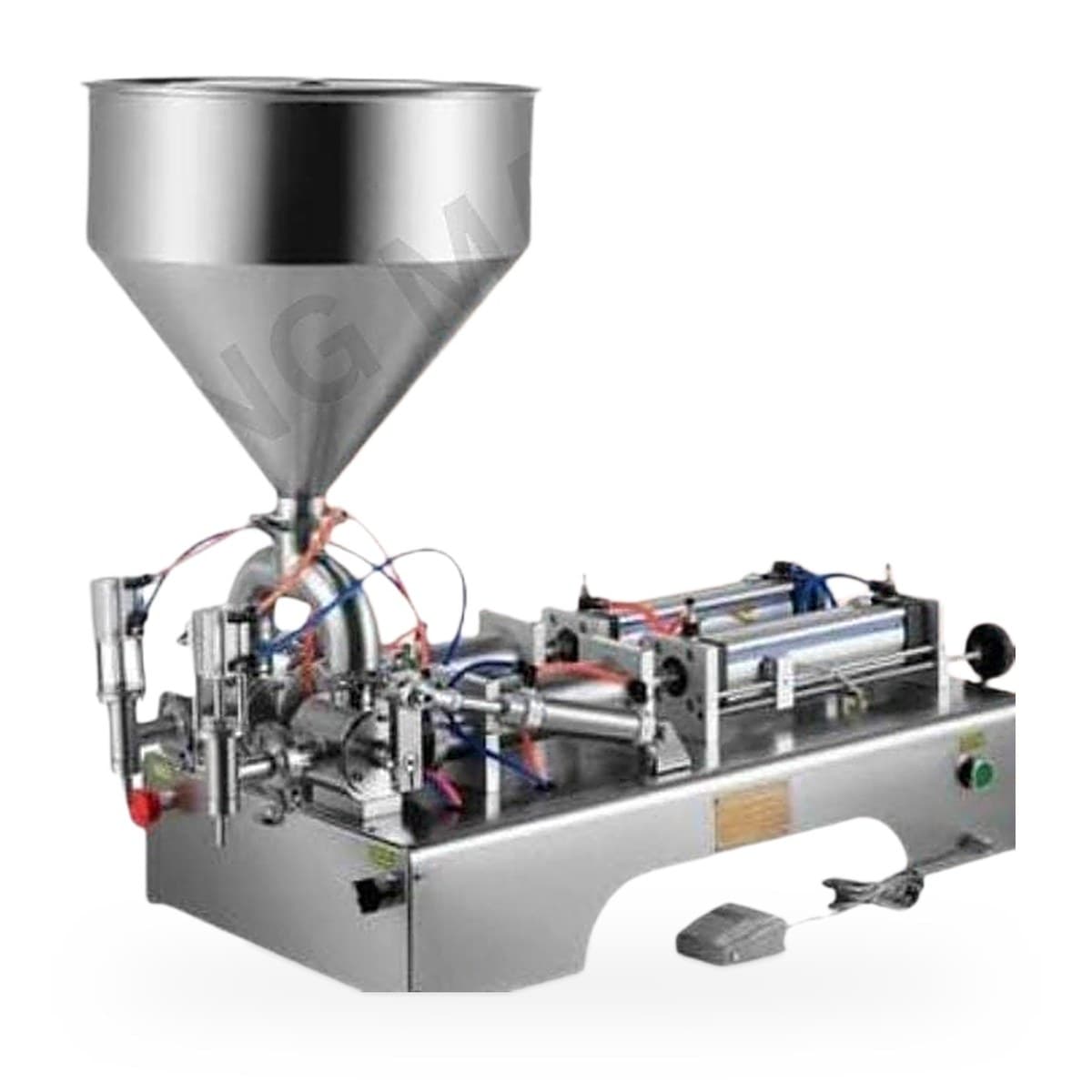
A piston filler fixes both problems. You set the volume once, place a container under the nozzle and press the pedal. The same amount goes in every time. Because it pushes product out with a piston, it handles thick, sticky products that will not pour through a simple gravity filler.
How a Piston Filler Doses
- Suck. The piston moves back and draws a measured volume from the hopper into the cylinder.
- Switch. A valve closes the hopper side and opens the nozzle side.
- Push. The piston moves forward and pushes the product out through the nozzle into the container.
The length of the piston stroke sets the volume. Compressed air does the work, so the operator only places containers and presses the pedal.
The Specifications in Plain Words
| Item | Value | What it means for you |
|---|---|---|
| Filling range | 10 to 100, 50 to 500, 100 to 1000 ml | Pick the range covering your pack sizes |
| Heads | 1 or 2 | Two heads fill two containers at once |
| Speed | 5 to 20 bottles a minute | Thicker product and bigger fills are slower |
| Accuracy | 1% | Steady fill weight on every jar |
| Air pressure | 0.4 to 0.6 MPa | You need an air compressor |
| Voltage | 220 / 110 V, 50 / 60 Hz | Runs on a normal single phase supply |
| Packing size, weight | 1120 × 340 × 330 mm, 28.8 kg | Fits on a sturdy table |
Choosing Your Filling Range
Each machine is set up for one range, so start from the packs you actually sell. A honey seller with 250 g and 500 g jars sits in the 50 to 500 ml range. A cosmetic unit filling 50 ml tubs and jars sits in 10 to 100 ml. Someone packing 1 kg sauce bottles needs 100 to 1000 ml.
Accuracy is best in the middle and top of a range. If most of your packs are at the very bottom of a range, the next smaller range may suit you better. Tell us your pack sizes and we will suggest one.
Single Head or Double Head
A single head is the usual start. One operator places a jar, presses the pedal, moves the filled jar aside and caps it. A double head fills two containers per stroke, which helps once the bottleneck is the filling itself. It also needs more hands on capping and labelling to keep up, so it makes sense only when you already have steady orders.
Think about the whole bench before choosing. With a single head, one person can usually fill and cap at a comfortable pace. With a double head, plan for a second person on lids and labels, more space for empty and filled containers, and a larger compressor supply. If those are not in place, the second head will sit idle much of the day.
Product Thickness and Speed
The 5 to 20 bottles a minute range is wide because products differ so much. Thin sauces refill the cylinder quickly. Peanut butter and thick creams take longer to draw in and push out. Large fills take longer than small ones.
- Keep honey and spreads at a steady room temperature, since they thicken when cold.
- Mix nut butters well so oil has not separated.
- Avoid large chunks and seeds, which can catch in valves.
- Let air bubbles settle out before filling, or volumes will vary.
Setup, Cleaning and Changeover
Set the air pressure within 0.4 to 0.6 MPa, set the stroke for your volume, then run a few test fills into a jar on the scale until the weight is right. The stainless hopper and body wash clean. Strip and clean the product path at the end of each day, and always between different products, especially when moving from food to cosmetic work or from a strong flavour to a mild one.
- Drain the hopper and run warm water through the product path until it runs clear.
- Take out and wash seals and valve parts as shown during setup, then dry them fully.
- Check seals for cuts or swelling. A worn seal is the usual reason fills start to drift.
- Drain water from the compressor and air line as per the compressor’s instructions.
- Keep a simple log of date, product, batch and who cleaned the machine.
A cleaning log feels like extra paperwork in a small unit. For honey, sauces and especially cosmetic or pharma pastes, it is often the first thing a buyer or inspector asks to see.
Around the Filler: Capping, Coding, Packing
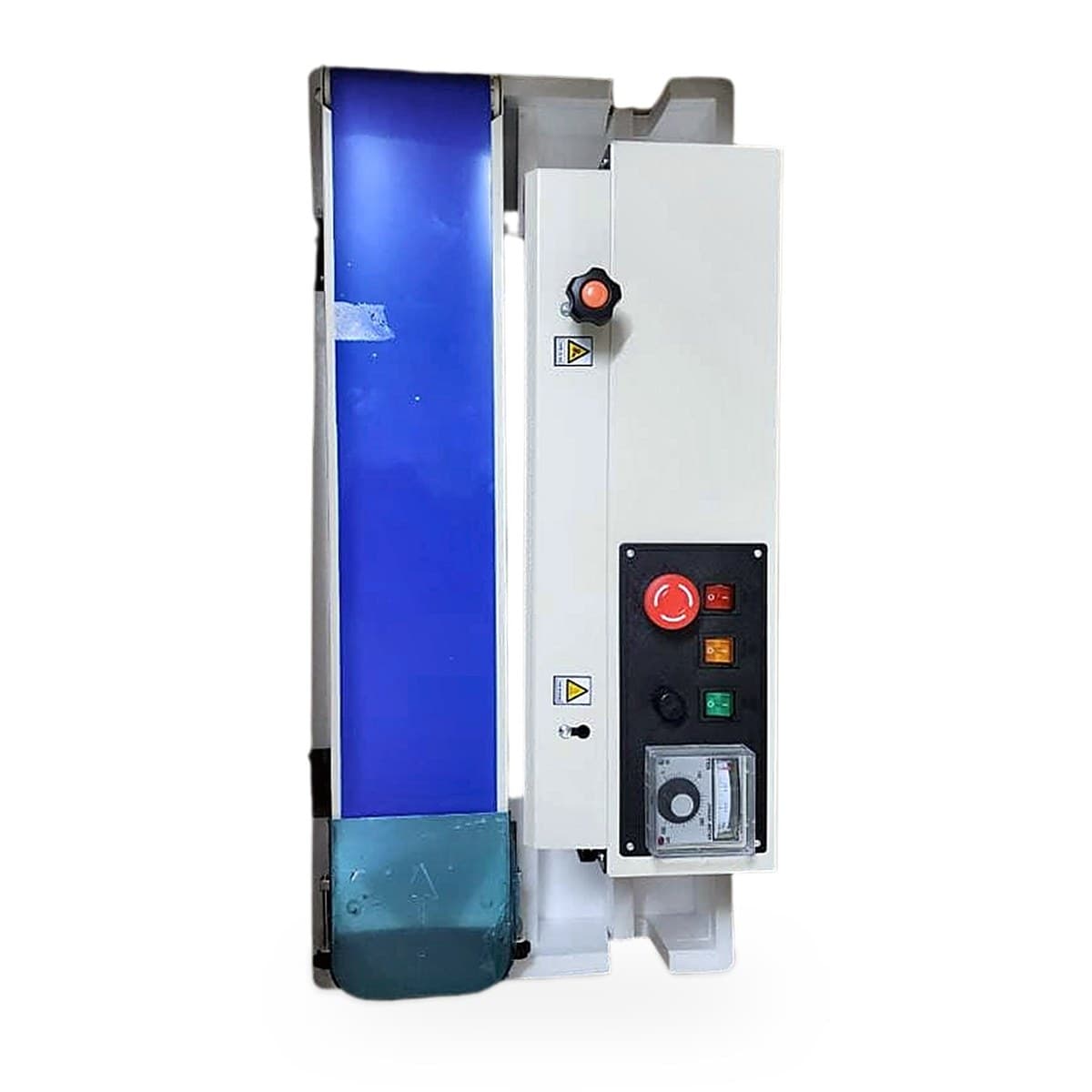
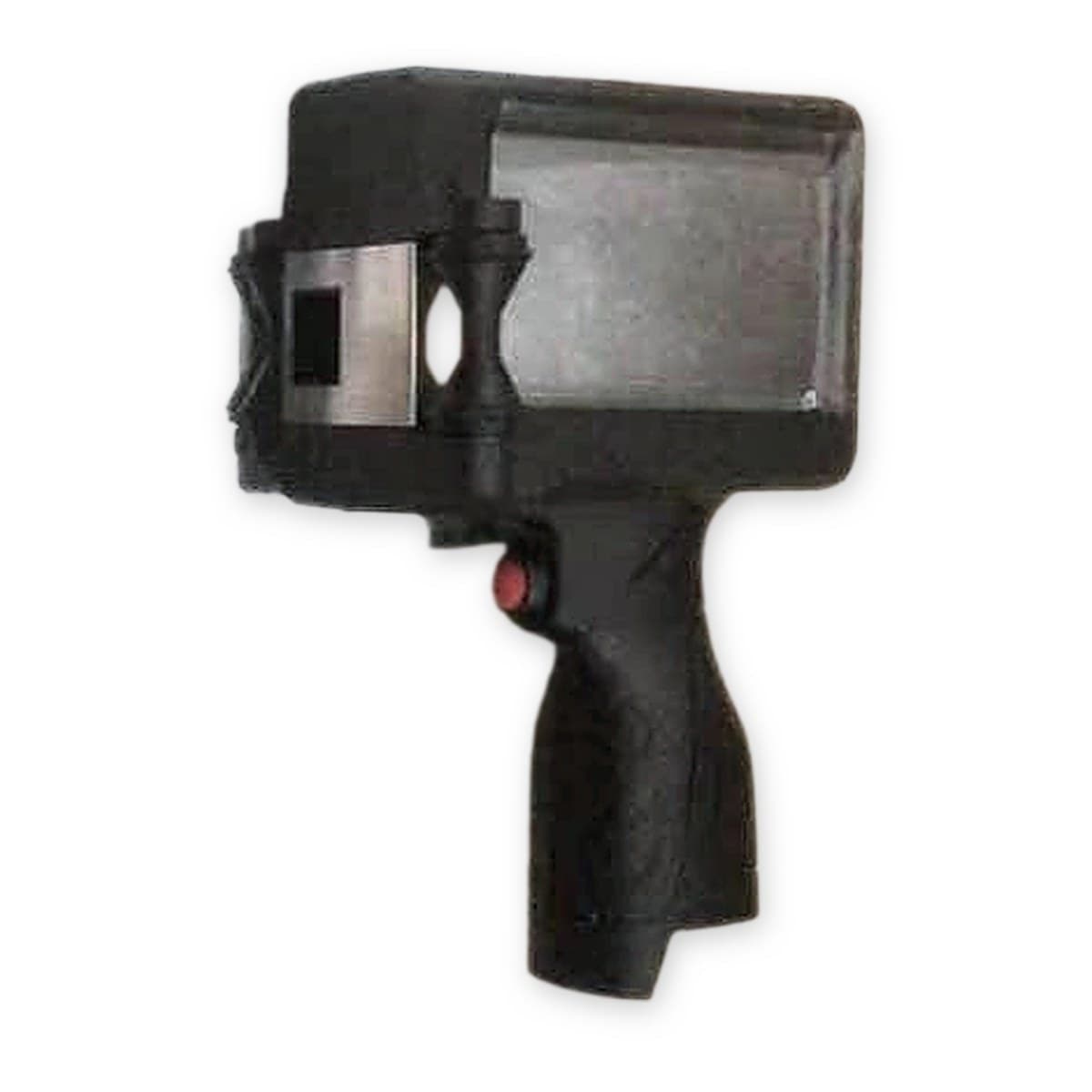
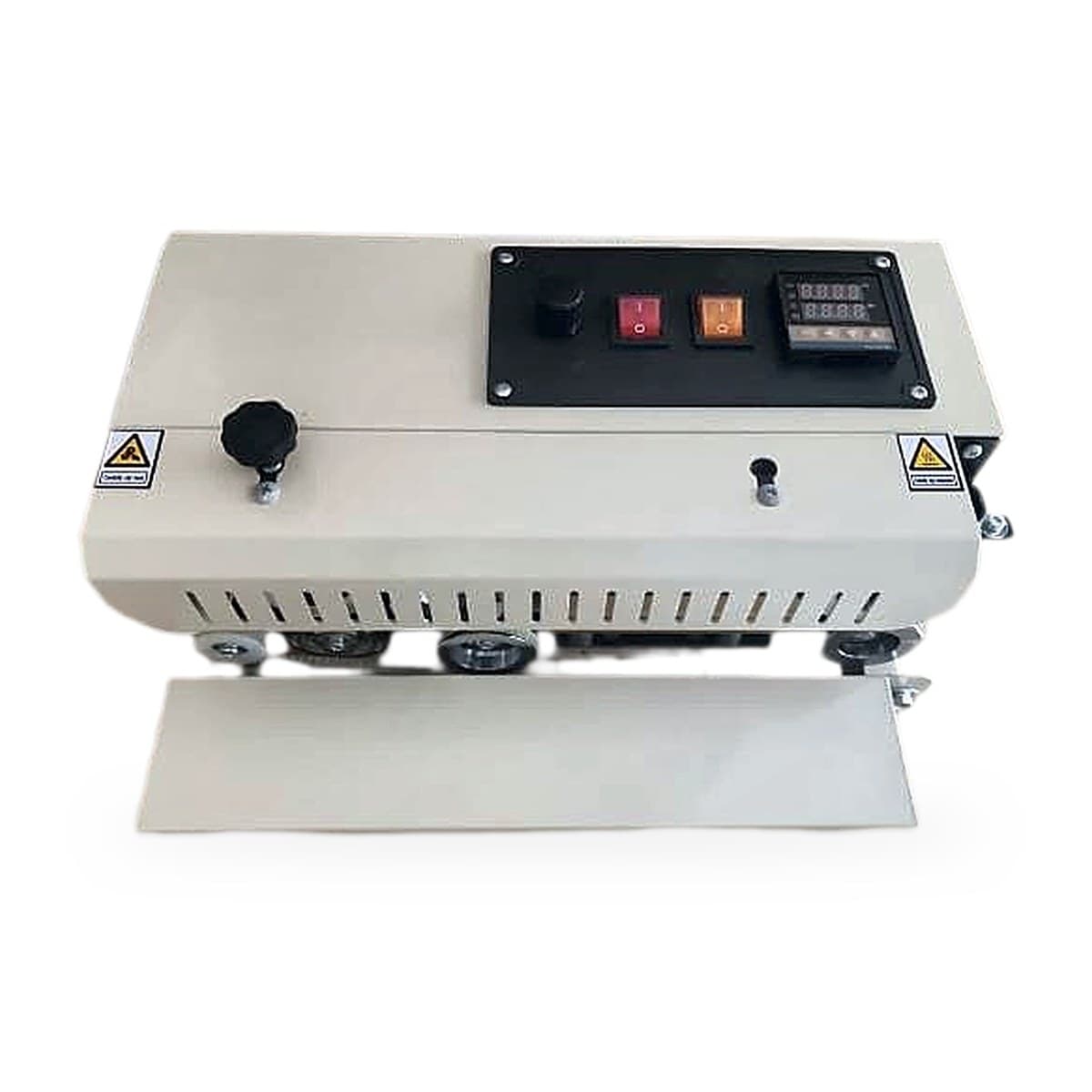
After filling, the jar is capped, labelled and coded. A handheld inkjet printer for batch coding prints date, MRP and batch on jars and cartons. If you also sell refill pouches, a band sealing machine for pouches or the compact SS body continuous band sealer closes them.
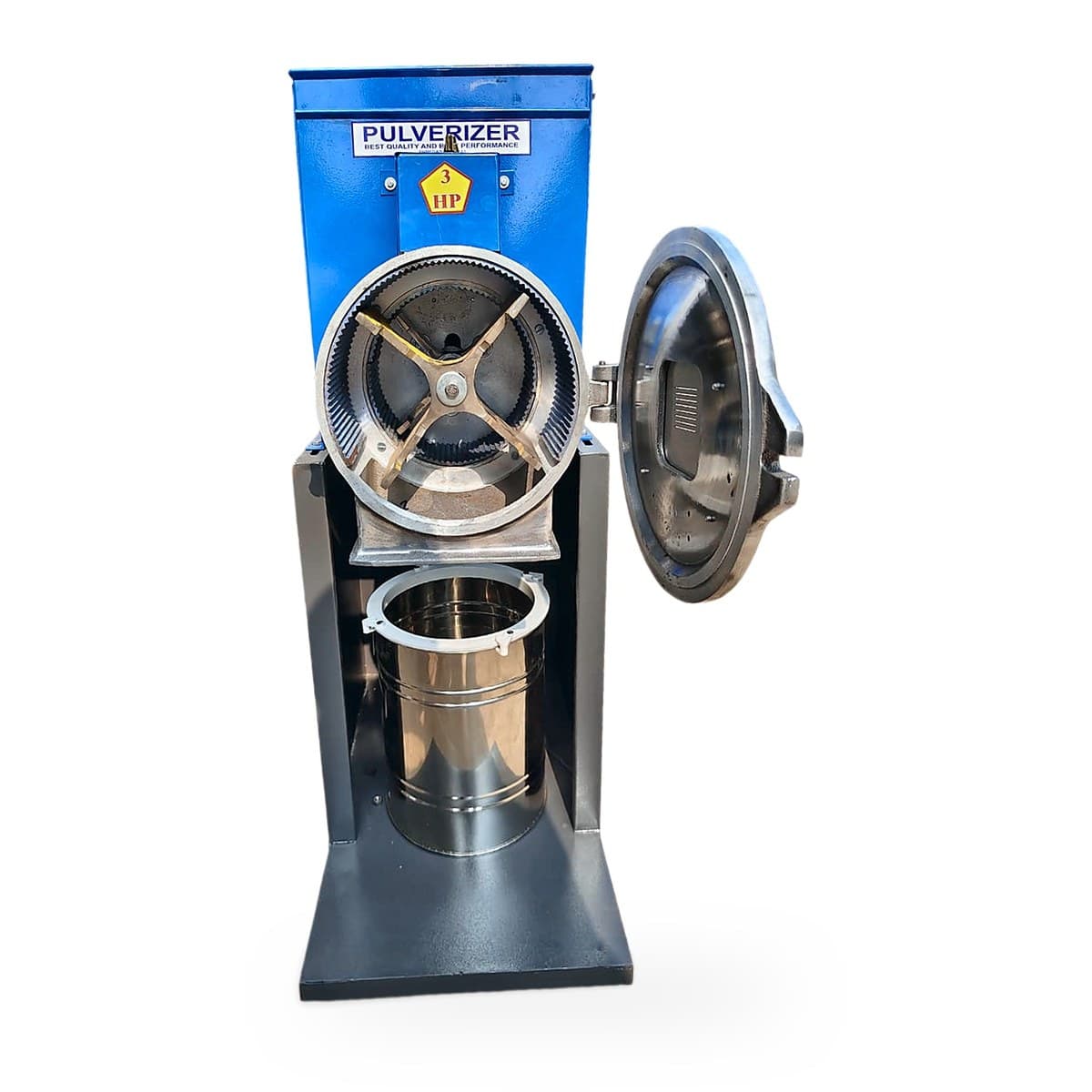
Paste makers often grind their own spices for sauces and chutneys on a 3 HP masala pulverizer. Packed food and cosmetic products in India have registration and labelling requirements that depend on product, state and turnover, so check what applies to you with the relevant department before you start selling.
Short Mein Samjhiye (Hinglish Summary)
Pneumatic paste filling machine hawa ke pressure se piston chalaati hai aur har bottle mein ek jaisi matra bharti hai. Honey, sauce, peanut butter, cream aur paste ke liye hai. 10 se 1000 ml tak teen range, 1 ya 2 head, 5 se 20 bottle per minute, aur 1% tak accuracy.
Isko chalane ke liye air compressor chahiye. Pair se pedal dabate hain. Apne pack size ke hisaab se range chuniye. Price ke liye WhatsApp par message kijiye.