What the SS Body Band Sealer Is
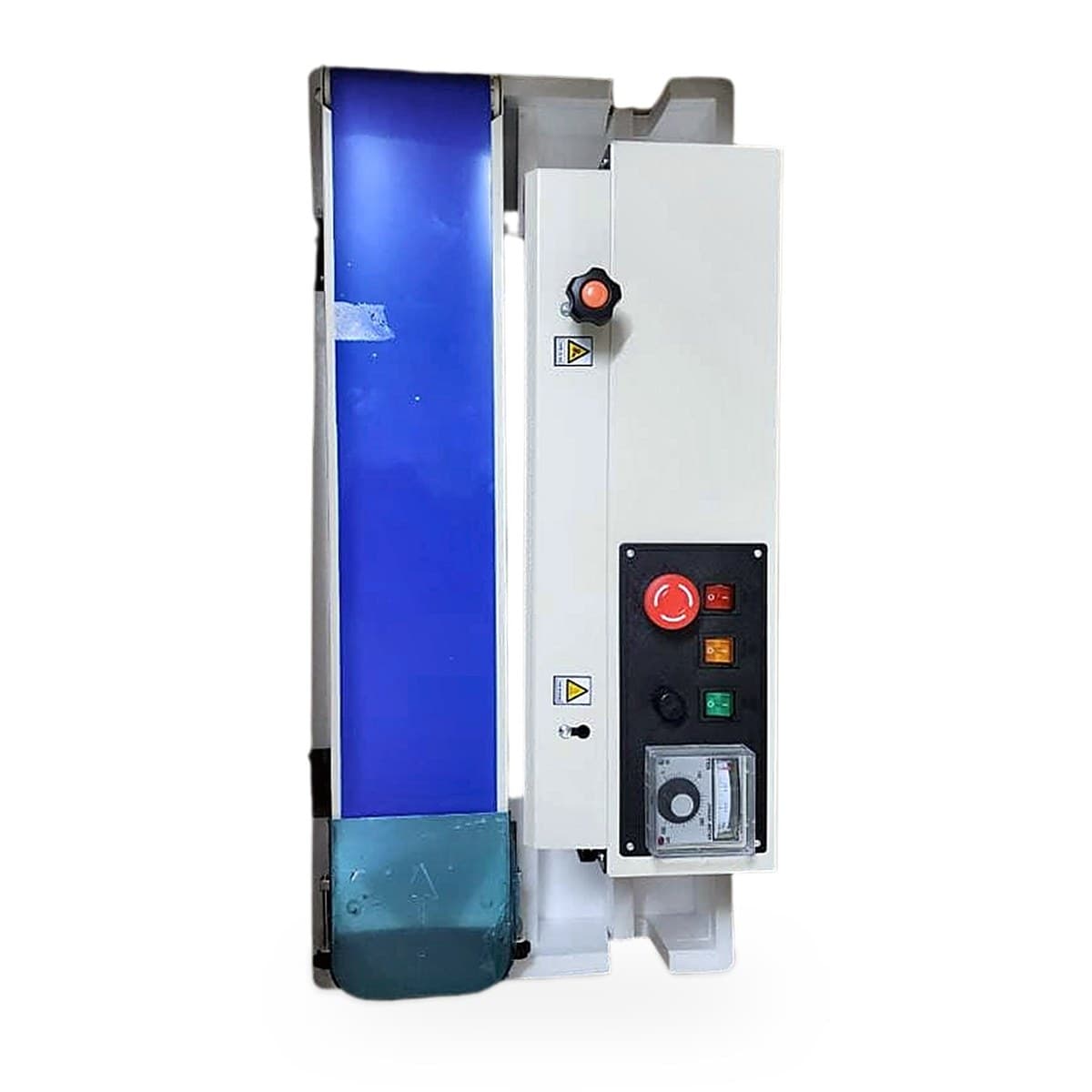
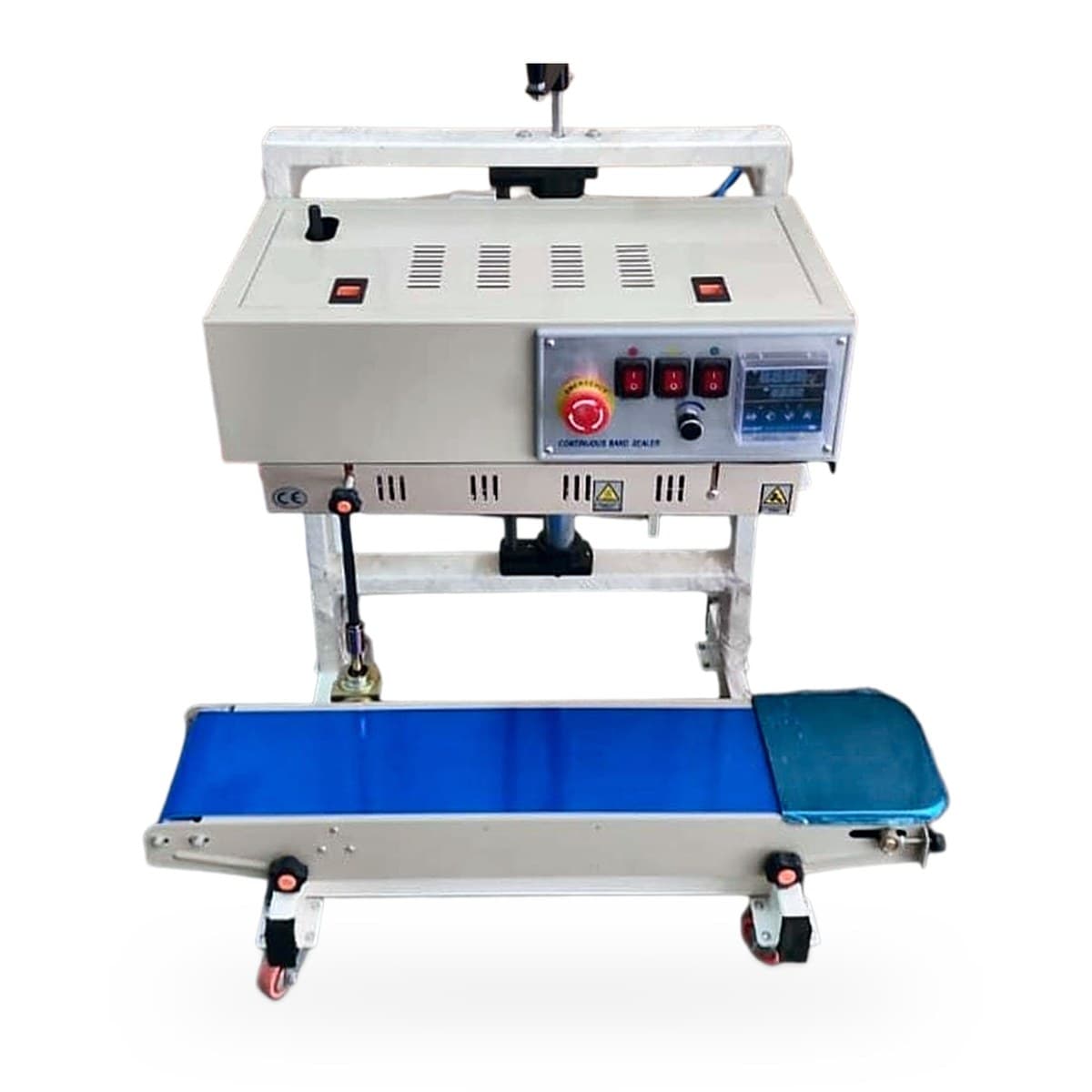
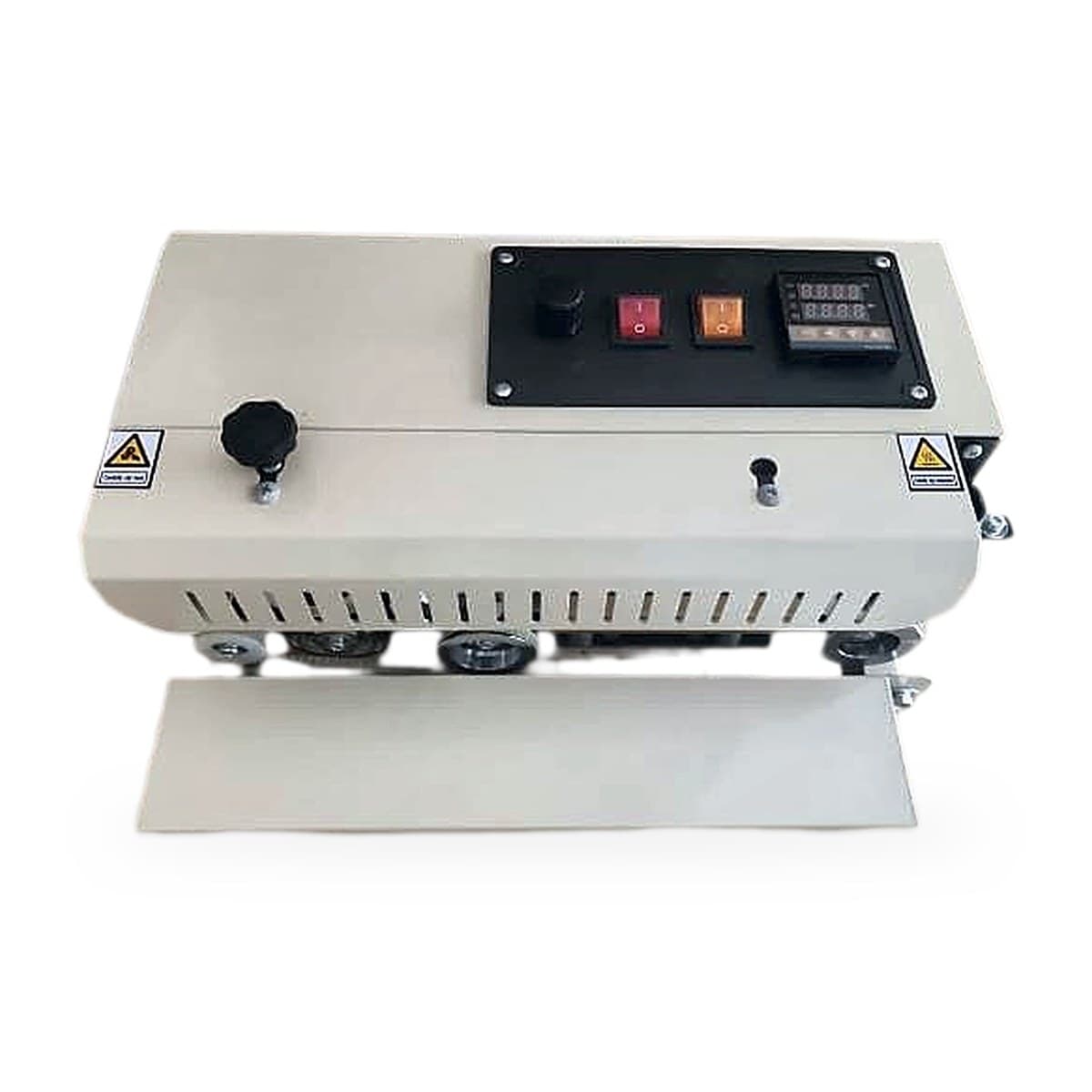
This is a band sealer built to sit on a table. The working parts are the same as any continuous band sealer: two moving bands grip the pouch mouth, carry it past heating blocks where the film fuses, then past cooling blocks where the seal sets flat. A small conveyor under the pouch keeps it moving.
What sets this model apart is the housing and the control. The body is stainless steel, and heat is set on a digital controller instead of a plain knob.
Who It Suits
- Dry fruit, sweets and namkeen shops that pack loose stock into branded pouches.
- Home-based and small food units packing masala, papad, snacks or tea.
- Small packing lines that need a clean, compact sealer at the end of a filling table.
If customers can see your packing area, a steel machine also looks right. That sounds minor, yet in a sweets or dry fruit shop the counter is part of the brand.
It also suits seasonal work. Many shops pack heavily before Diwali, Raksha Bandhan and wedding season, when dry fruit and sweet boxes move fast, and then pack lightly for the rest of the year. A table-top sealer can be lifted off the counter and stored when the rush is over, then set up again in minutes. Small units that pack for other brands on job work also like a machine that can be moved between tables as orders change. Because settings are digital, the numbers you used last season are still on your card when you start again, and you do not have to rediscover them by trial.
Why a Stainless Body Matters for Food
Food packing is dusty and sometimes oily work. Masala powder settles on every surface, and snacks leave a film of oil. A painted body slowly chips and rusts around the heating area. Stainless steel does not, and it can be wiped down at the end of each day.
Packed food in India comes with hygiene, registration and labelling requirements that differ by product, state and turnover. A steel machine helps keep the area clean, but it does not replace those requirements. Check with the relevant department what applies to your unit.
Using the Digital Temperature Controller
A digital controller shows the temperature as a number. That makes one practical difference: once you find the right setting for a pouch, you can repeat it exactly the next day, or hand it to a new operator.
- Switch on and let the machine reach the set temperature before feeding pouches.
- Seal a few empty pouches from the new lot.
- Pull each seal apart. If it peels, raise the setting a little. If it looks shrunk or burnt, lower it.
- When the seal tears the film instead of peeling, note that number for that pouch.
Setting Up a Counter Packing Station
| Position | What goes there |
|---|---|
| Left | Bulk product, empty pouches, funnel and scoop |
| Centre | Weighing scale |
| Right | This sealer, feeding left to right |
| End | Tray for sealed packs, then coding and cartons |
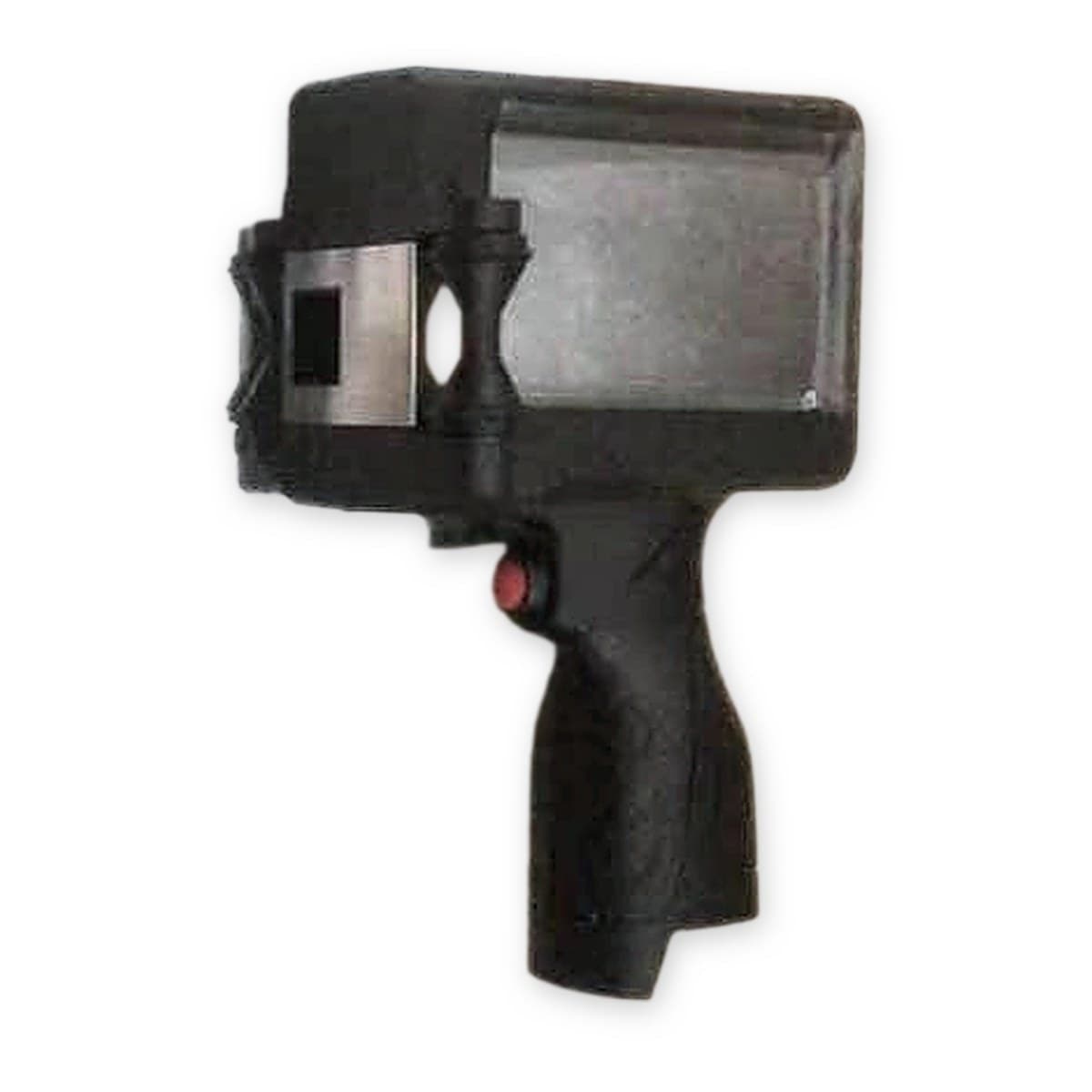
For date, MRP and batch printing, a handheld inkjet batch coding printer fits this kind of station because it needs no conveyor. If you also sell jarred products such as honey or sauces, a pneumatic paste filling machine can sit on the same bench.
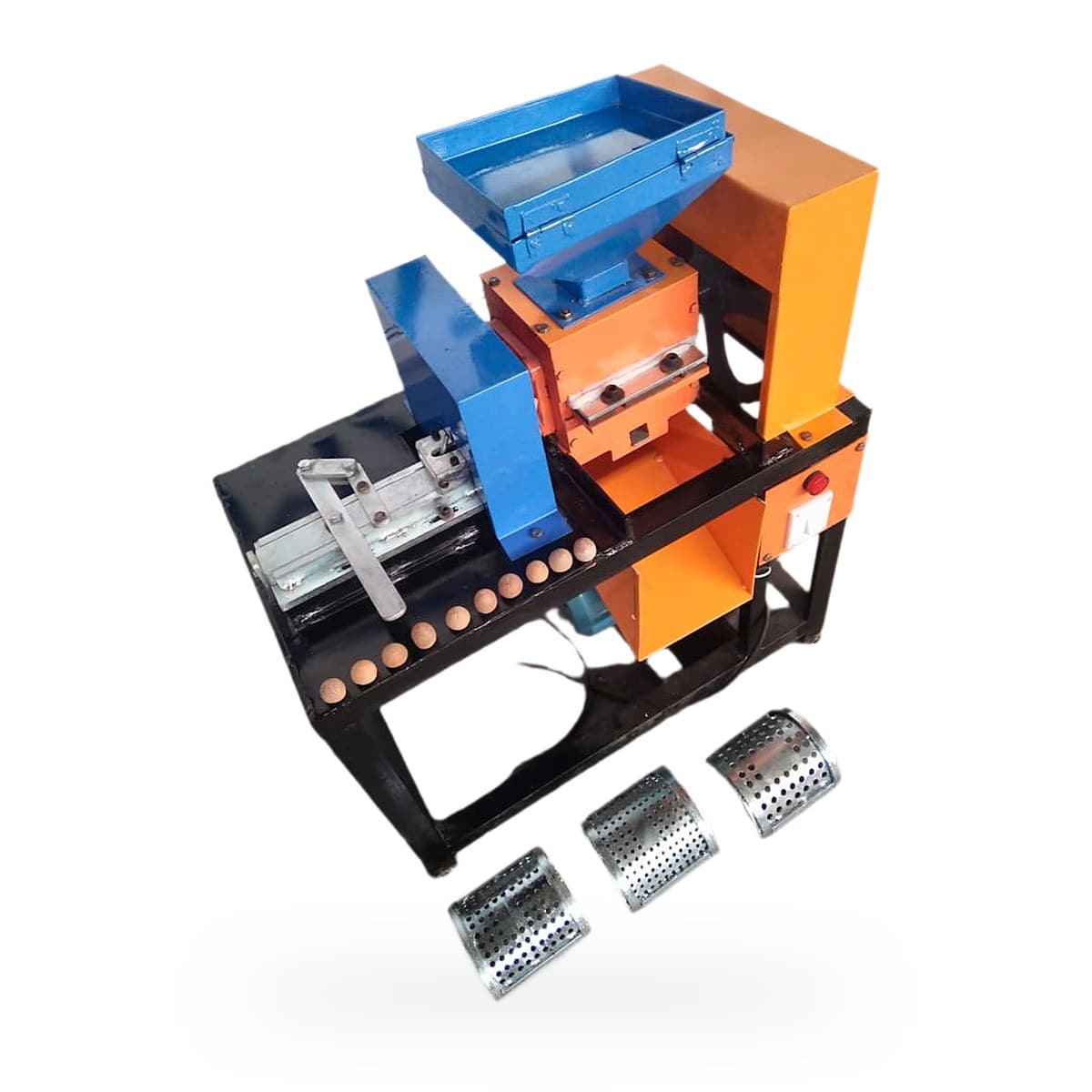
Many shops grind their own masala before packing. A blower type masala pulverizer feeding a packing table with this sealer is a common small setup. Supari sellers often pair it with a supari cutting machine.
Daily Care and Cleaning
- Switch off and let the heating area cool before any cleaning.
- Wipe the steel body with a dry or lightly damp cloth. Never pour water on the machine.
- Brush powder and crumbs away from the bands and conveyor.
- Check the bands for wear or stuck film. A damaged band gives a patchy seal.
- Keep the machine away from steam and wet washing areas.
- Cover the machine with a clean cloth when it is not in use, so dust does not settle on the bands.
- Check the power cord and plug every month for heat marks or loose wires.
Common Seal Faults and Fixes
| Problem | Likely cause | What to do |
|---|---|---|
| Seal peels open easily | Temperature too low for the film | Raise the setting a little and test again |
| Seal looks shrunk or burnt | Temperature too high | Lower the setting step by step |
| Small leaks in one spot | Powder or oil inside the pouch mouth | Use a funnel and wipe the mouth before sealing |
| Wrinkled seal | Pouch fed at an angle or overfilled | Leave space at the top and feed the mouth straight |
| Good seals turn bad suddenly | New pouch lot or worn band | Retest the pouch and inspect the bands |
Change one thing at a time. If you raise the heat and clean the pouch mouth together, you will not know which one fixed the problem, and the same fault will come back the next time you change pouch supplier. A short trial of five empty pouches costs almost nothing compared with a carton of leaking packs that comes back from a shop.
SS Body, Standard or Heavy Duty?
The standard band sealing machine for pouches has adjustable speed, temperature control and an emergency stop for general pouch packing. The heavy duty band sealer is floor-standing with its own conveyor stand and castor wheels for heavier pouches and bags. Choose this SS body model when you want a compact, easy-to-clean sealer for a counter or small food room.
Short Mein Samjhiye (Hinglish Summary)
Yeh table par rakhne wali band sealing machine hai, steel body aur digital temperature controller ke saath. Pouch belt par chalta hai aur seal hokar nikalta hai. Dukaan, chhoti food unit aur packing line ke liye theek hai.
Har pouch ke liye sahi temperature note kar lijiye, pouch ka munh saaf rakhiye, aur roz machine thandi karke kapde se saaf kijiye. Detailed specification request par milti hai. Price ke liye WhatsApp par message kijiye.