What the Machine Does
Rolling papad and puri by hand is slow, and the thickness changes with every worker and every hour. This machine takes over the two jobs that decide quality: rolling the dough to an even thickness and cutting every piece to the same size. Kneading, drying and frying stay with your team, which is why it is called semi-automatic.
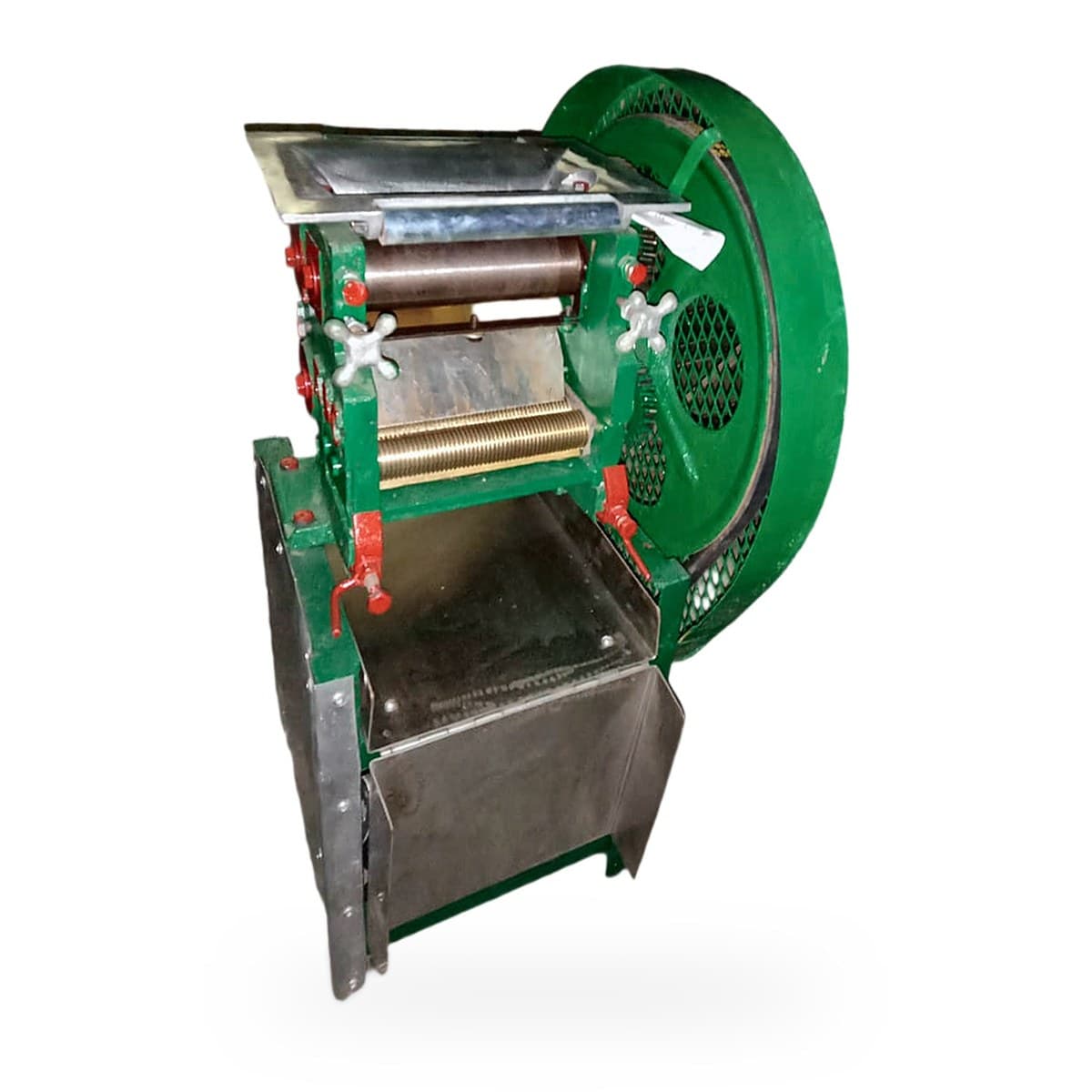
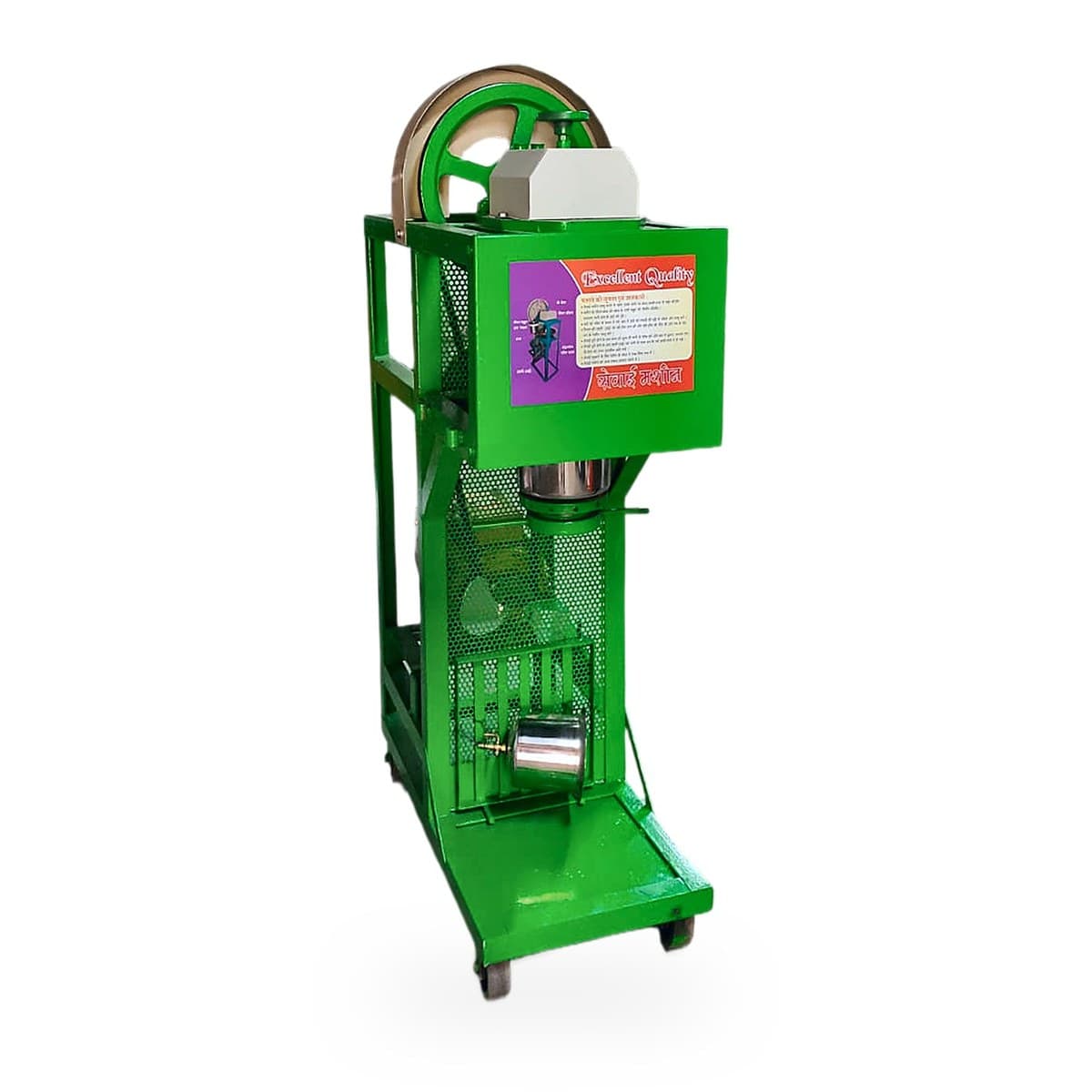
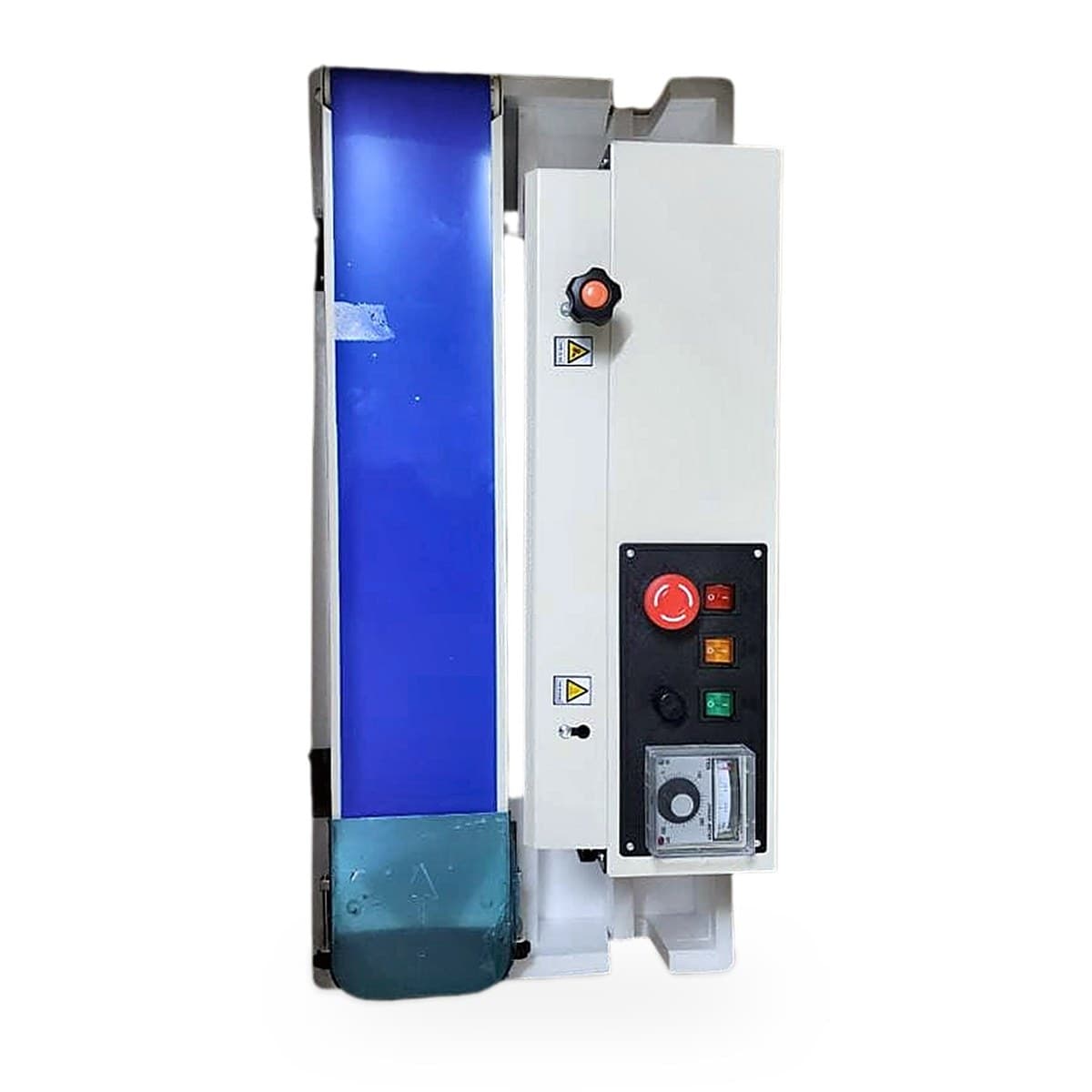
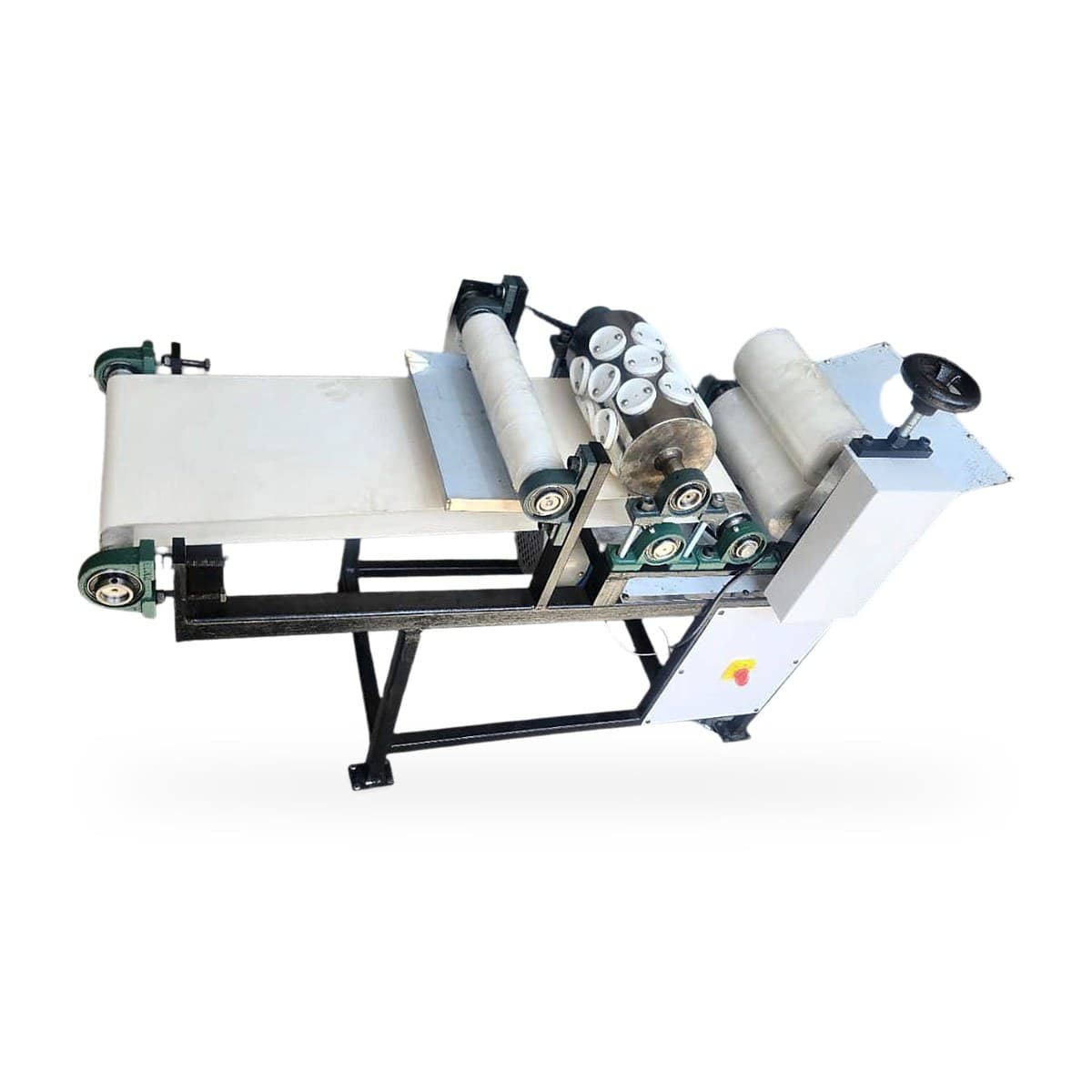
The body is food grade SS or MS on a steel stand. At the feed end sit the sheeting rollers with a hand wheel to set the gap. Next comes the cutting roller with its round cutters, and then a white conveyor belt that carries the cut pieces to the collection end. The papad model measures 44 x 16 x 30 inch, and the machines weigh 90 to 120 kg.
Four Products, One Machine
| Product | Output per hour |
|---|---|
| Papad | 500 – 600 |
| Pani puri | 3000 – 4000 |
| Shakkar para | 5000 – 6000 |
| Samosa patti | 400 – 500 |
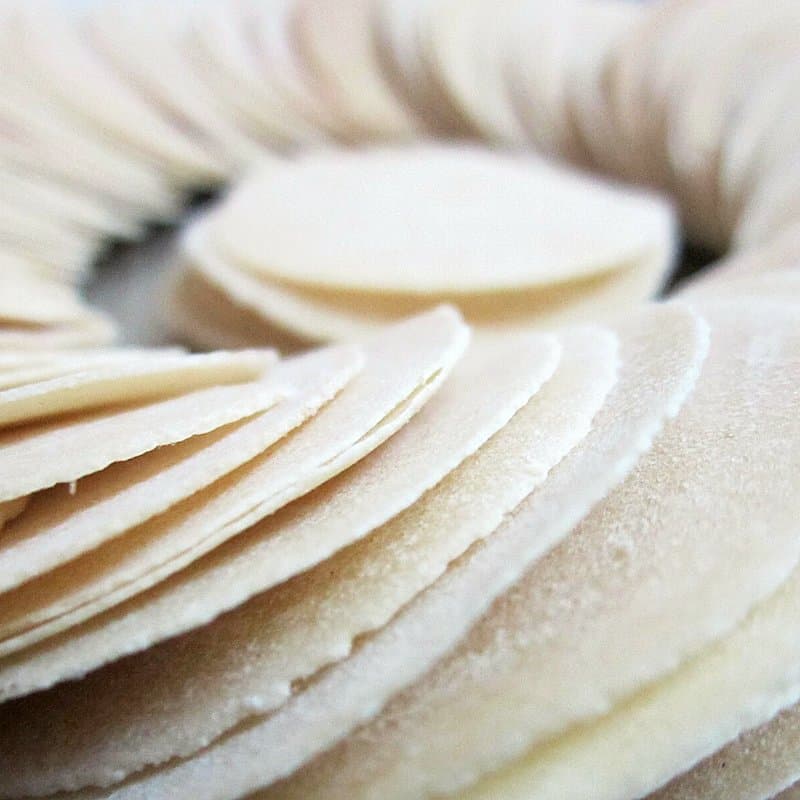
The counts differ because the pieces differ. A papad is a large disc, so fewer fit across the sheet. A pani puri is small, and shakkar para pieces are smaller still. Samosa patti is a long strip. Tell us which products you plan to make so the right model and cutters come with the machine.
From Dough Ball to Cut Pieces
- Set the gap. Turn the hand wheel to set the sheet thickness for your product.
- Feed the dough. A flattened lump of rested dough goes into the sheeting rollers.
- Sheet. The Teflon rollers press it into an even sheet.
- Cut. The cutting roller stamps shapes out of the sheet.
- Convey. Pieces travel along the belt to the collection end.
- Collect and reuse. Pieces go onto trays and leftover dough is kneaded back in.
Dough Is Where Quality Starts
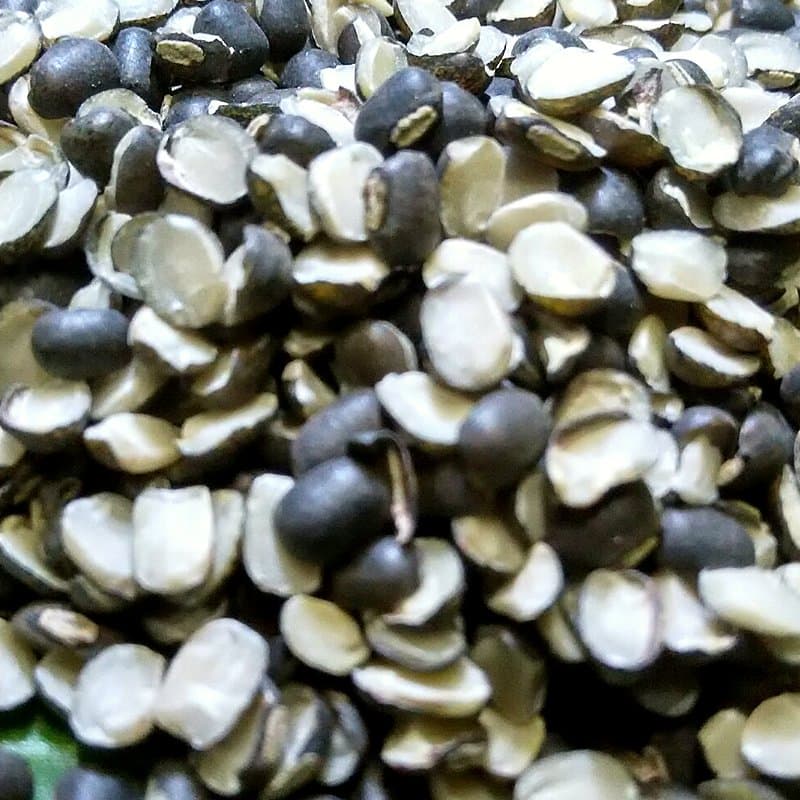
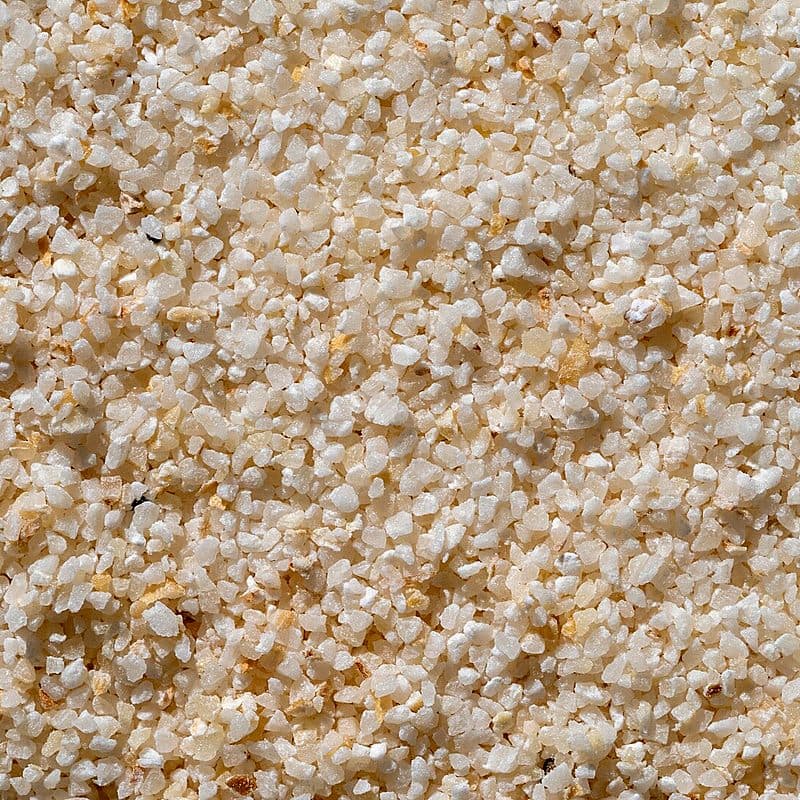
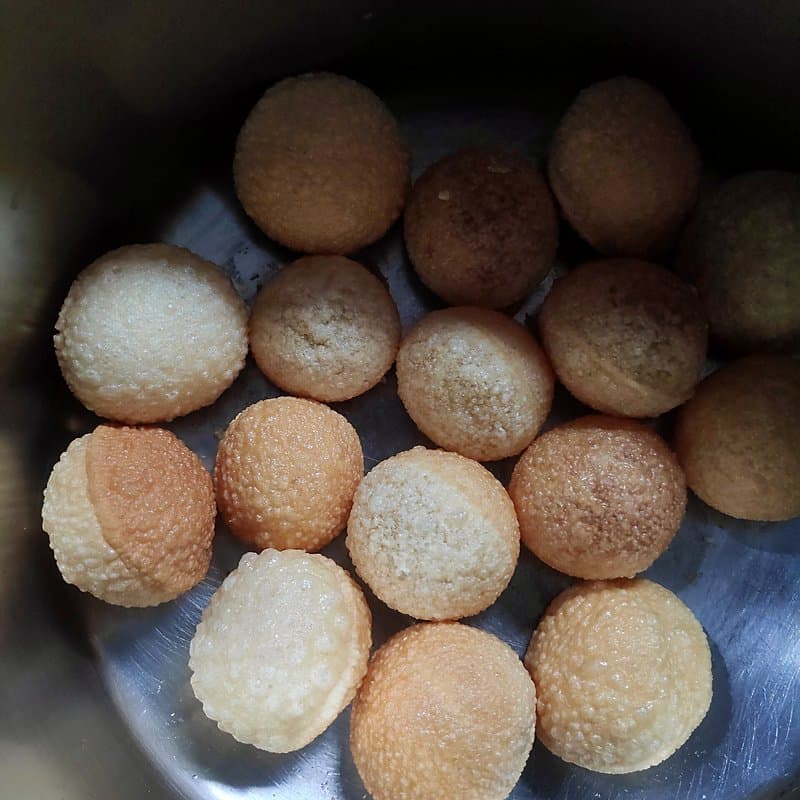
The machine is only as good as the dough you give it. Papad is usually made from urad dal flour with salt and spices. Pani puri dough is commonly sooji with some maida. Every unit has its own recipe, and that recipe is your brand.
- Consistency. Too soft and it sticks or tears. Too hard and it cracks at the edges.
- Rest time. Rested dough sheets more smoothly than dough used straight away.
- Same batch, same result. Weigh flour and water every time. Guesswork shows up as uneven puffing.
- Keep it covered. Dough that dries on the surface tears on the roller.
Drying and Frying After the Machine
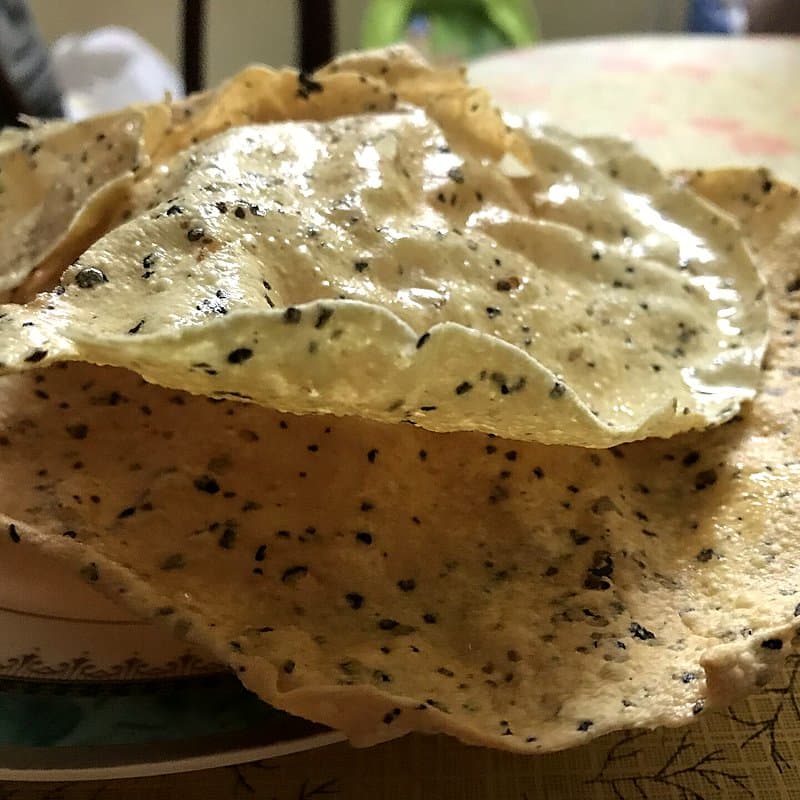
Papad must be dried before packing. Units dry on clean trays or nets, in shade or in a drying room, until the papad snaps rather than bends. Damp papad goes mouldy in the pack.
Pani puri is usually partly dried and then fried. The puff depends on even thickness, which the machine gives you, and on clean oil at a steady temperature, which your kitchen controls. Shakkar para and samosa patti follow their own frying or cooking routine. Plan your drying and frying capacity to match what the machine produces, or the trays will pile up.
Do You Need the Speed Controller?
A VFD is an electronic speed controller for the motor. It is optional and charged extra. It helps when you switch between products, because large papad sheets and small puri pieces often run best at different speeds, and a new operator can learn at a slower speed first. If you will make only one product at a steady pace, you can do without it.
Setting Up a Small Snack Unit
- Space. Floor room for the machine plus a table at the conveyor end for trays.
- Power. The 0.5 HP motor needs only a normal supply point with proper earthing.
- Hygiene. Washable floor and walls, covered dough and a clean drying area.
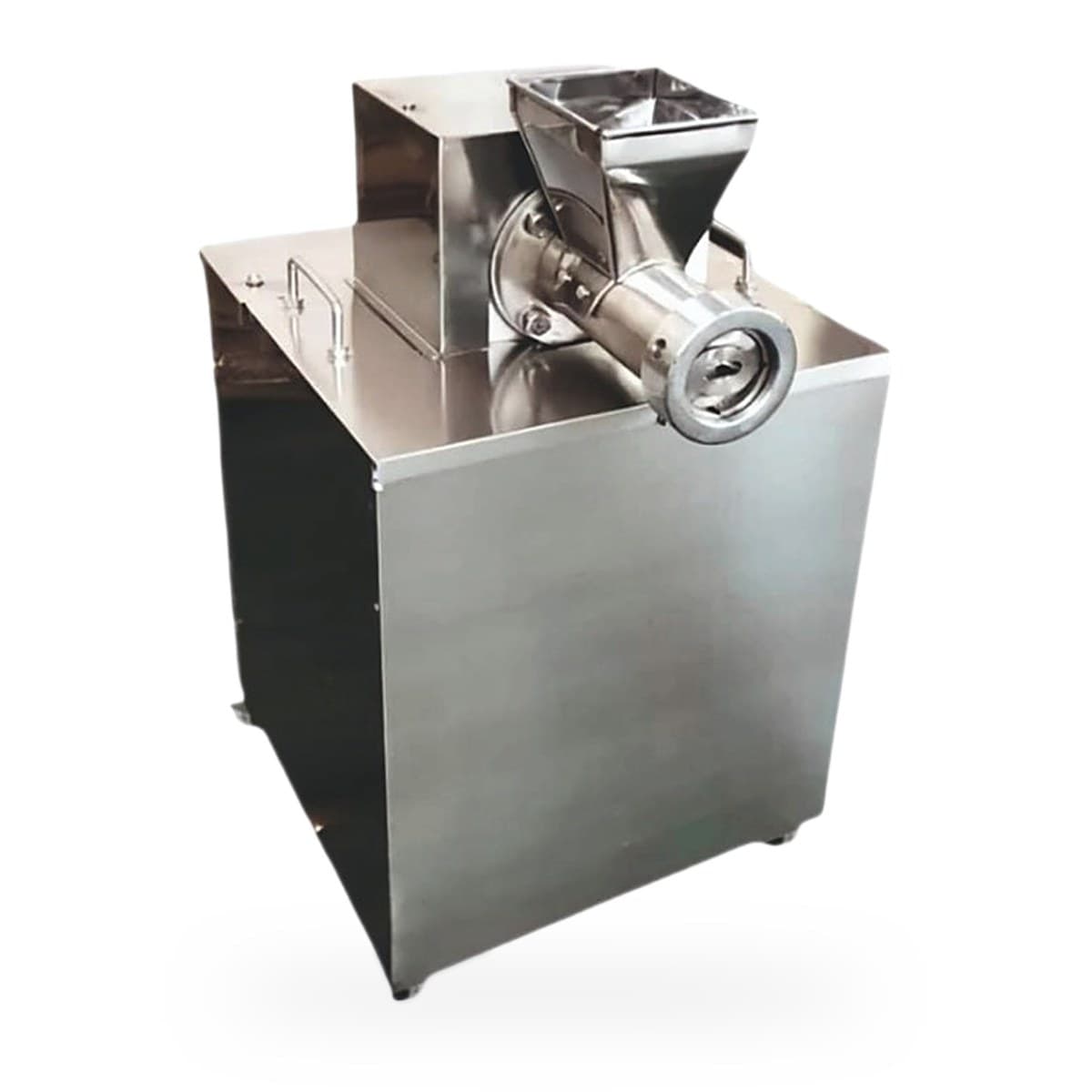
- Packing. A weighing scale and a sealer. A band sealing machine for pouches suits papad and puri packs.
Many snack units add more lines over time. Common next steps are a pasta and macaroni making machine, a mini noodle making machine that also uses sheeting rollers, and a masala pulverizer to grind your own spice for masala papad.
Cleaning and Care
Train two people on the machine so production does not stop when someone is on leave. The operator at the feed end controls the dough and the roller gap, and the person at the conveyor end checks each piece and lifts the trays. Swap them now and then so both learn both jobs. In the first week, keep the speed low and the batches small while the team learns how your dough behaves on the rollers. Keep a sample of good papad and good puri beside the machine, so every new batch can be compared against it before the trays go to drying or frying.
Clean the rollers, cutters and belt at the end of every day. Dough dried on the Teflon roller is harder to remove the next morning and marks the sheet. Use a soft scraper, never a knife, on the Teflon surface. Keep the bearings clean and lubricated, check the belt tension, and keep water away from the motor and drive. Warranty is available on the gear box, AC drive and AC motor. For price and a demo video, send us a message with the products you want to make.
Short Mein Samjhiye (Hinglish Summary)
Yeh semi-automatic machine aate ko 6.5 inch ke Teflon roller se barabar sheet mein dabati hai, cutting roller se shape kaatti hai aur conveyor par aage bhejti hai. Ek hi machine se papad, pani puri, shakkar para aur samosa patti bante hain. Ghante mein 3000 se 4000 pani puri ya 500 se 600 papad, sirf 0.5 HP motor par.
Aata goondhna, papad sukhana aur puri talna aapki team karegi. Aata hamesha naap kar banaiye, thoda rest dijiye, aur papad poori tarah sookhne ke baad hi pack kijiye. Speed controller (VFD) aur installation alag charge hote hain, GST 18% extra. Price aur demo video ke liye WhatsApp kijiye.