What Is a Sevai Making Machine?
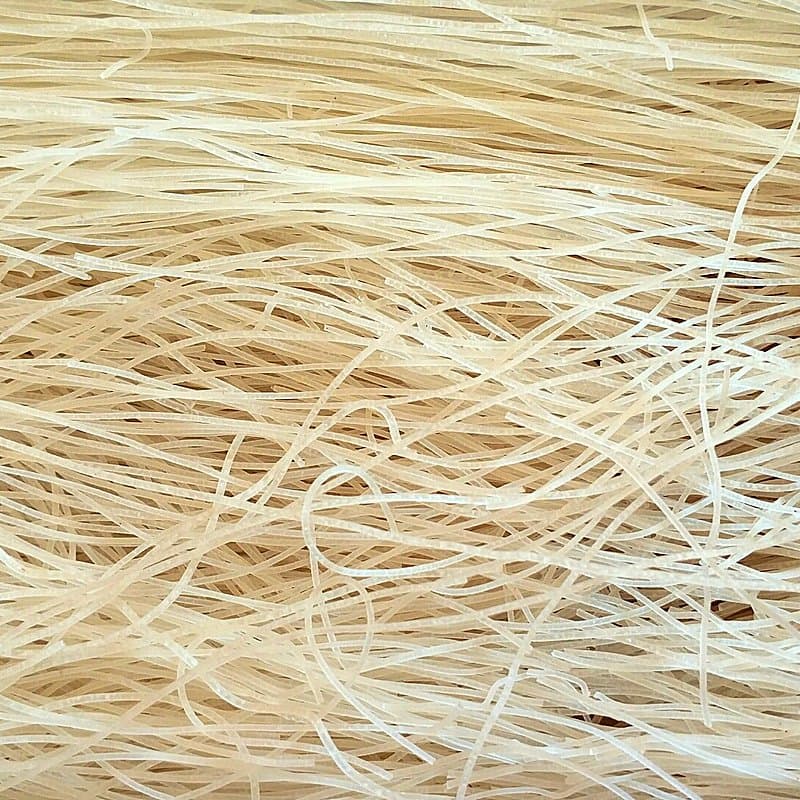
Sevai, also called seviyan, semiya or vermicelli, is eaten across India in kheer, upma and sheer khurma. Demand rises sharply around Eid, Diwali and the wedding season, and a lot of it is still made in small units that sell to local shops and sweet makers. A sevai machine is the core of such a unit.
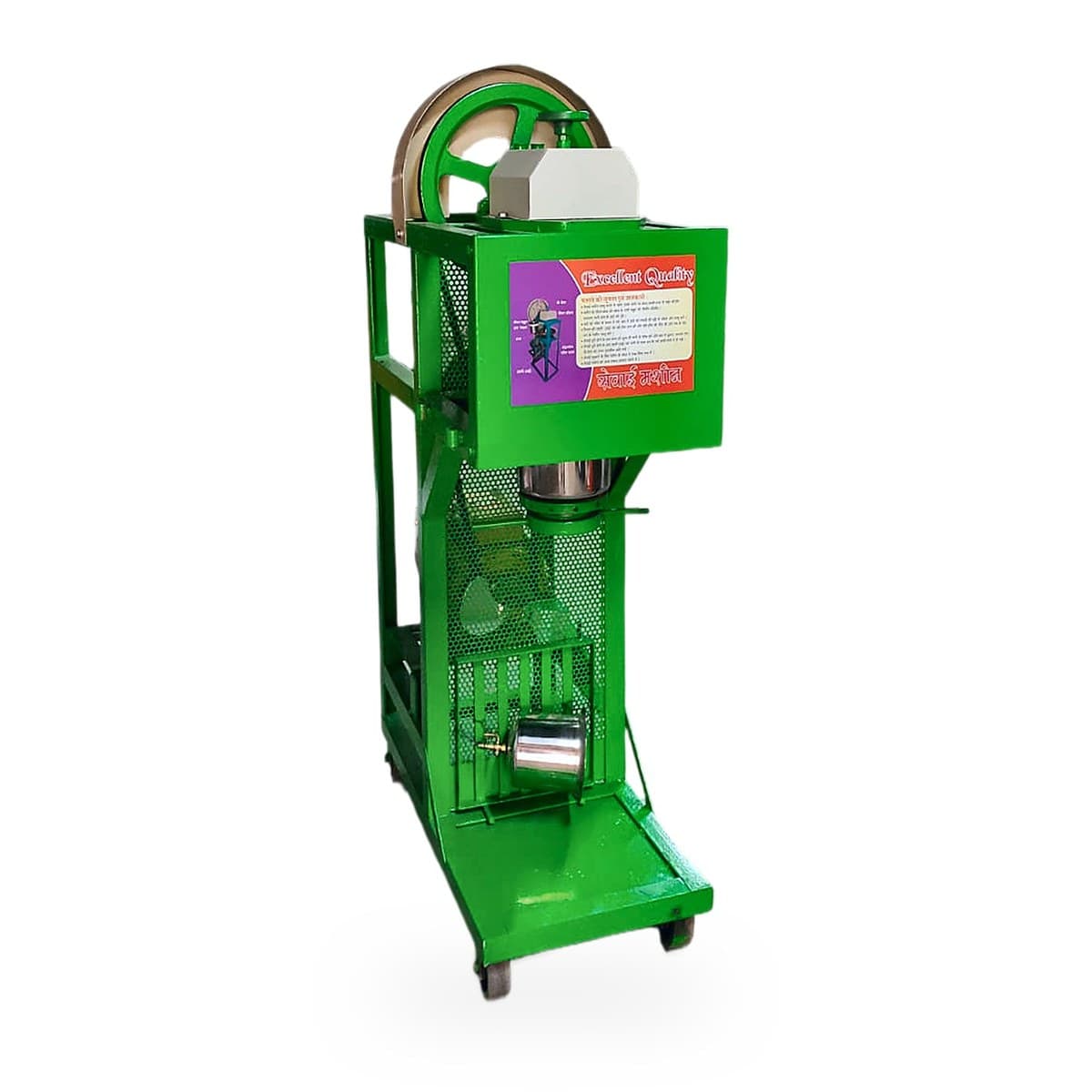
The machine in our photo stands on a green frame with wheels. A large pulley at the top is driven by the motor in the base. Below the drive housing is a stainless steel barrel that holds the dough, with the die at its lower end, and a stainless bowl catches what comes out. The sides are covered with mesh guards. It weighs about 110 kg, so it is heavy enough to stay steady while working and still movable on its wheels.
How Extrusion Works
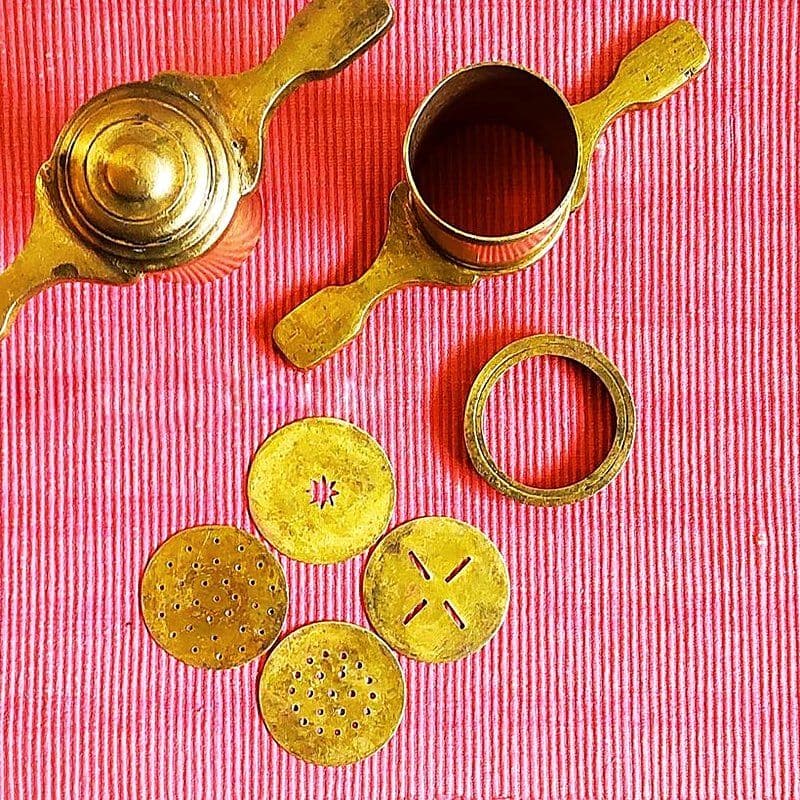
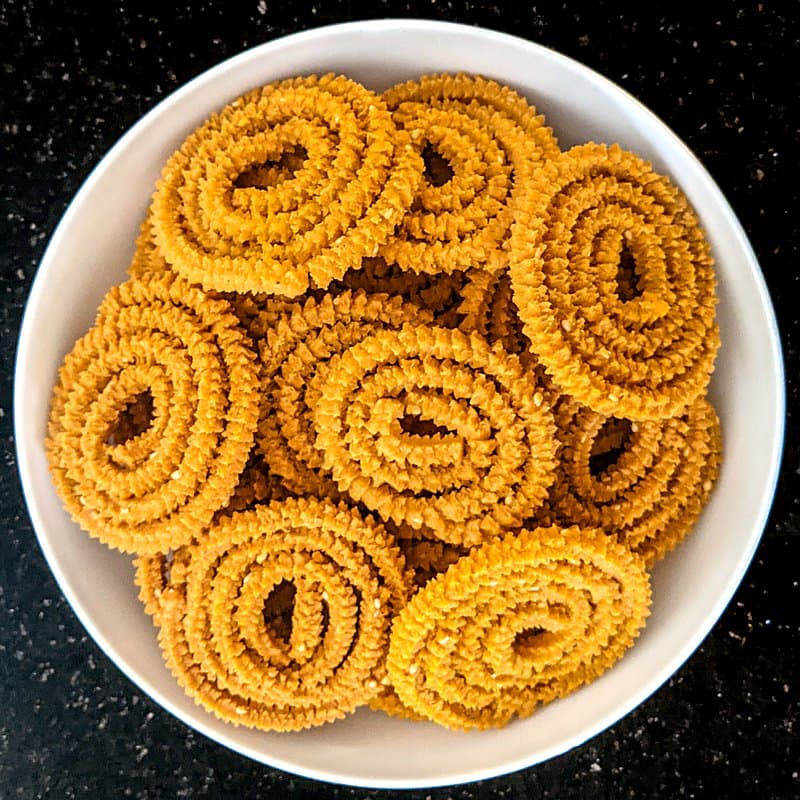
Extrusion means forcing a dough through holes. The motor turns a screw or press inside the barrel, the dough is pushed down against the die, and it comes out of each hole as a continuous strand. The size and shape of the holes decide the product. Fine holes give sevai, larger round holes give noodles, and shaped holes give chakli or papdi.
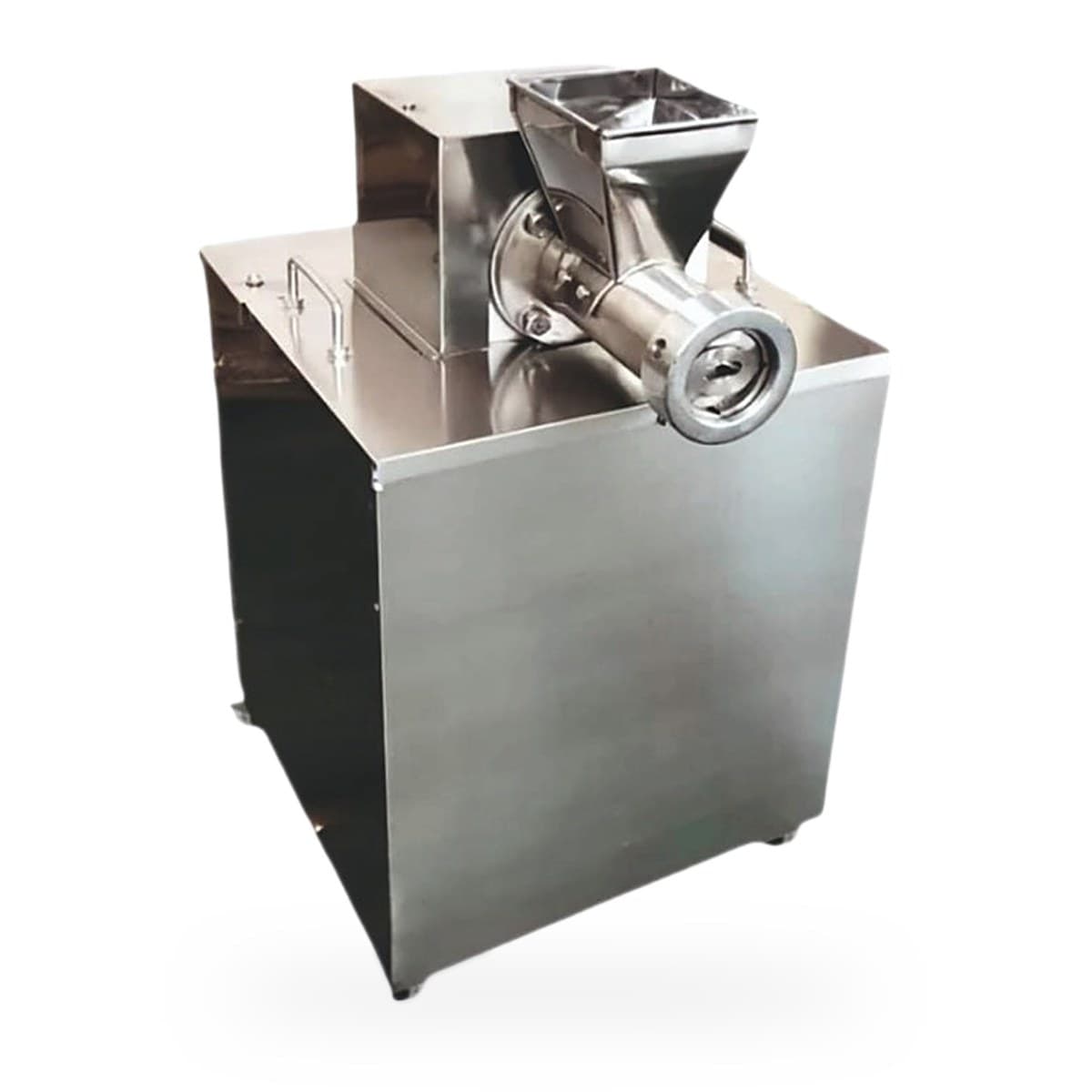
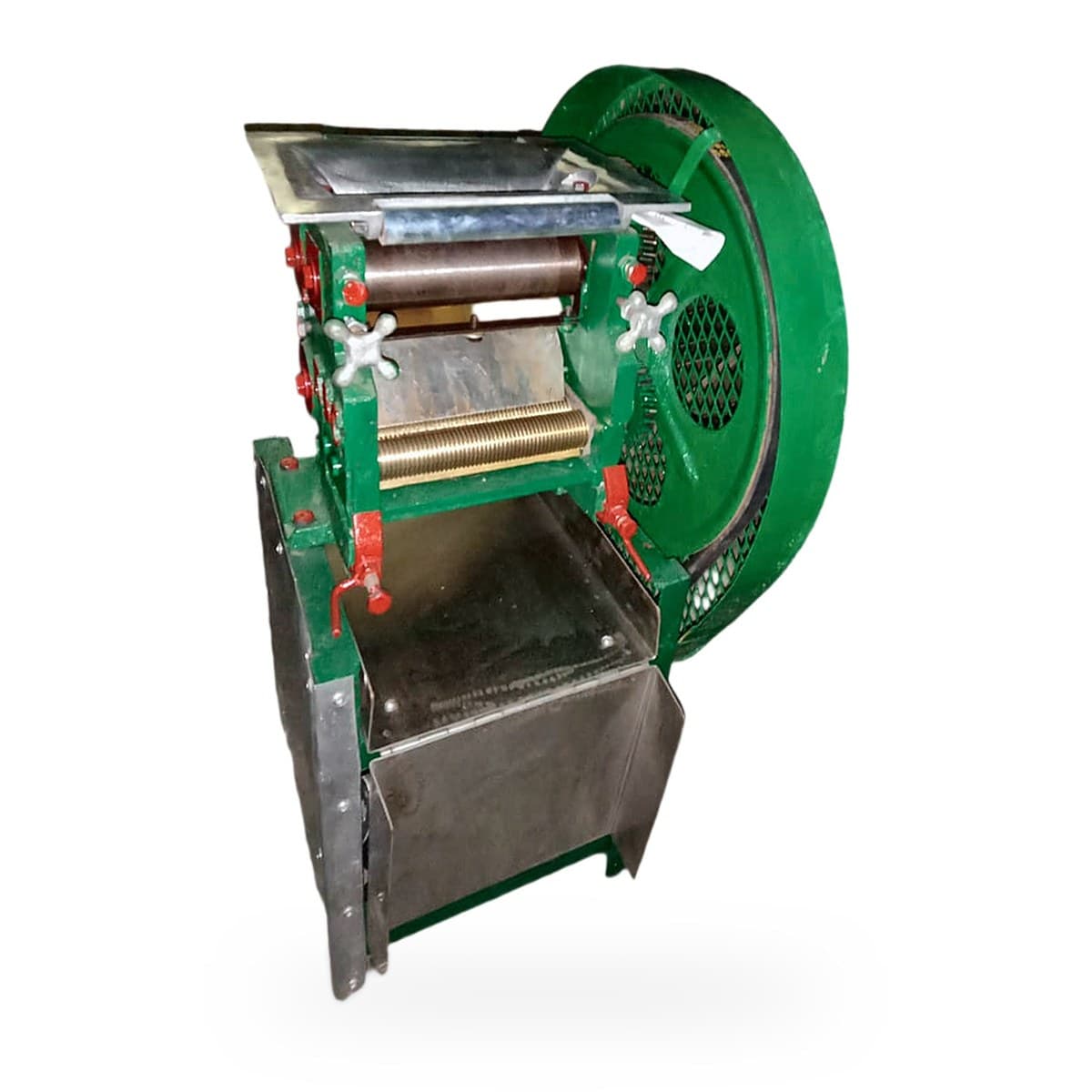
This is a different method from a sheeting machine. The mini noodle making machine rolls dough flat and cuts it, while the sevai machine presses it through holes. Pressing suits very fine strands and shaped snacks that cannot be cut from a sheet.
One Machine, Four Products
The 88 mm die is the part that makes this machine flexible. One motor and one barrel can cover a range of products by swapping the die plate.
| Product | Dough | What happens next |
|---|---|---|
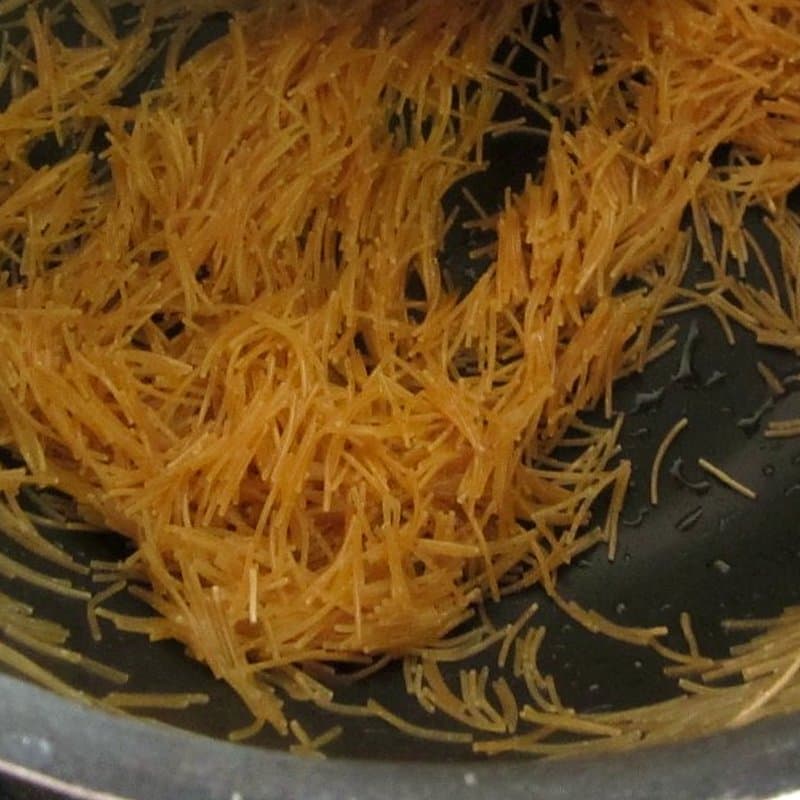
| Sevai | Wheat flour, semolina or a mix | Cut to length, dried, often roasted |
| Noodles | Wheat flour dough | Dried, or cooked fresh |
| Chakli (chakri) | Snack dough, often rice flour or besan | Fried |
| Papdi | Snack dough, often besan | Fried |
Which dies come with the machine is not on the catalogue sheet, so ask us before ordering. Clean the barrel properly when you switch from a fried snack dough back to sevai.
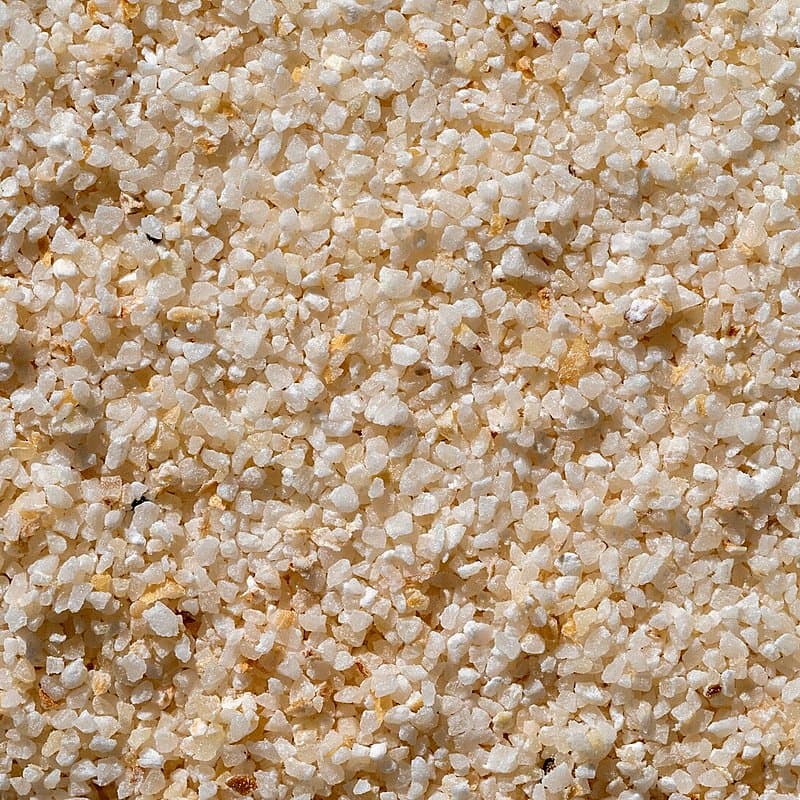
Dough for Sevai
Sevai dough is much firmer than roti dough. If it is too soft, the strands stick to each other as they leave the die. If it is too hard, the motor labours and the strands break.
- Use one grade of flour or semolina from one supplier, since each takes water differently.
- Weigh water and salt against the flour for every batch.
- Rest the dough, covered, before loading the barrel.
- Load the barrel evenly so there are no air pockets, which cause gaps in the strands.
Cutting, Drying and Roasting
Strands are cut to length as they leave the die and laid on trays or hung over poles. They have to dry until they snap cleanly. Sevai packed while still damp inside will go mouldy in the pouch, so drying space matters as much as the machine.
Many customers prefer roasted sevai because it saves them a step at home. Roasting is done after drying, in batches, until the strands are an even golden colour. Let roasted sevai cool fully before packing, and keep plain and roasted stock separate. Pouches can be closed on a band sealing machine. Packed food in India has registration and labelling requirements, so check what applies to you before you sell.
Who Should Buy a Sevai Machine?
A 2 HP sevai machine fits a small food unit, a home-based business with a dedicated room, or a sweet and namkeen shop that wants to make its own vermicelli and snacks. It suits people who already know their local market: the kirana shops, sweet makers and caterers who will buy every week, and the extra demand at festival time.
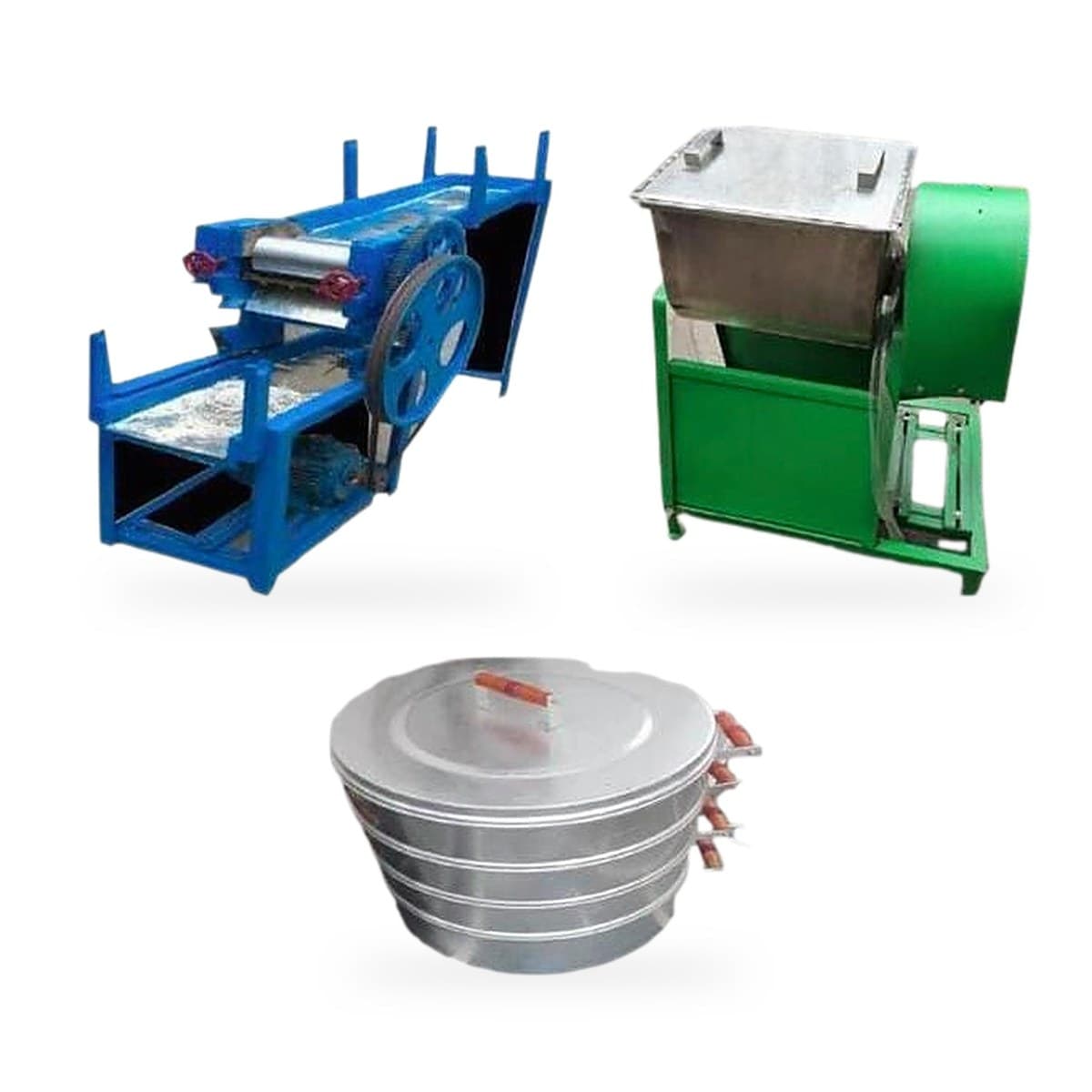
Plan the year before you buy. Sevai sells steadily but peaks before festivals, so build stock in the weeks ahead, with enough drying space and pouches ready. In slower weeks the same machine can make chakli and papdi for namkeen buyers, which keeps the motor and the staff busy. If you want to make noodles in quantity, steamed and dried for shops, the semi-automatic noodle making set is built for that job.
Power, Phase and Running Cost
The motor is 2 HP at 1440 RPM with 100% copper winding. It is available for single phase, which suits most shop and home-based units, and for three phase. Power use is about 1.6 units an hour, so your hourly electricity cost is simply 1.6 multiplied by your tariff per unit.
Electricity is a small part of the cost of sevai. Flour, labour, drying and packing matter far more. Keep a simple record of flour used and packed kilos each day, and you will see where the money goes.
Care and Maintenance
- Empty and clean the barrel and die after every run. Dried dough blocks the holes.
- Soak dies in water to loosen dough, then brush the holes clear and dry them fully.
- Keep the belt at the right tension and the guards in place.
- The bearing is a standard 6205. If you hear it grinding or the shaft feels loose, replace it. Any bearing shop stocks this size.
- Keep the motor dry and free of flour dust.
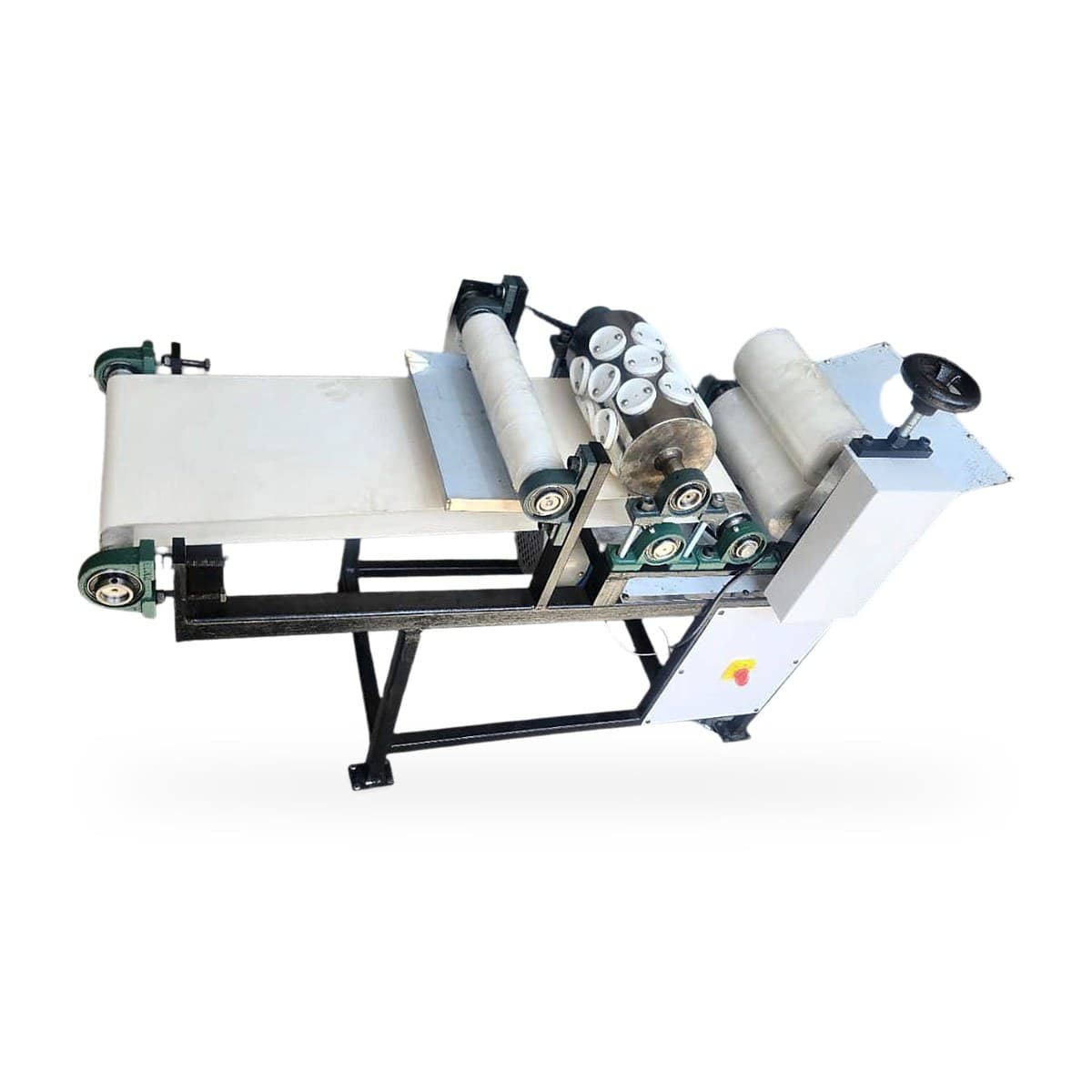
Food units often grow by adding a second product. The pasta making machine extrudes macaroni and other shapes, the papad and pani puri making machine adds a snack line, and a masala pulverizer lets you grind your own spices for chakli and papdi.
Short Mein Samjhiye (Hinglish Summary)
Yeh 2 HP sevai machine hai. Sakht aata ya suji ka dough barrel mein daala jaata hai aur 88 mm die se sevai ke taar nikalte hain. Die badal kar noodles, chakli aur papdi bhi bante hain. Capacity lagbhag 20 se 25 kg, bijli lagbhag 1.6 unit ghanta.
Motor 100% copper winding ka hai, single aur three phase dono mein milta hai. Machine pahiyon par hai, wazan 110 kg. Sevai ko achhe se sukha kar hi pack kijiye. Price ke liye WhatsApp kijiye. GST 18% alag.