What Is in the Noodle Making Set?
A restaurant can make noodles with one machine and a bowl. A unit that sells noodles to shops and caterers cannot, because the work changes once you go from a few kilos to sacks of flour. Mixing by hand becomes the slowest and least consistent step, and noodles that are only cut, without steaming and drying, will not keep long enough to sell through a shop.
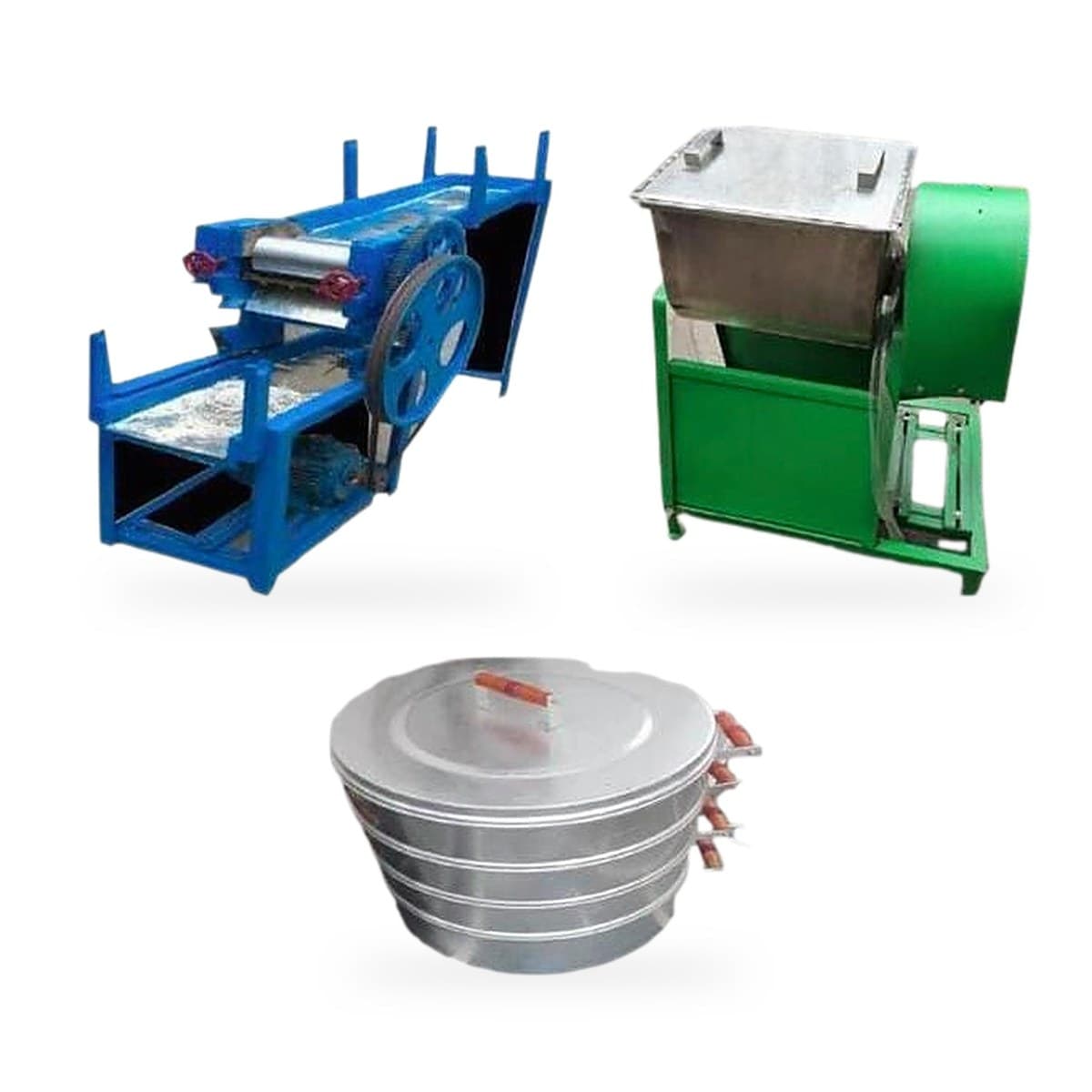
That is why this set comes as three machines. In our photo the noodle machine has a blue frame with a belt drive, sheeting and cutting rollers, and long feed and outfeed tables. The mixer has a green body and a stainless steel tank with a lid. The steamer is a stack of round trays with handles and a lid. The semi-automatic part is that each machine does its own step, and people move the dough and noodles from one to the next.
The Process From Flour to Pouch
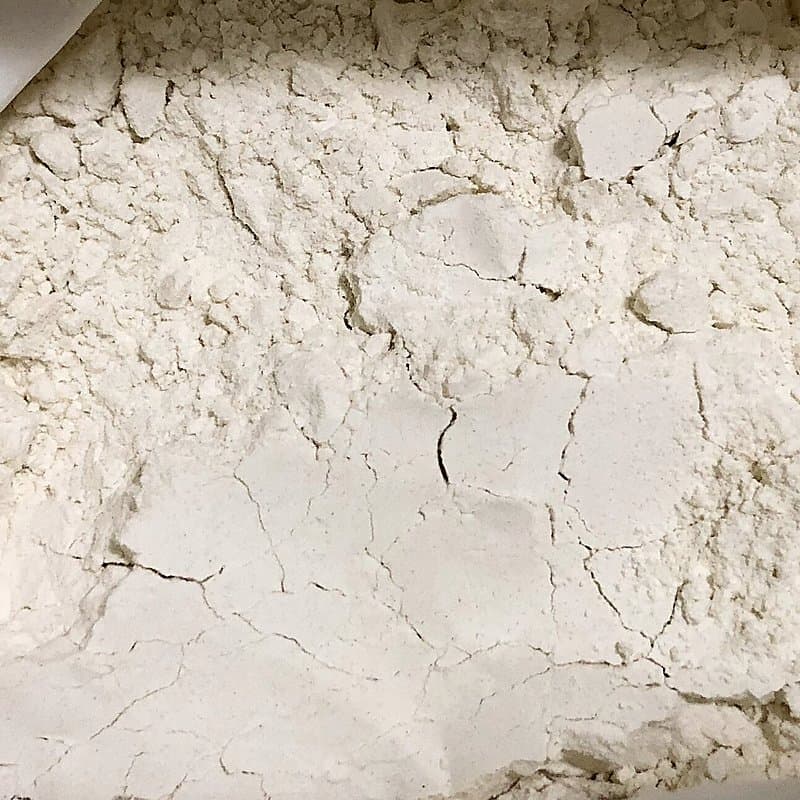
- Mix. Flour, water and salt go into the mixer by weight and come out as a stiff, crumbly dough.
- Rest. The dough is covered for a short time so the flour absorbs the water evenly.
- Sheet and cut. The noodle machine presses the dough into a sheet over several passes, then cuts it into strands.
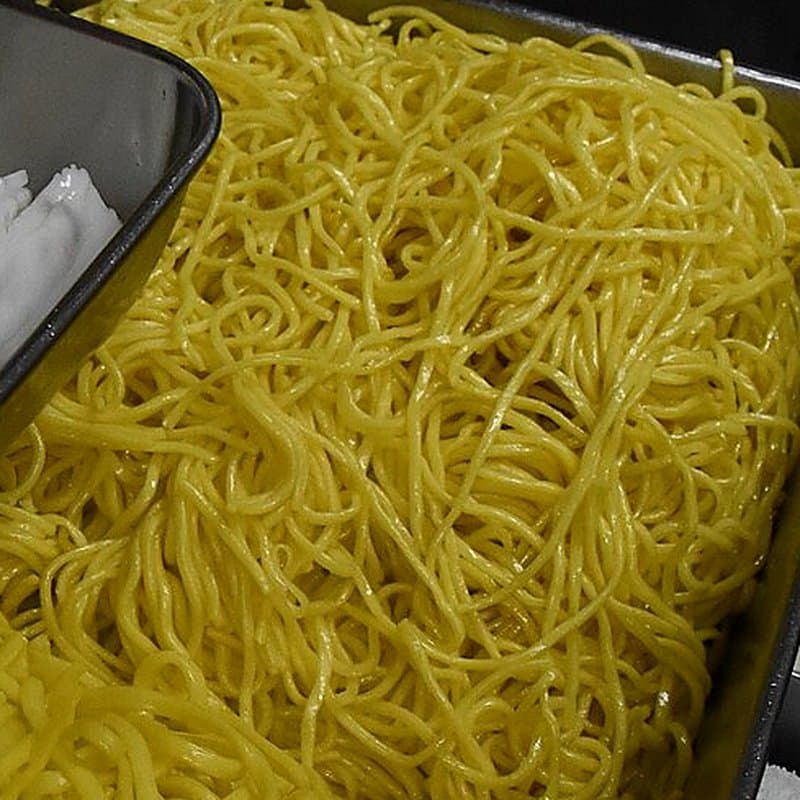
- Steam. The strands are spread loosely on the steamer trays and steamed, which sets the outside of each noodle.
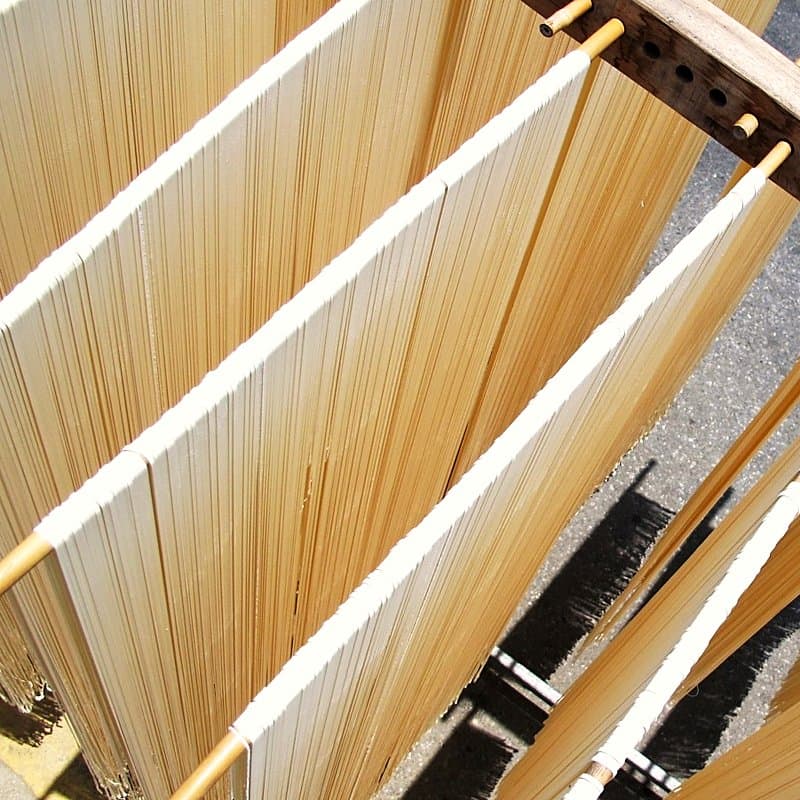
- Cool and dry. Steamed noodles are cooled, then dried until they are hard and brittle.
- Pack. Dry noodles are weighed into pouches, sealed and labelled.
What Each Machine Does
| Machine | Its job | What to watch |
|---|---|---|
| Dough mixer | Mixes flour, water and salt evenly | Weigh every batch. Do not overload the tank with stiff dough. |
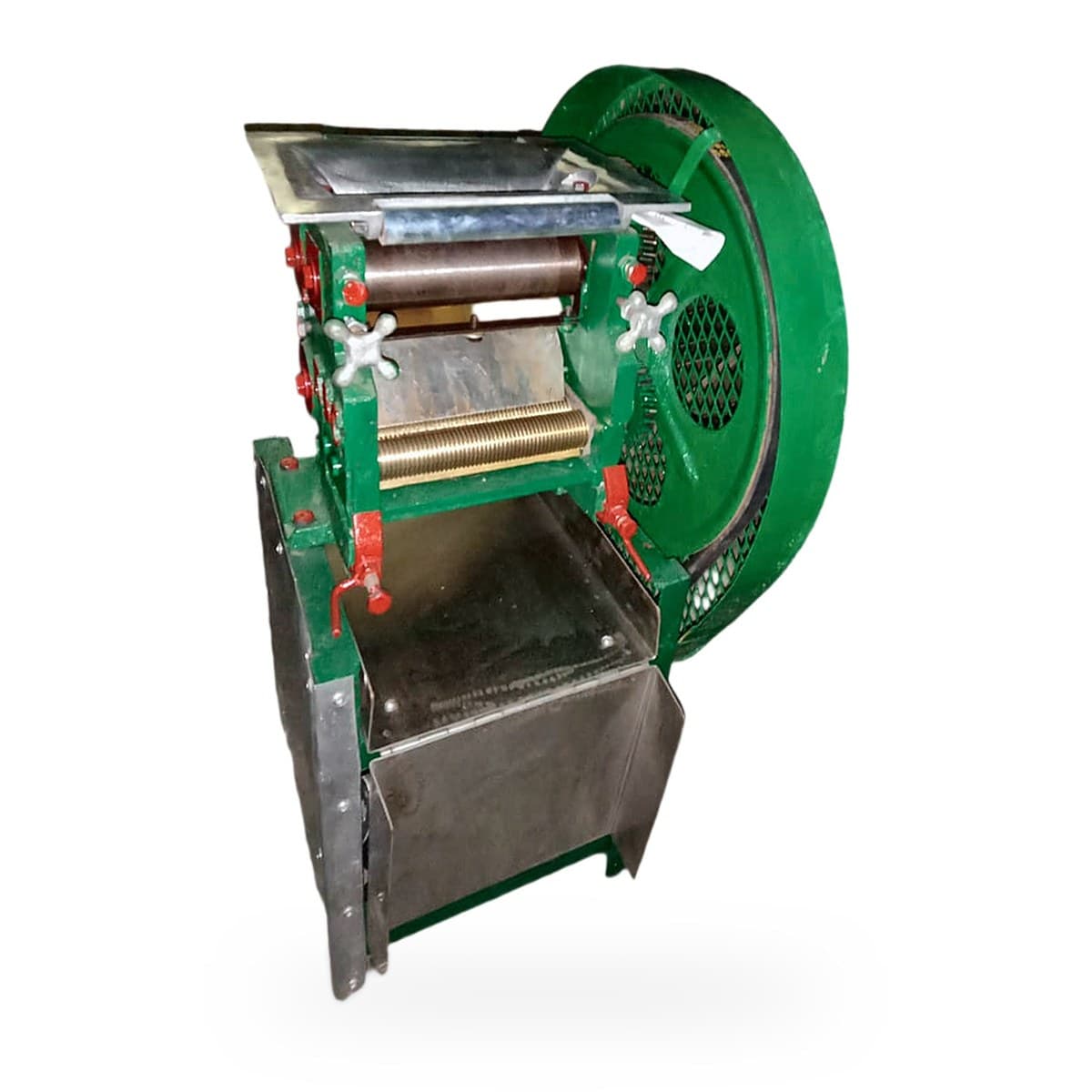
| Noodle machine | Sheets the dough, then cuts it into strands | Set the roller gap evenly on both sides. Dust the sheet before cutting. |
| Steamer | Steams the cut noodles in stacked trays | Spread strands loosely. Keep steaming time the same for every batch. |
The noodle machine works on the same principle as our mini noodle making machine for restaurants, so the dough advice on that page applies here too. Most sheeting and cutting problems start in the mixer.
Drying: The Step That Sets Your Capacity
Many new noodle units buy machines first and think about drying later. Then they find they can mix, cut and steam far more than they can dry, and their real output is set by the drying room.
The simplest method is hanging the strands over clean poles, or spreading them on mesh trays, in a covered, airy room. Weather changes drying time, so a batch that dries in one season may take longer in the monsoon. Noodles that are packed while still damp inside can go mouldy in the pouch, which is the fastest way to lose a shop’s trust.
Laying Out the Room
Lay the room out in the order the product moves, so nothing has to travel back:
- Flour storage on pallets near the door, away from water and the steamer.
- Mixer and noodle machine next to each other, with a table for resting dough.
- Steamer with good ventilation, since it puts moisture and heat into the room.
- Cooling and drying racks in the airiest part of the room.
- A separate clean table for weighing, sealing and labelling.
Ask us for the footprint and power needs of each machine so your electrician can plan the supply. Keep floors washable and keep the room closed to dust, birds and insects.
Staff and Daily Rhythm
The machines are not where most of the labour goes. One person can usually manage mixing and the noodle machine. Steaming, moving trays, hanging noodles, collecting dry ones and packing all need hands. Start each day with mixing so that the dough has rested by the time the noodle machine is running, and keep packing for the end of the shift or the next morning, once the previous batch is fully dry.
Clean the mixer tank, rollers and steamer trays at the end of every day. Dried dough in the cutting roller grooves is slow to remove and gives ragged strands the next day.
Packing, Labels and Selling
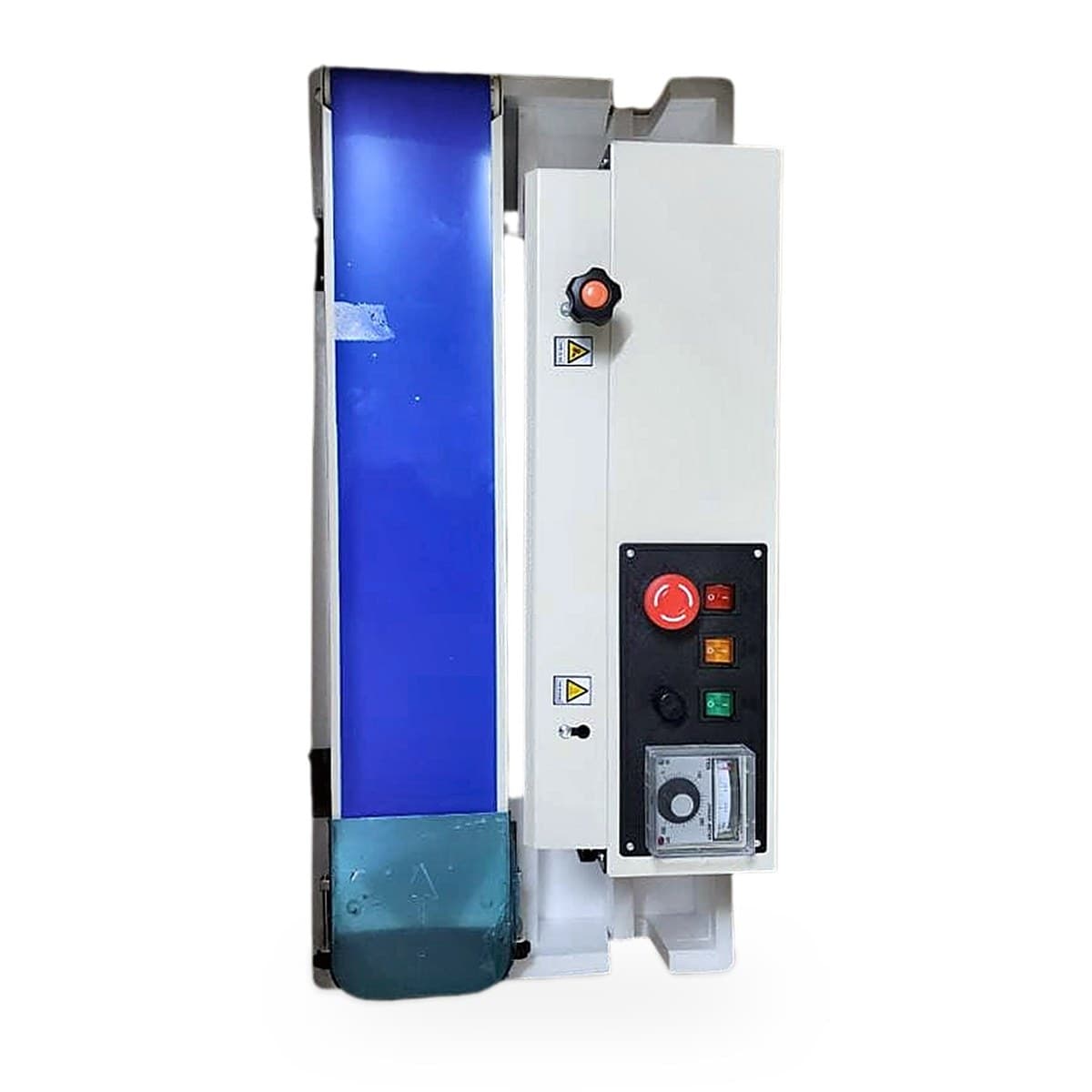
Dry noodles are usually sold in printed pouches by weight. A band sealing machine for pouches gives a neat, continuous seal, and a handheld inkjet printer for batch coding prints batch and date details on each pouch.
Packed food in India has registration and labelling requirements, and they depend on your turnover and where you sell. Confirm what applies to you with the relevant food safety department before you print pouches in bulk. Good first customers are local Chinese food stalls, caterers and kirana shops, who care most about consistency from one pack to the next.
Mini Machine, Full Set or Pasta Extruder?
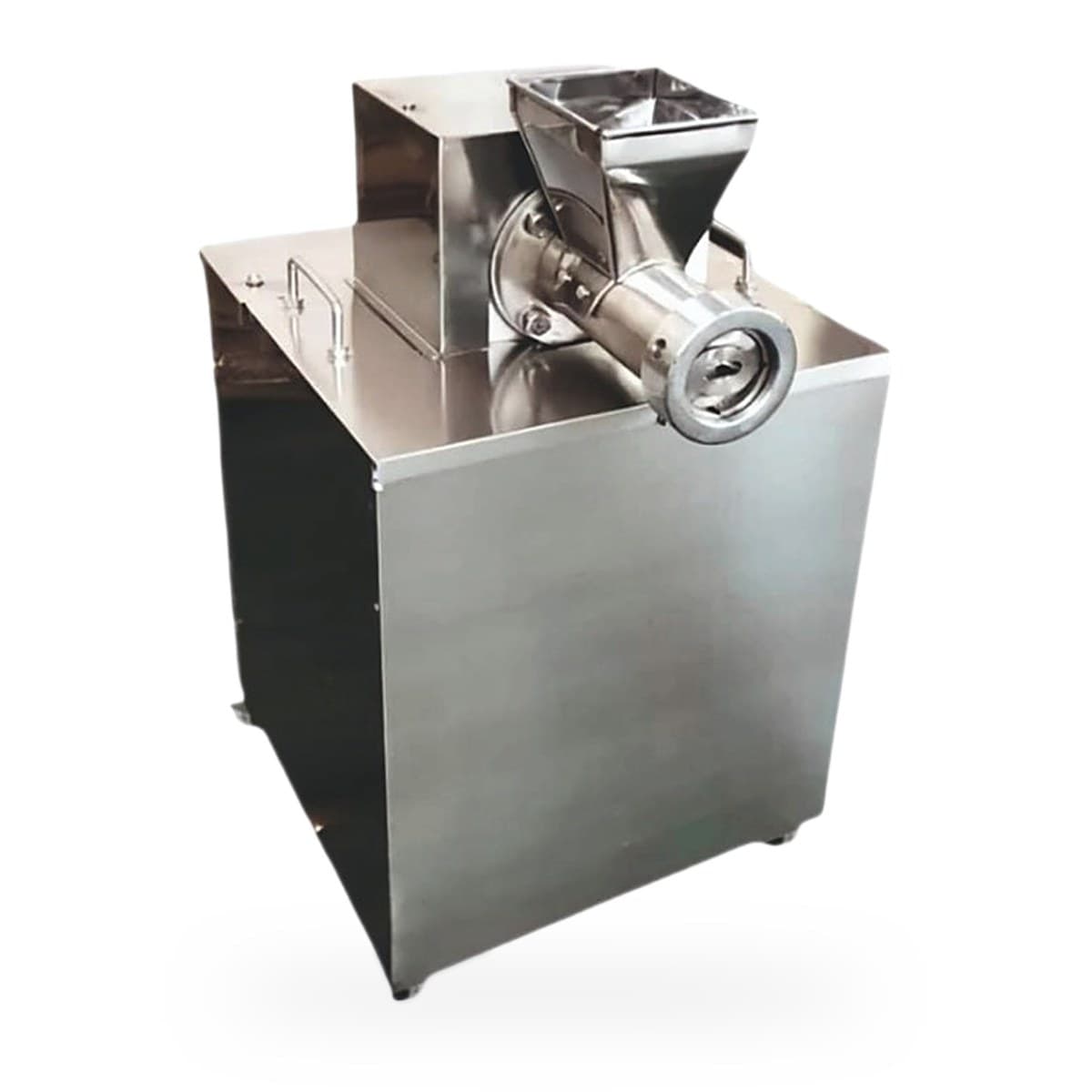
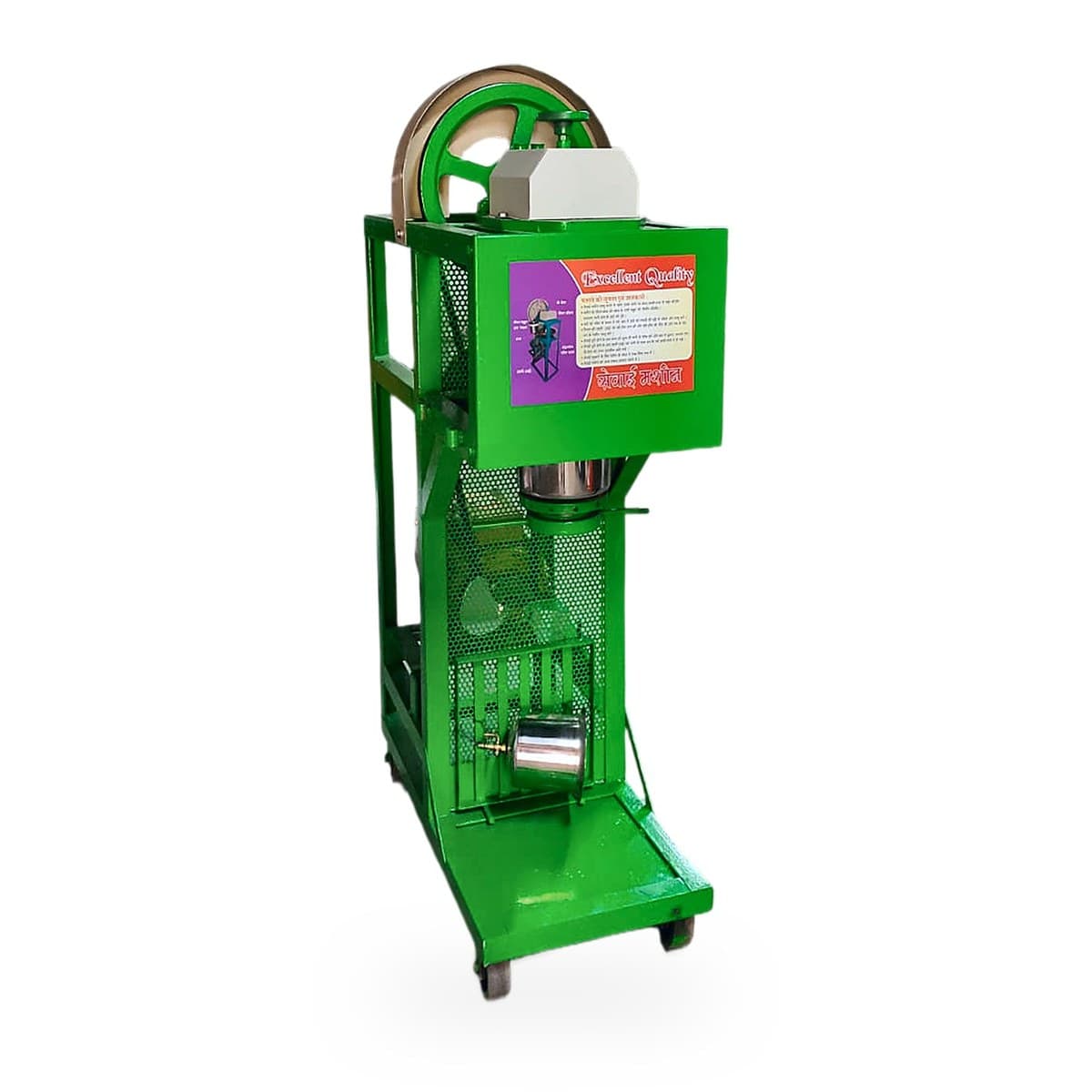
If you only need fresh noodles for one kitchen, this set is more than you need, and the mini machine is the better buy. If you want shaped products such as macaroni and fusilli, the pasta making machine extrudes dough through dies instead of cutting a sheet. Many food units also add vermicelli, and the sevai making machine can share the same flour store and drying racks.
Before you order the set, ask us for these details and write the answers down:
- Rated output of the noodle machine, and the batch size of the mixer.
- Motor ratings and whether each machine runs on single or three phase.
- How the steamer is heated and how many tiers it has.
- The noodle width the cutting roller gives, and whether other widths are possible.
- Footprint and weight of each machine, so you can plan the room.
With those numbers you can match the drying racks, staff and flour orders to what the machines can really do.
Short Mein Samjhiye (Hinglish Summary)
Is set mein teen machine hain: aata goondhne ka mixer, noodle sheet aur cutting machine, aur steamer. Pehle mixer mein aata, paani aur namak, phir machine mein sheet aur cutting, phir steamer mein steam, phir sukhana aur packing.
Sabse zaroori hai sukhane ki jagah. Machine pehle se zyada bana legi, par noodles achhe se sookhe bina pack mat kijiye. Output, motor aur size ki details request par milti hain. Price ke liye WhatsApp kijiye. GST 18% alag.