Skip to content

MachineMini Noodle Making Machine

Mini Noodle Making Machine

A compact machine that presses noodle dough into an even sheet between adjustable rollers and then cuts it into strands in the same pass, sized for restaurants, cloud kitchens and small food units.

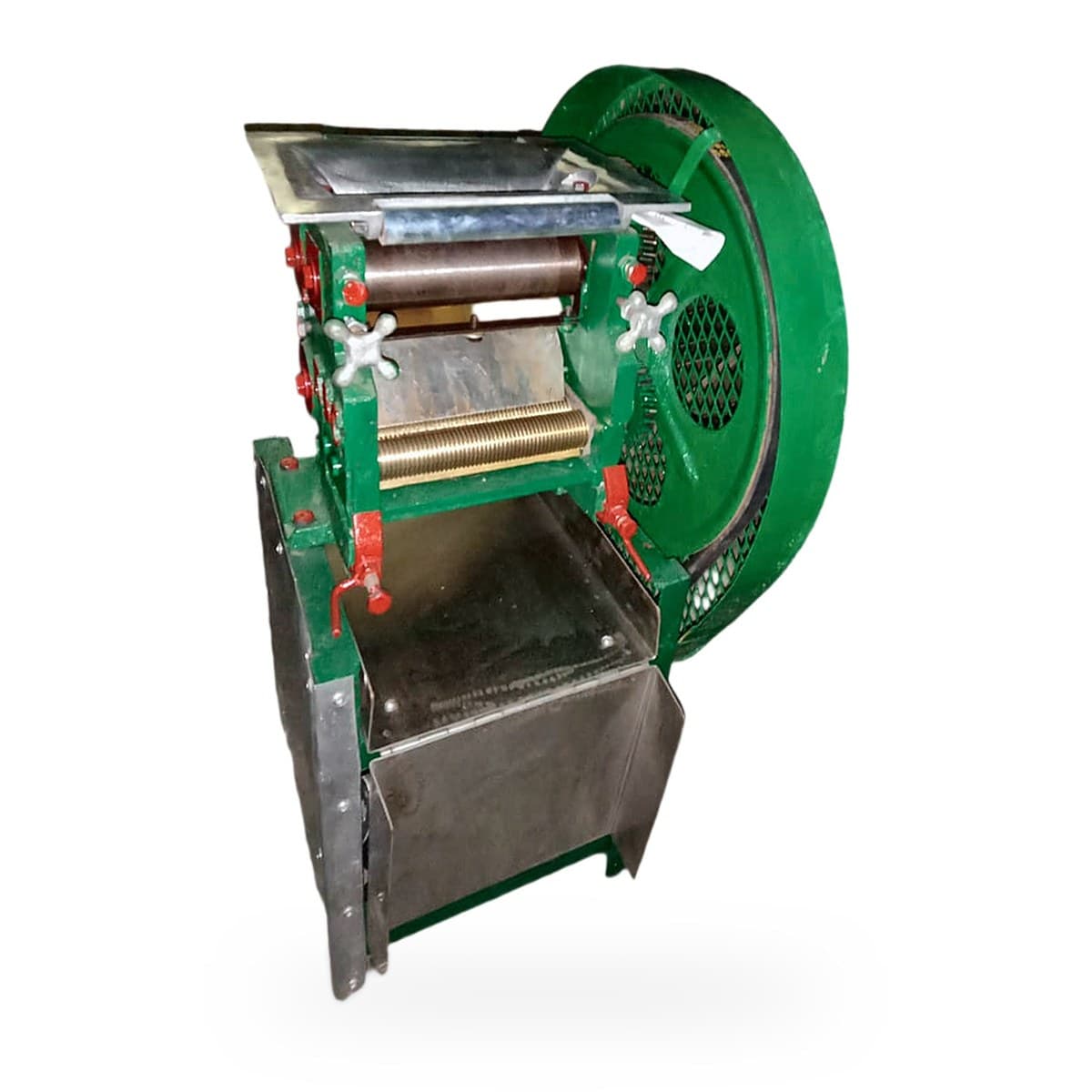
Mini noodle making machine with green cast frame, smooth sheeting rollers, grooved cutting roller, cross handles for the roller gap, guarded flywheel and stainless traysSheeting and cutting rollers with guarded drive1 / 4
Sheeting
Adjustable rollers
Cutting
Cutting roller
Trays
Stainless steel
Suits
Restaurants & small units

Or call+91 85058 21738/+91 96257 59353

  • Guarded drive
  • Compact footprint
  • Setup guidance
  • Support Mon – Sat

Part of our food processing machines range · GST 18% extra

01Specifications

Technical Specifications

Available in 1 fully automatic models. Compare them below, then ask us for the one that fits your output and power supply.

Get Spec Sheet
Mini Noodle Making Machine: specifications of both models
SpecificationMiniSheet & cut in one pass
SheetingSheeting rollers with adjustable gap
CuttingCutting roller for uniform noodles
TraysStainless steel feed tray and collection tray
DriveGuarded drive
BodyCompact, sturdy body
Motor & phase—
Output per hour—
Roller width—
Size & weight—

The catalogue sheet for this machine lists its features and says detailed specifications are available on request, so the blank rows are left empty on purpose. Ask us for the motor rating, output and roller width before you plan around a number. — = not on that model’s sheet yet.

Key Features

  • Adjustable sheeting gap

    The gap between the smooth rollers sets how thick the dough sheet is, and through that, how thick the finished noodle is. You can start wide and close it down over a few passes.

  • Cutting roller in the same pass

    Below the sheeting rollers a grooved cutting roller slices the sheet into strands of one width, so every noodle in the batch cooks in the same time.

  • Stainless feed and collection trays

    The surfaces the dough rests on are stainless steel, which can be washed down properly at the end of service and does not rust into the food.

  • Guarded drive

    The pulley and belt sit behind a mesh guard, which matters in a busy kitchen where the operator’s hands are close to moving parts.

  • Compact, sturdy body

    A small cast frame that fits on a work counter or stand in a kitchen, with no need for a separate production room.

  • Simple mechanism

    Rollers, a cutter and a belt drive. There is very little to go wrong, and what wears is easy to see and reach.

02Raw Material

What Goes Into Fresh Noodles

Noodles need very little: flour, water, salt and some dusting starch. The skill is in the dough, because the rollers can only sheet what you give them.

Raw Material Price
  1. 1MixFlour, water and salt into a stiff, crumbly dough
  2. 2RestCovered for the flour to absorb the water
  3. 3This machineSheeted, folded, sheeted again, then cut
  4. 4DustStrands tossed in starch so they do not stick
  5. 5Cook or dryUsed fresh in the kitchen or hung to dry
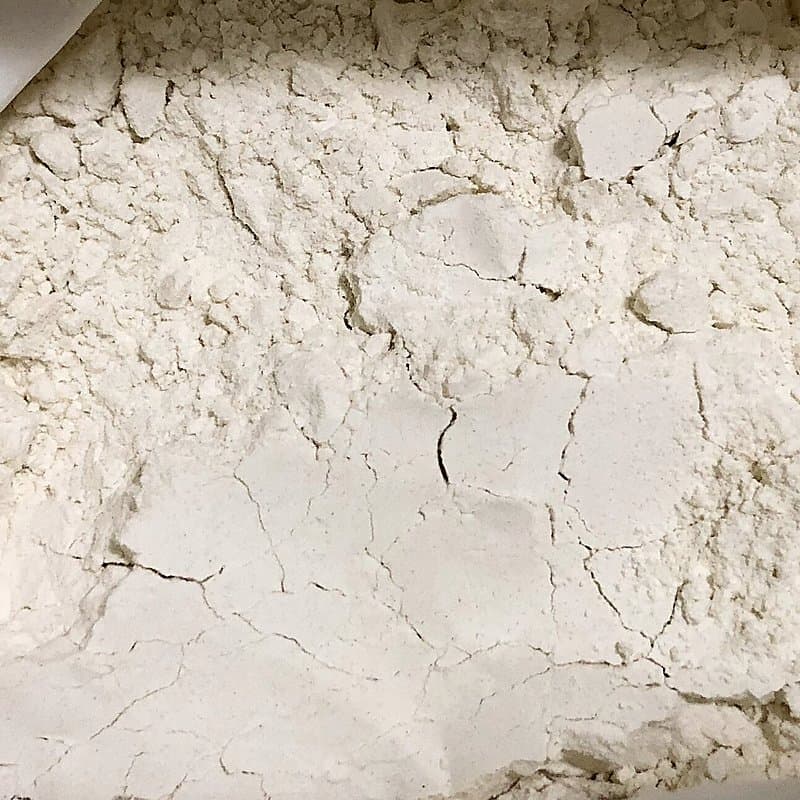
  • Close view of white refined wheat flour, the main raw material for noodlesCore

    Refined Wheat Flour

    Maida

    Most chowmein and hakka noodles are made from maida. Flour with more protein gives a stronger sheet that stretches without tearing, so keep to one brand once you find one that works.

    Check when buying

    • Same brand and grade every batch
    • Fresh stock, with no lumps or smell
    • Stored off the floor in a dry room
    Get price of refined wheat flour
  • Core

    Water, Salt & Additives

    Paani, namak

    Noodle dough is far drier than chapati dough. Salt tightens it and helps it hold together. Any additive you use for colour or bite must be food grade and declared on your label.

    Check when buying

    • Clean drinking water, measured not guessed
    • Salt weighed per kilo of flour
    • Only food-grade additives, bought from a known supplier
    Get price of water, salt & additives
  • Core

    Dusting Starch

    Corn starch, potato starch

    A light dusting on the sheet and on the cut strands stops them sticking to the rollers and to each other. Too much and the noodles cook up cloudy.

    Check when buying

    • Fine, dry, free-flowing starch
    • Kept in a covered tub near the machine
    • Used sparingly, and shaken off before cooking
    Get price of dusting starch
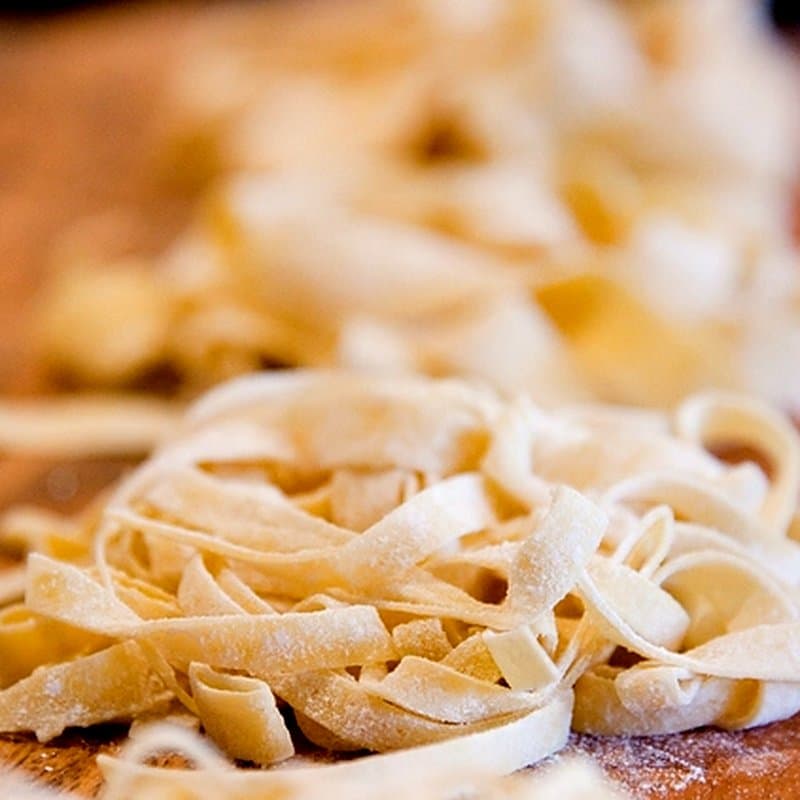
  • Freshly cut flour-dusted noodle strands piled on a wooden boardFinishing

    Fresh-Cut Noodles

    Kachche noodles

    What comes off the cutting roller. A restaurant can cook them the same day. Fresh noodles spoil quickly, so plan what you make against what you will use.

    Check when buying

    • Even width and thickness across the batch
    • No torn ends or stuck clumps
    • Covered and chilled if not used soon
    Get price of fresh-cut noodles
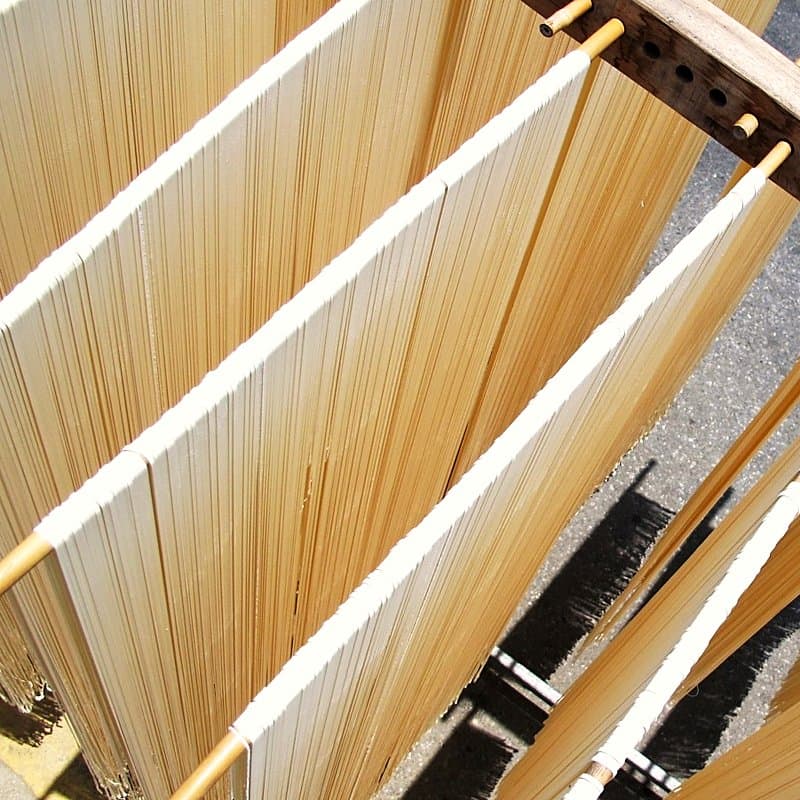
  • Long wheat noodle strands hanging over wooden poles to dryFinishing

    Drying Poles & Trays

    For noodles you will sell

    If you want to sell packed noodles, they need to be dried until hard and brittle. Hanging strands over clean poles in a covered, airy room is the simplest way to start.

    Check when buying

    • Clean food-contact poles or trays
    • Covered from dust, birds and insects
    • Dried right through before packing
    Get price of drying poles & trays

Material photos (illustrative): Wheat flour by Famartin, CC BY-SA 4.0 · Fresh-cut noodles by rawpixel.com, CC0 1.0 · Noodles drying by tomscoffin, CC BY 2.0.

One supplier · one quote

Get the machine and your first raw material lot together

Sticks, masala and fragrance that suit this machine, in the same quotation, so production can start as soon as it is installed.

Get Combined Quote

03Complete Guide

Mini Noodle Making Machine: The Complete Guide

How a compact sheeting and cutting machine lets a restaurant or small food unit make fresh noodles, and how to get the dough right.

By the Shivaa Traders team Updated 6 min read

What Is a Mini Noodle Making Machine?

Most hotels and chowmein stalls in India buy their noodles ready-made. They are convenient, but the kitchen has no control over thickness, freshness or what has gone into the dough. A mini noodle machine puts that control back in the kitchen. You mix a dough, run it through the machine, and cook the noodles the same day.

The machine in our photo has a compact green cast frame. On top sits a stainless feed tray. Below it are a pair of smooth sheeting rollers with cross handles on each side for setting the gap, then a grooved cutting roller, then a stainless collection tray. The belt and pulley sit to one side behind a mesh guard. It is a small, mechanical machine with few parts, which is exactly what you want in a busy kitchen.

Before you buy, work out how many plates of noodles you serve in a day and what you pay for bought noodles now. Then ask us for the rated output and motor details. Those two answers tell you quickly whether making your own will save money, or whether the real gain for you is freshness and a noodle your customers cannot get elsewhere.

How the Rollers Turn Dough Into Noodles

The work happens in two stages, and both depend on the dough being stiff enough to hold its shape.

  1. Sheeting. A lump of dough goes in between the smooth rollers on a wide gap. It comes out as a rough sheet. You fold it and pass it again, and close the gap a little each time. Two to four passes give a smooth sheet with an even thickness.
  2. Cutting. Once the sheet is right, it goes through the grooved cutting roller, which slices it into strands of one width. The strands drop onto the collection tray.

The sheet thickness becomes the noodle thickness, and the cutting roller decides the width. If you want a thinner noodle, close the sheeting gap. If you want a different width, that is a different cutting roller, so tell us the width you sell before you order.

Getting the Dough Right

Nearly every problem people blame on a noodle machine is really a dough problem. Noodle dough is much drier than roti dough. In the bowl it looks crumbly, like wet sand, and only comes together when the rollers press it.

  • Flour. Refined wheat flour (maida) is the usual base. A flour with more protein makes a stronger sheet. Once a brand works, stay with it, because a new brand changes how much water the dough takes.
  • Water and salt. Weigh both against the flour. Salt firms up the dough and helps the sheet hold together.
  • Rest. Cover the mixed dough and leave it for a while so the flour takes up the water evenly. Dough that goes straight in tends to crack at the edges.
  • Dusting. Keep a tub of corn or potato starch next to the machine and dust the sheet lightly before cutting.

Who This Machine Suits

This is a kitchen-scale machine. It makes the most sense for:

  • Restaurants, dhabas and Chinese food counters that cook a lot of chowmein and hakka noodles.
  • Cloud kitchens and caterers who want a fresher product than the packet supply.
  • Small food units testing the market for fresh noodles before they invest in a full line.

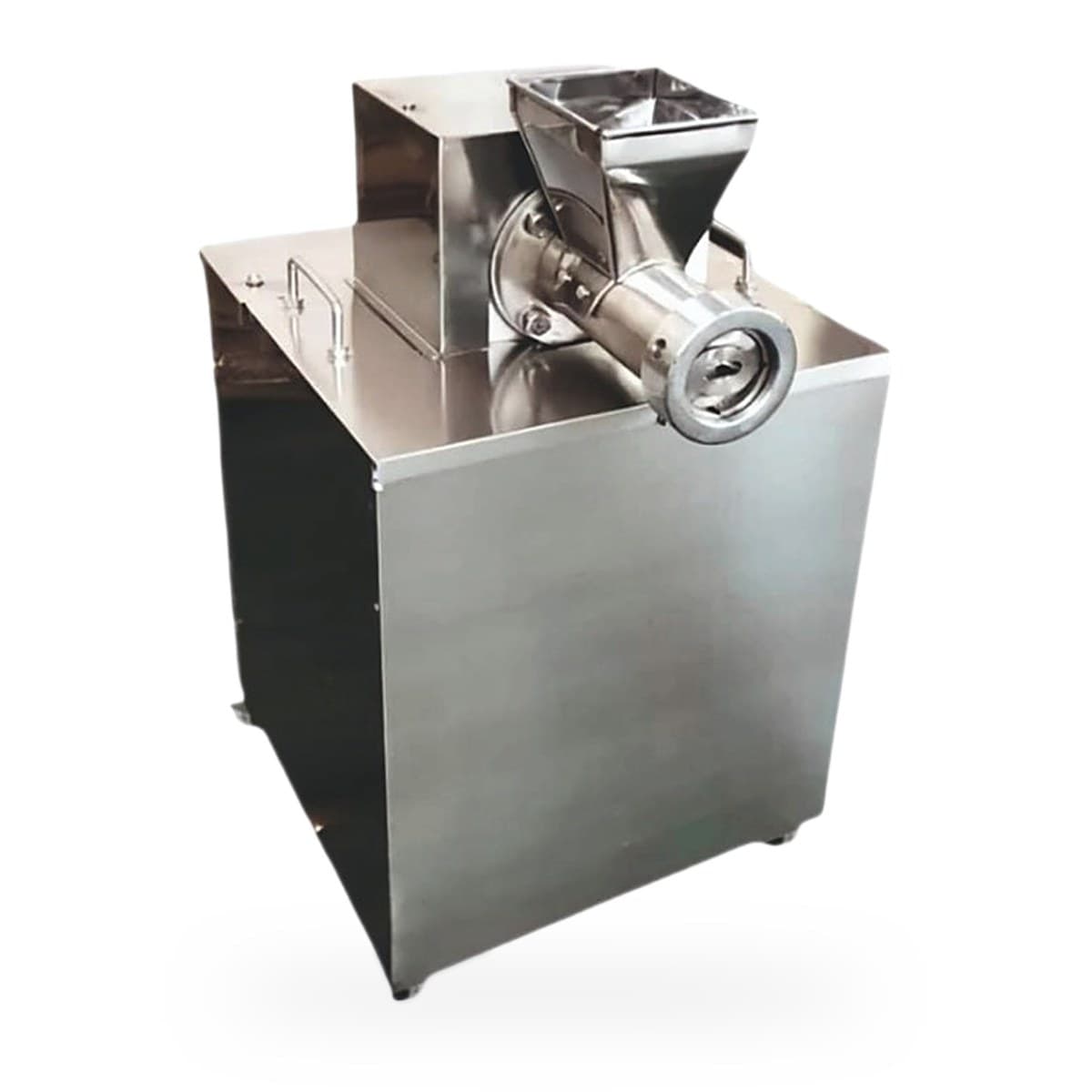
If your plan is to make dried, packed noodles for shops from day one, look at the full set instead, because drying and packing need more than one machine. If you want extruded shapes such as macaroni, that is a different kind of machine, the pasta making machine with interchangeable dies.

A Normal Day With the Machine

A typical session in a restaurant kitchen looks like this:

  1. Mix the dough before service and leave it covered to rest.
  2. Check the rollers and trays are clean and dry, and the guard is in place.
  3. Sheet the dough in two to four passes, closing the gap each time.
  4. Dust the sheet and cut it. Toss the strands lightly in starch.
  5. Portion the noodles, cover them, and keep them cold until they are cooked.
  6. At the end, scrape and brush dough off the rollers and cutter, and wipe the trays.

Do not leave dough to dry on the rollers overnight. It sets hard in the grooves of the cutter and is slow to clean out.

Common Problems and What Causes Them

Common mini noodle machine problems and their usual causes
ProblemUsual causeWhat to try
Sheet tears or cracksDough too dry or not restedAdd a little water, rest longer, start on a wider gap
Dough sticks to rollersDough too wet, or no dustingReduce water, dust the sheet before each pass
Strands stuck togetherSheet too soft, or cutter grooves dirtyDust before cutting, clean the cutting roller
Uneven thicknessGap set differently on each sideSet both sides of the roller gap evenly
Noodles go soggy when cookedToo much starch, or flour too weakShake off dusting, try a stronger flour

When to Move Up to a Full Noodle Set

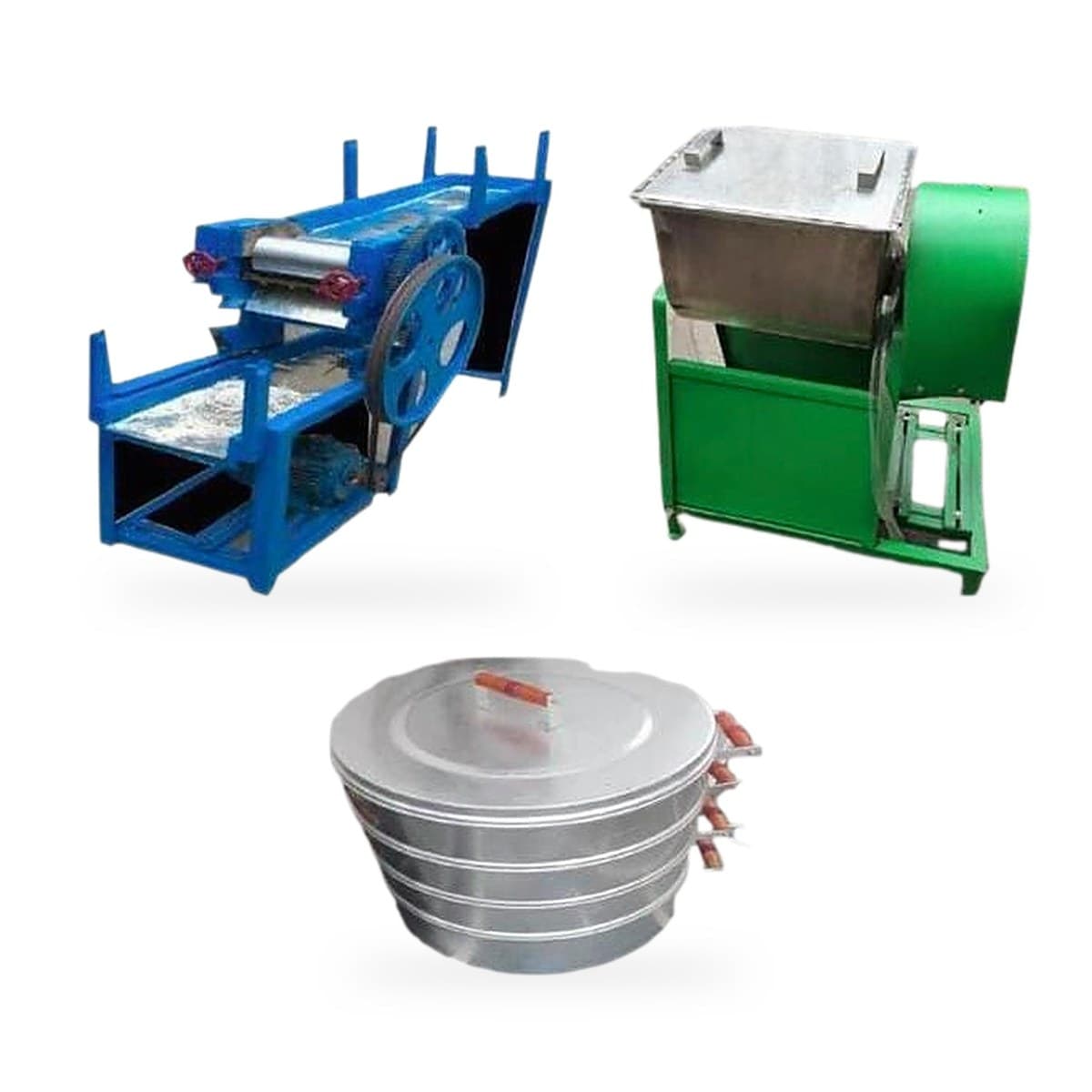
A restaurant may never need more than this machine. A food unit that starts selling noodles to other kitchens or shops soon finds that mixing by hand and drying on a few poles is the slow part. That is when the semi-automatic noodle making set with dough mixer and steamer makes sense.

Other products can share the same room and the same flour supply. A 2 HP sevai making machine adds vermicelli, chakli and papdi, and a papad and pani puri making machine works on a similar sheet-and-cut idea. If you pack what you make, a band sealing machine for pouches gives a clean, continuous seal. Packed food has registration and labelling requirements in India, so check what applies to you with the relevant department before you sell.

Short Mein Samjhiye (Hinglish Summary)

Yeh chhoti noodle machine hai. Pehle do smooth roller aata ki sheet banate hain, phir cutting roller sheet ko noodles mein kaat deta hai. Roller ka gap adjust hota hai, isse noodle ki motai badalti hai. Tray stainless steel ki hai aur belt par guard laga hai.

Aata sakht aur thoda bhurbhura rakhiye, thoda rest dijiye, aur sheet par starch chhidakiye taaki noodles chipke nahi. Restaurant aur chhote food unit ke liye sahi hai. Motor, output aur roller width request par milti hai. Price ke liye WhatsApp kijiye. GST 18% alag.
Have a question this guide didn’t answer?Our team replies on WhatsApp and call, Mon – Sat, 10:00 AM – 7:00 PM.

Ask on WhatsApp

FAQs

Frequently Asked Questions

What buyers ask us most about the mini noodle making machine.

Ask your own question on WhatsApp

What is the price of the mini noodle making machine?

Message us on WhatsApp or call and we will share the latest price along with the specification sheet. GST at 18% is extra, and transport depends on your location.

How many kilos of noodles can it make in an hour?

The catalogue sheet lists detailed specifications as available on request, so we do not print an output figure here. Ask us and we will give you the rated output for the model, which also depends on how many sheeting passes your dough needs.

Is it suitable for a restaurant or cloud kitchen?

Yes. That is what it is built for. It is compact, has stainless trays and a guarded drive, and lets a kitchen make fresh noodles in-house instead of buying them.

What kind of noodles can it make?

It makes flat-cut wheat noodles of the kind used for chowmein and hakka noodles. Strand width is set by the cutting roller fitted, so tell us the width you want before you order.

Can I adjust noodle thickness?

Yes. The sheeting rollers have an adjustable gap, and the sheet thickness becomes the noodle thickness. Most cooks sheet the dough two or three times, closing the gap each time.

Why does my dough tear or stick in the rollers?

Tearing usually means the dough is too dry or has not rested. Sticking means it is too wet or not dusted. Noodle dough should look crumbly in the bowl and press into a firm sheet. The guide on this page goes through the fixes.

Does it need three phase power?

The motor rating and phase are available on request. Ask us before you order so you can check your kitchen supply.

Can I start a packed noodle business with this machine?

You can start small with it, but a packed noodle unit also needs a dough mixer, a steamer if you make steamed noodles, drying space and packing. Our semi-automatic noodle making set brings the machine, mixer and steamer together. Packed food also has registration and labelling rules, so check what applies to you before you sell.

How do I clean it?

Brush dried dough off the rollers and cutter after every session, wipe the trays, and never wash the rollers with water left standing on them. Keep the guard on whenever the machine is running.

Do you give a demo before I buy?

Ask us for a demo video of the machine running. For an in-person demonstration, contact us and we will tell you what can be arranged.

Best price

Get the price of the Mini Noodle Making Machine

Tell us your model, power supply and stick size. We reply with the price, spec sheet and demo video, and a raw material quote if you need one.

Get Best Price on WhatsApp

Send an enquiry

The machine is already selected. Add your details and press send.

Opens WhatsApp with your details filled in.