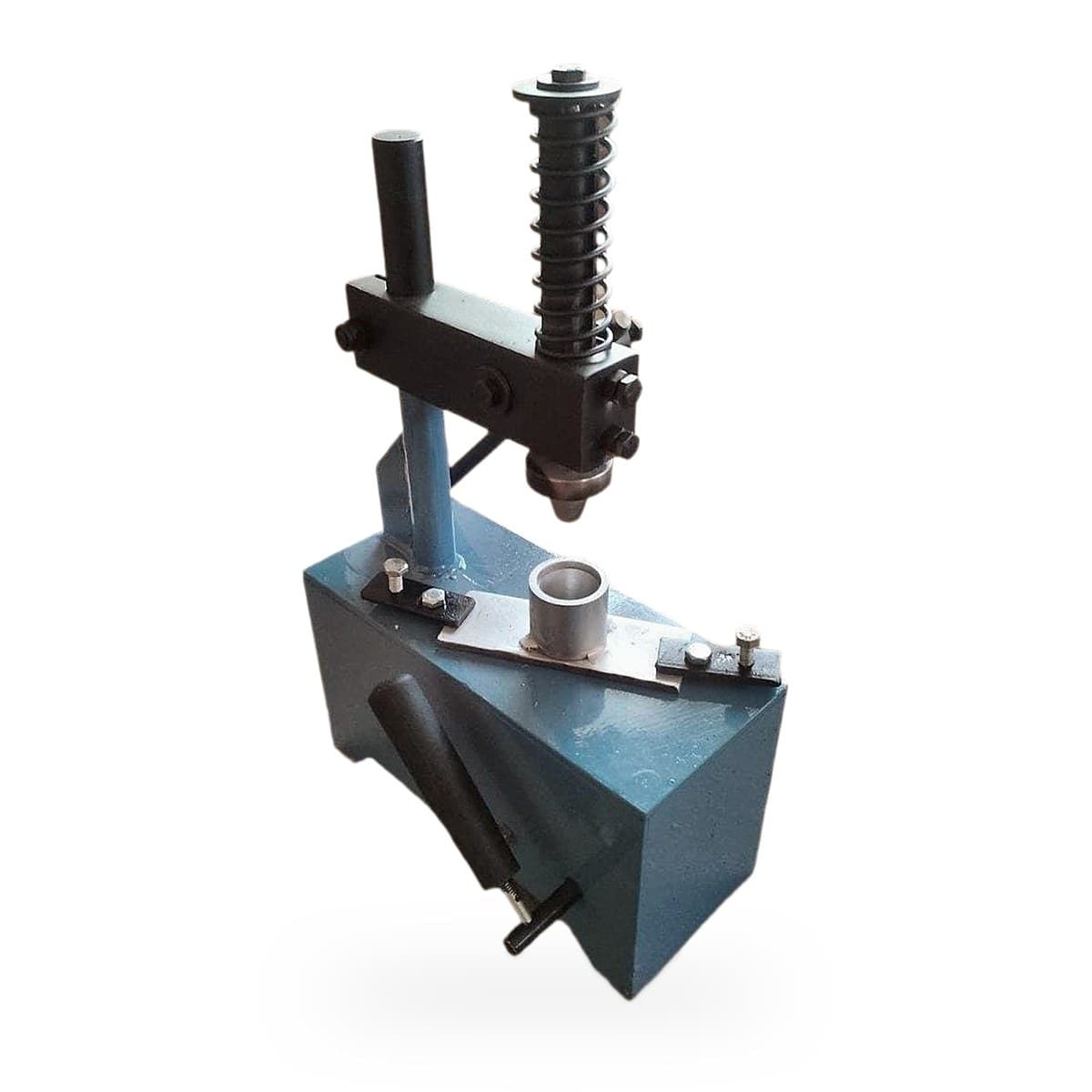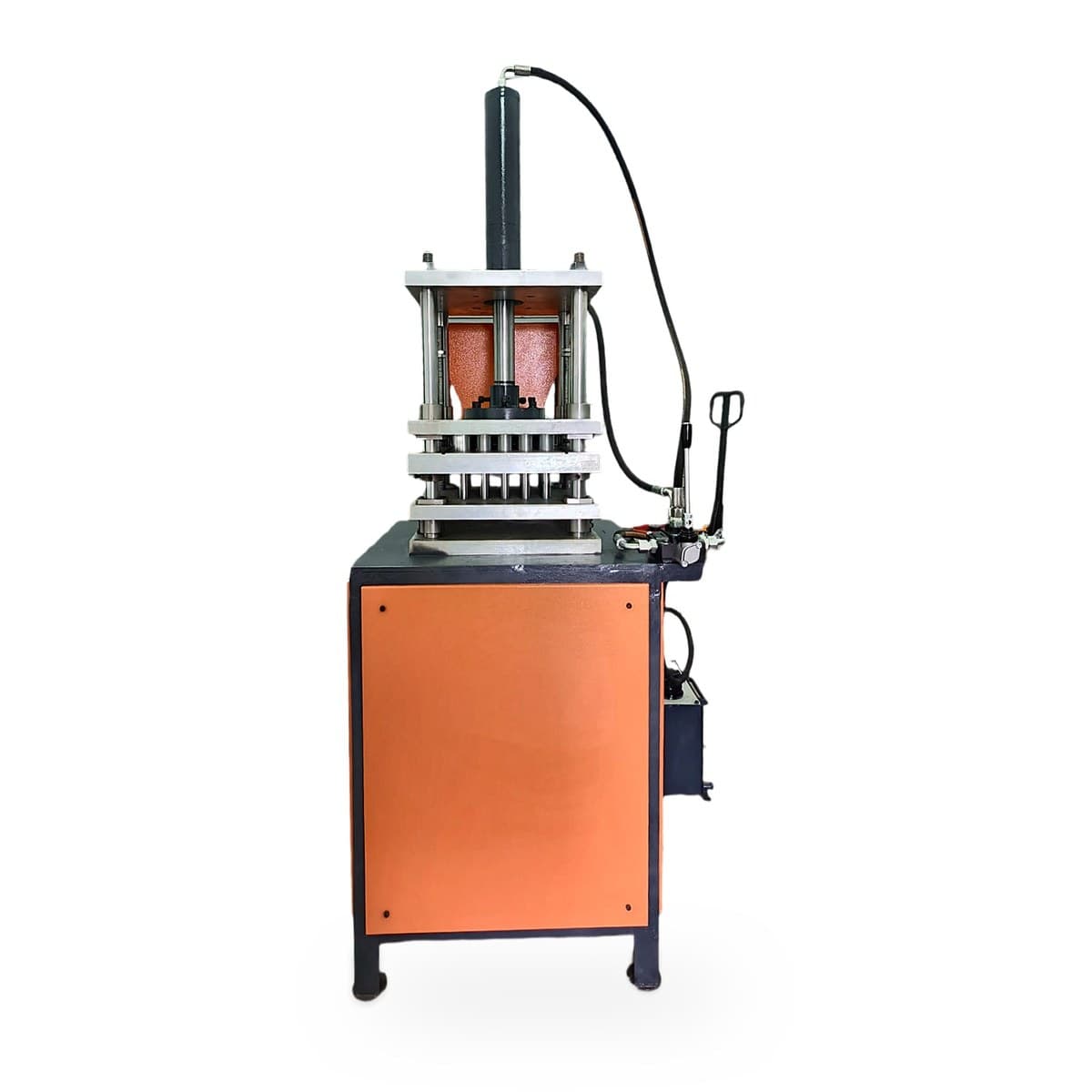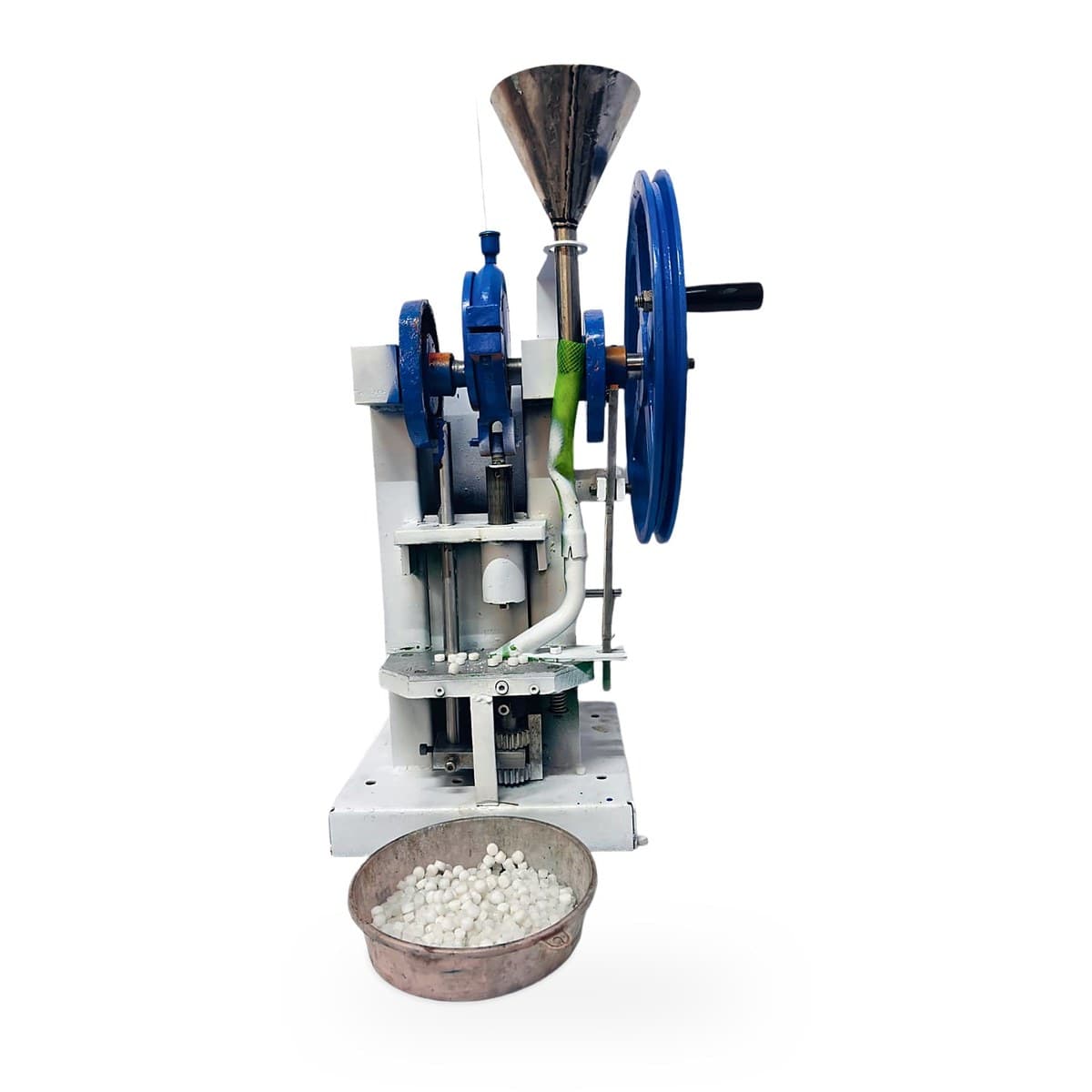
What Is a Long Cotton Wick Machine?
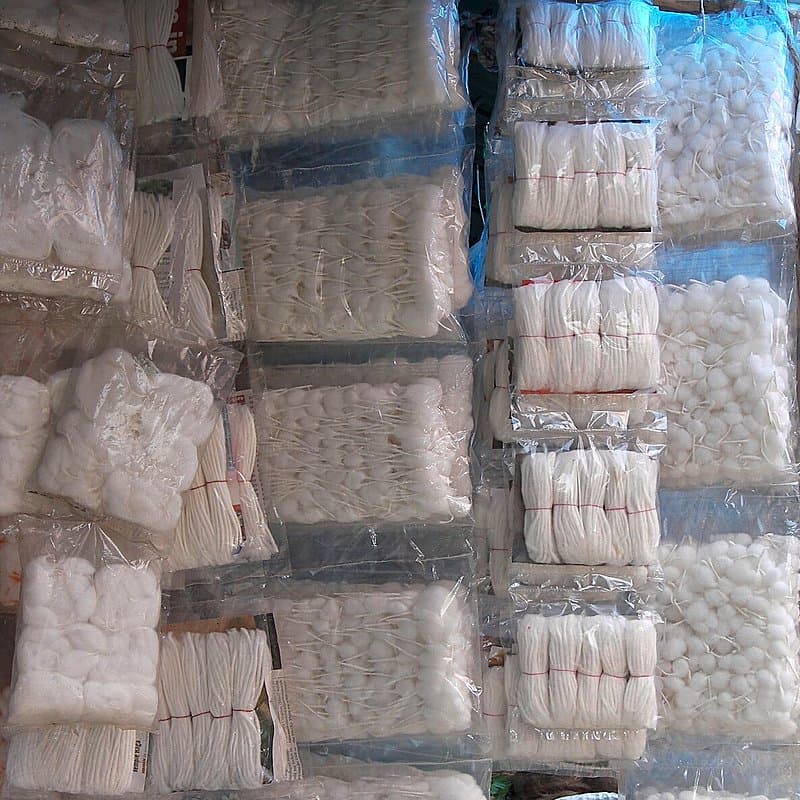
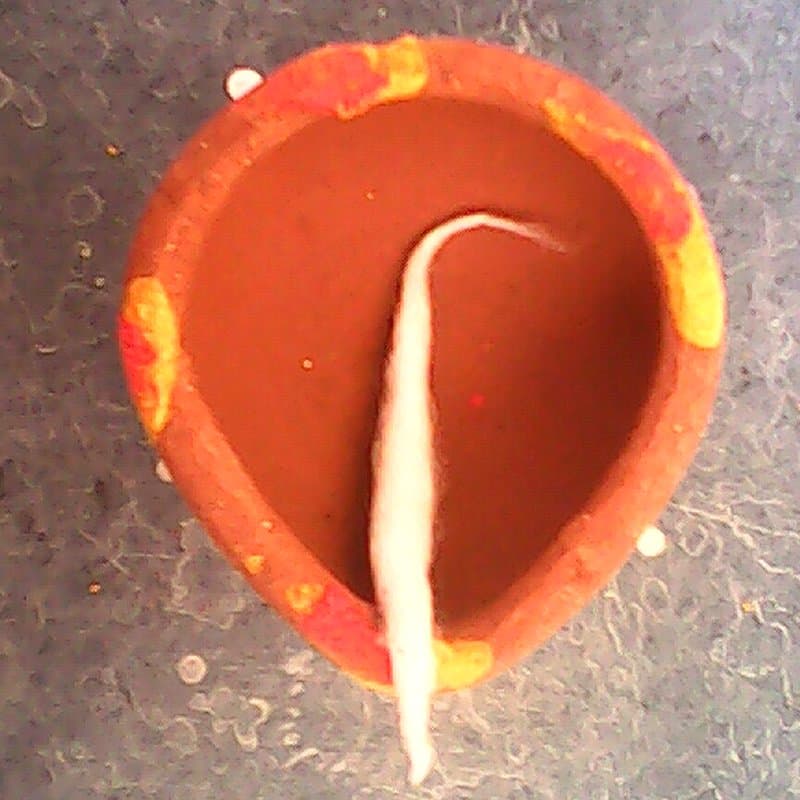
Long wicks are thin twisted cotton wicks that lie along the spout of a diya or stand in a brass lamp. They are used for evening aarti, for akhand jyot that burns through the night, and in temples where lamps are lit in rows. Rolling them by hand to an even length is tedious work.
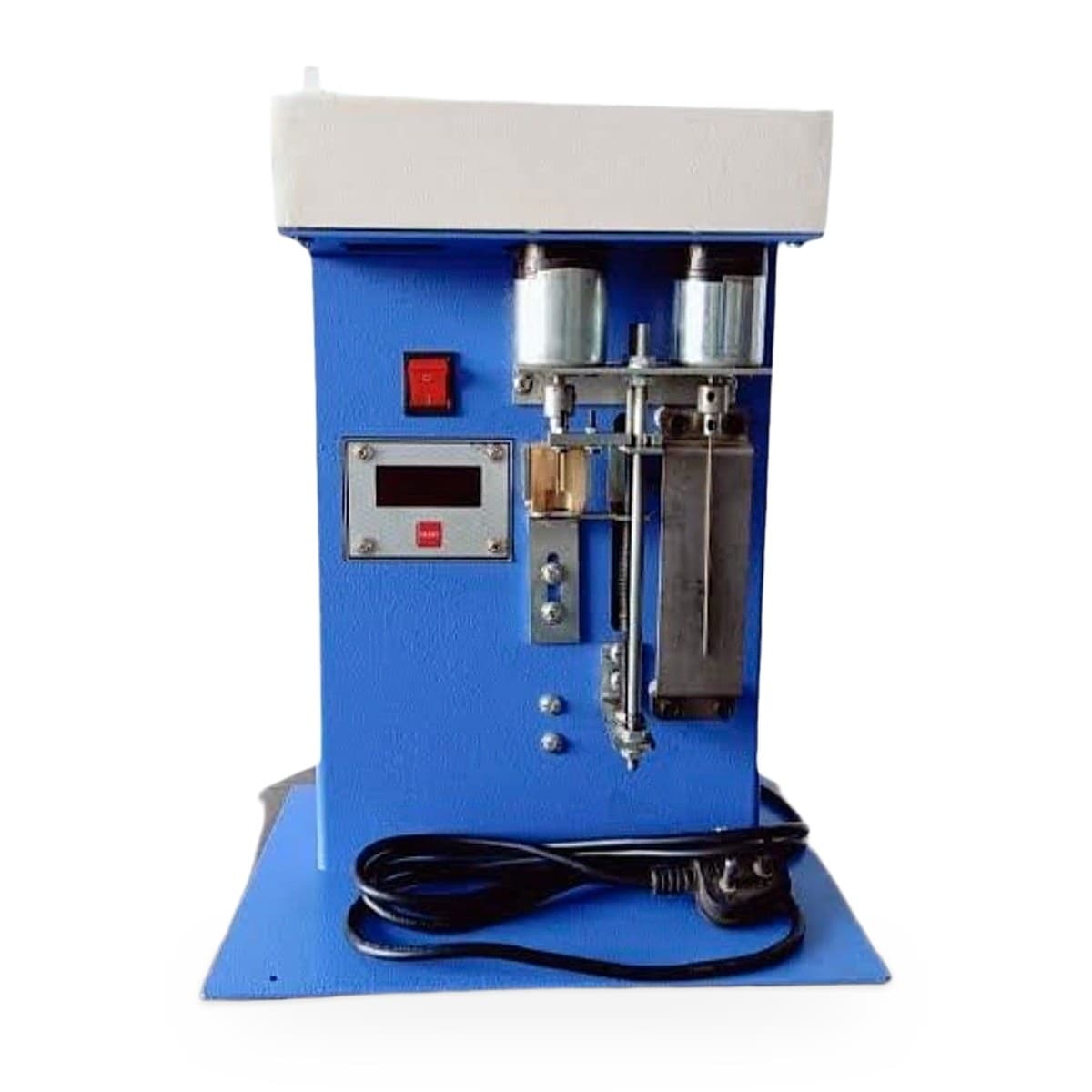
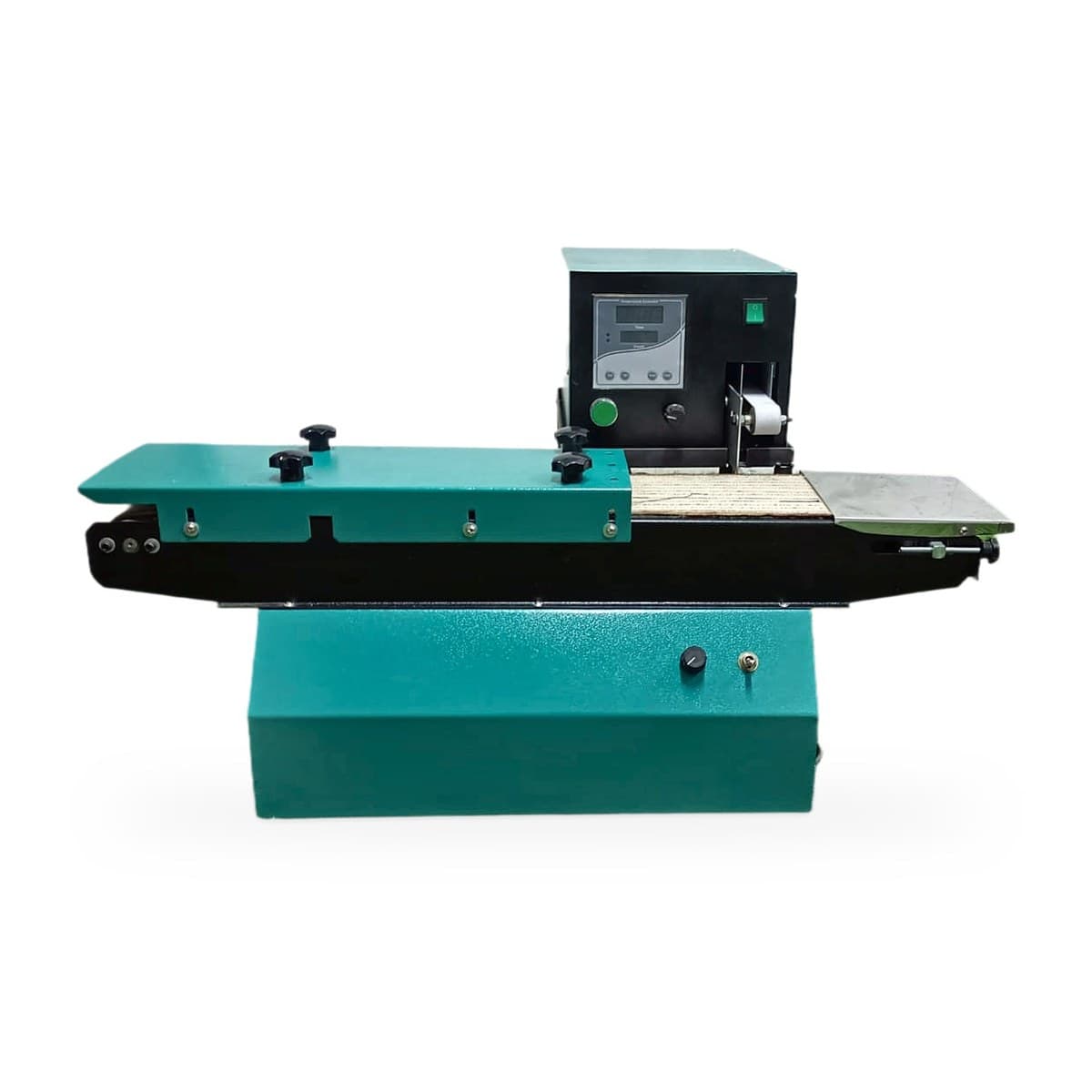
This machine does it automatically. It has a long MS feed bed with adjusting knobs, a control box with a digital display, and a stainless outfeed tray. Once cotton is loaded and the length is set, it forms and cuts wicks on its own while the operator keeps it fed and collects the output.
The Four Numbers That Matter
- wicks per day
- 8 – 10 kg
- wick length
- Up to 4 in
- single phase, 220 V
- 0.25 HP
- wicks per kg cotton
- 8,500 – 9,000
The machine weighs about 50 kg and has an MS body. It is packed with wrapping, in a corrugated box or in a wooden box depending on how it ships.
Working Out Your Cost per Wick
Most machine listings give an output figure and stop there. This one also gives a yield per kilo of cotton, and that is the number that lets you price your wicks with confidence.
- Take the price you pay for 1 kg of cotton.
- Divide it by 8,500, the lower end of the yield. That is your cotton cost per wick.
- Add the cost of packets, labels and your time per packet.
- Electricity on a 0.25 HP motor is a very small share, but include it for honesty.
Use the lower yield figure when you cost, not the higher one. Longer wicks use more cotton each, so the count per kilo falls as length goes up. Weigh a test batch at your chosen length and use your own number once you have it.
How a Day on the Machine Runs
- Start of day: clean the feed bed and outfeed tray, check the length setting, and open enough cotton for the first few hours.
- Running: keep a steady, even layer of cotton feeding in. Gaps in the feed give short or thin wicks.
- Collecting: clear the outfeed tray regularly and bundle wicks as they come.
- End of day: weigh the day’s output, brush off cotton fluff and switch off at the mains.
Because the machine is automatic, one person can usually run it and pack at the same time once the feed is steady. That is the real difference from a hand-rolled operation, where every wick needs a pair of hands. Here the operator’s job is to keep the cotton coming and the output moving, and the machine sets the pace.
In the first few days, run short test batches at the lengths you plan to sell. Weigh each batch and count a sample so you know your real wicks per kilo at each length. Write these numbers down and keep them next to the machine, since they are what you will use for every quote you give.
Choosing Wick Lengths for Your Market
The machine makes any length up to 4 inches. Which lengths you make should depend on the lamps your buyers use.
| Use | What buyers look for |
|---|---|
| Daily diya at home | Shorter wick, small retail packet |
| Brass deepam and aarti lamps | Longer wick that reaches the oil and lies along the spout |
| Akhand jyot | Full-length wick that draws oil steadily for hours |
| Temples and wholesale | Bulk bags in one standard length |
Visit two or three pooja shops near you and note which lengths sell before you set up production. Ask the shopkeeper which packet sizes move fastest and what count customers expect in a packet. A shop that sells mostly to households will want small packets of shorter wicks, while a shop near a temple may want bulk bags of one long length. Make what is already selling, then add lengths as buyers ask for them.
Long Wick or Round Wick First?
The other wick in every pooja shop is the round gol batti. For that, the semi automatic round cotton wick making machine makes 18,000 to 20,000 wicks in 8 hours, weighs 14 kg and is the lighter starting machine. The long wick machine is automatic, heavier and better suited to someone selling by weight to wholesalers and temples. Many units end up with both and sell round and long wicks side by side.
Building a Pooja Product Range
Wicks alone are a low-value item, so most sellers combine them with other pooja products that go to the same shops. Common pairings:
- diyas from a manual diya making machine
- samrani cups from a hydraulic samrani cup machine
- camphor from a manual camphor making machine
- agarbatti, if you have the space for a fully automatic agarbatti machine
One delivery route serving the same shops with several products is easier to run than several routes. It also gives a shopkeeper a reason to keep buying from you: if your wicks, diyas and camphor all arrive together and all sell, you become the supplier they call first before a festival. Start with wicks, learn which shops reorder, and add the next product that those same shops ask for.
Care, Warranty and Buying
- Brush cotton fluff from the feed bed, cutter area and motor vents every day.
- Keep the machine and cotton store dry.
- Do not run the machine empty for long periods.
- Keep the control box closed and away from water.
Warranty is available on the gear box, AC drive and AC motor. GST at 18% is extra and installation is charged separately. For the current price or a demo video, send us a message.
Short Mein Samjhiye (Hinglish Summary)
Yeh automatic machine lambi batti banati hai, 4 inch tak. Din mein 8 se 10 kg batti banti hai, 0.25 HP single phase motor par chalti hai, aur 1 kg rui se lagbhag 8,500 se 9,000 batti nikalti hai.
Hisaab simple hai: 1 kg rui ka daam 8,500 se bhaag kijiye, yeh ek batti ki rui ki keemat hai. Lambi batti mein rui zyada lagti hai, isliye apni length par ek baar tol kar dekhiye. Gol batti ke liye alag machine aati hai. Price aur demo video ke liye WhatsApp par message kijiye.