Skip to content

SuppliesDiya Making Moulds

Diya Making Moulds

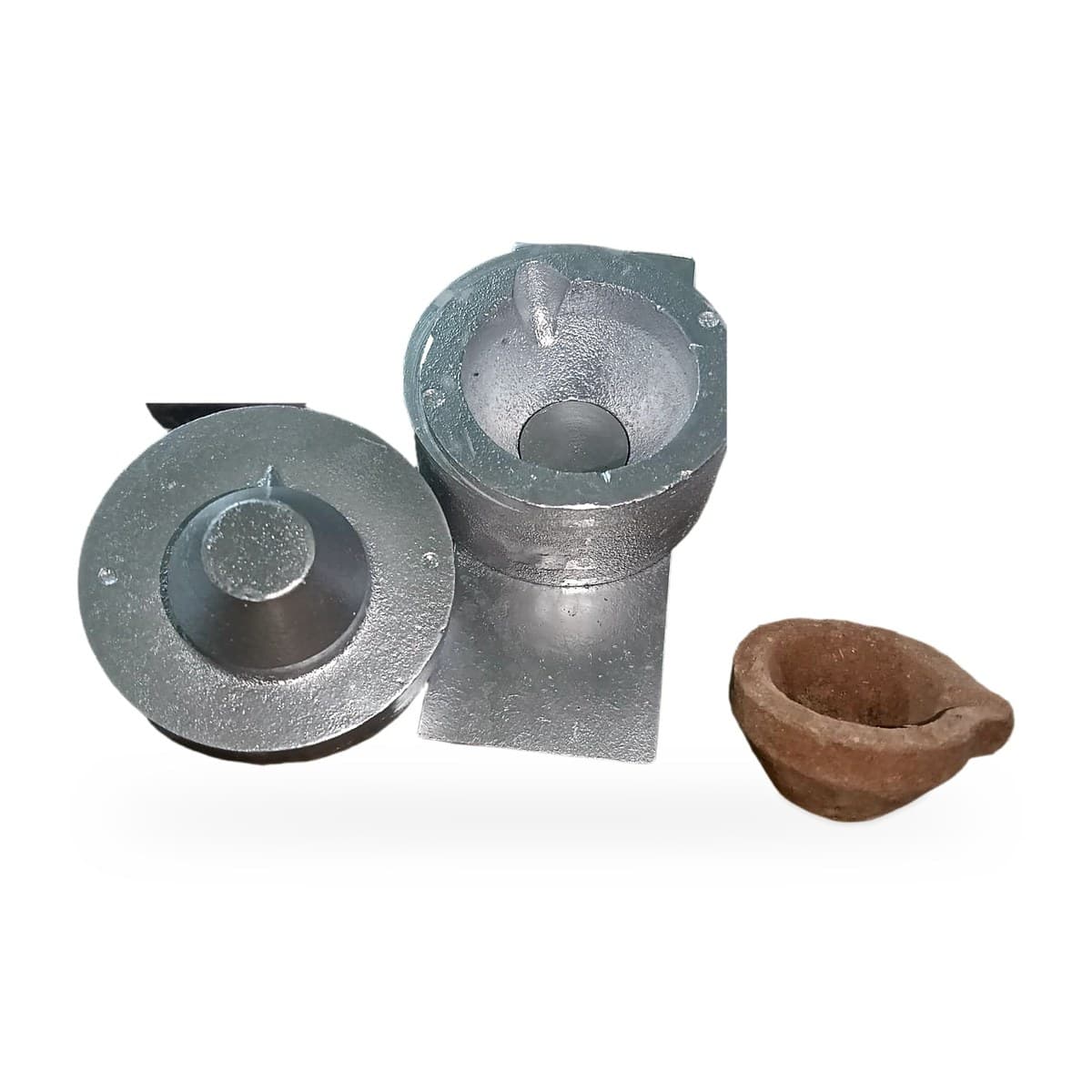
Matched upper punch and lower cavity sets, cast in metal, that fit manual diya making machines. Plain round and decorative patterned designs let one machine make several kinds of cow dung or clay diya.

Cast metal diya mould set: upper punch, lower cavity with wick lip, and a finished brown diyaPunch, cavity and the diya it makes1 / 4
Set
Punch + cavity
Designs
Plain & patterned
Build
Cast metal
Fits
Manual diya machines

Or call+91 85058 21738/+91 96257 59353

  • Matched pairs
  • Design photos on request
  • Durable cast metal
  • Support Mon – Sat

Part of our pooja items machines range · GST 18% extra

01Specifications

Technical Specifications

Available in 2 fully automatic models. Compare them below, then ask us for the one that fits your output and power supply.

Get Spec Sheet
Diya Making Moulds: specifications of both models
SpecificationPlainRound diyaPatternedDecorative diya
PartsUpper punch + lower cavityUpper punch + lower cavity
MaterialCast metalCast metal
UseCow dung and clay diyasCow dung and clay diyas
FitsManual diya making machinesManual diya making machines
Diya diameter——
Weight per set——

Sizes and weights are available on request. Tell us which machine you have, or send a photo of its mounting, so we can confirm the mould fits before you order. — = not on that model’s sheet yet.

Key Features

  • Matched punch and cavity

    Each set is a pair. The punch forms the bowl and the cavity forms the outside and the wick lip.

  • Plain and patterned

    Plain round diyas for everyday pooja, and patterned designs for gift packs and festival sales.

  • Cast metal

    Cast construction holds its shape under repeated pressing through a busy season.

  • Swap in minutes

    Changing a set lets the same machine switch from one design to another.

  • Clean wick lip

    The lip is formed in the cavity, so every diya has the same neat spout.

  • Build a range

    A few designs on one machine let you offer buyers a choice without buying more machines.

02Raw Material

What You Pair the Mould With

A mould is only half the job. It needs a press to drive it and a mixture that releases cleanly, and the right pairing is what gives a sharp pattern.

Raw Material Price
  1. 1Pick a designPlain or patterned set
  2. 2Fit to the pressPunch on top, cavity below
  3. 3This mouldShapes bowl, rim and wick lip
  4. 4ReleaseDiya lifts out clean
  5. 5DryShade dried before packing
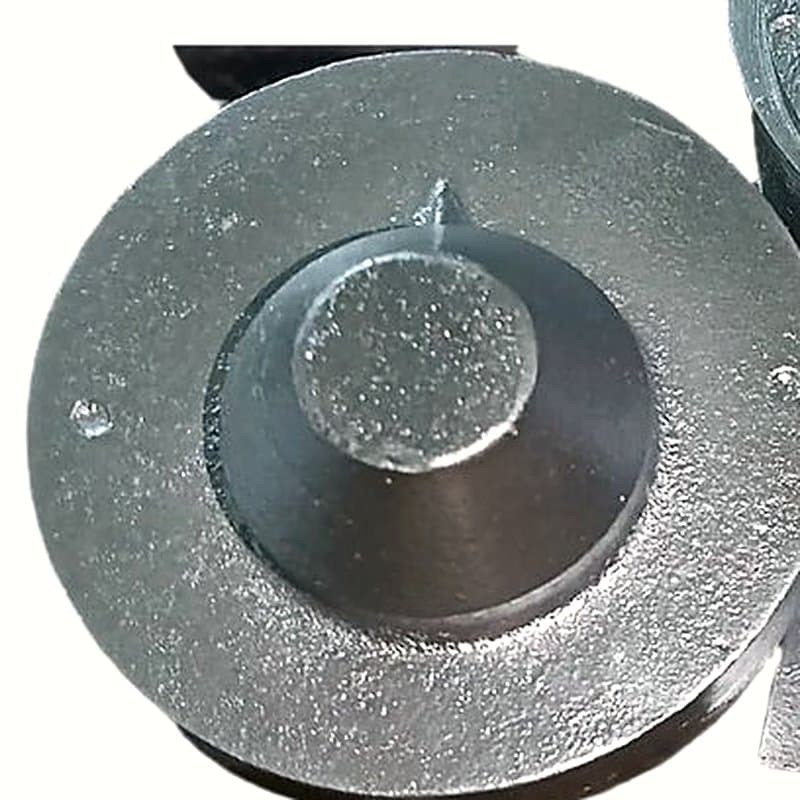
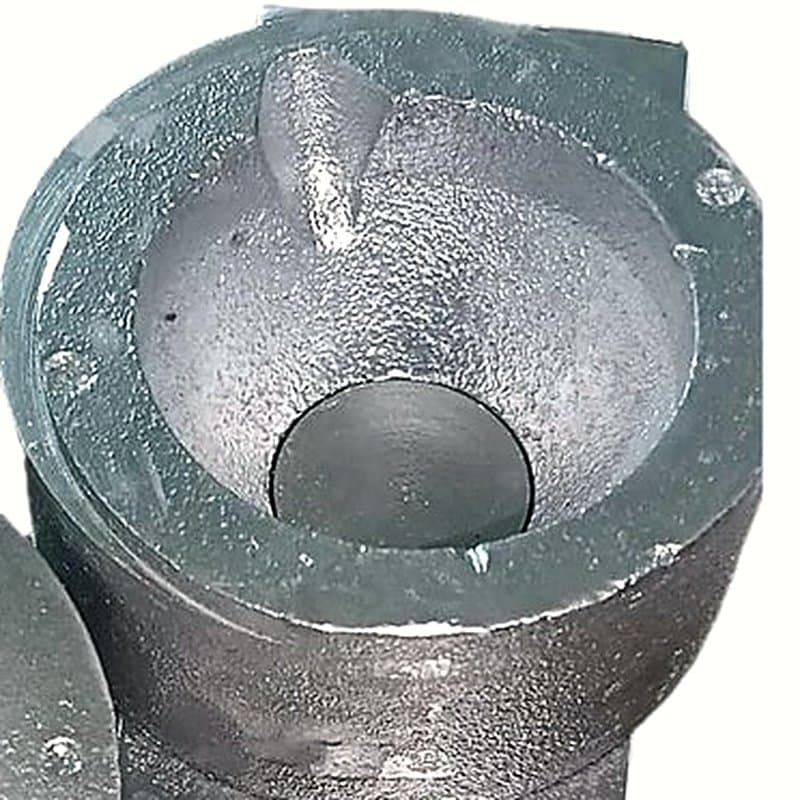
  • Upper punch of a cast metal diya mouldCore

    Upper Punch

    Male die

    Presses down into the mixture and forms the inside bowl of the diya.

    Check when buying

    • Face smooth and undamaged
    • Mounts square on the press head
    Get price of upper punch
  • Lower cavity of a diya mould with wick lipCore

    Lower Cavity

    Female die

    Forms the outside, the base and the wick lip. Any pattern is carried here.

    Check when buying

    • Pattern clean, no build-up
    • Seated firmly on the base
    Get price of lower cavity
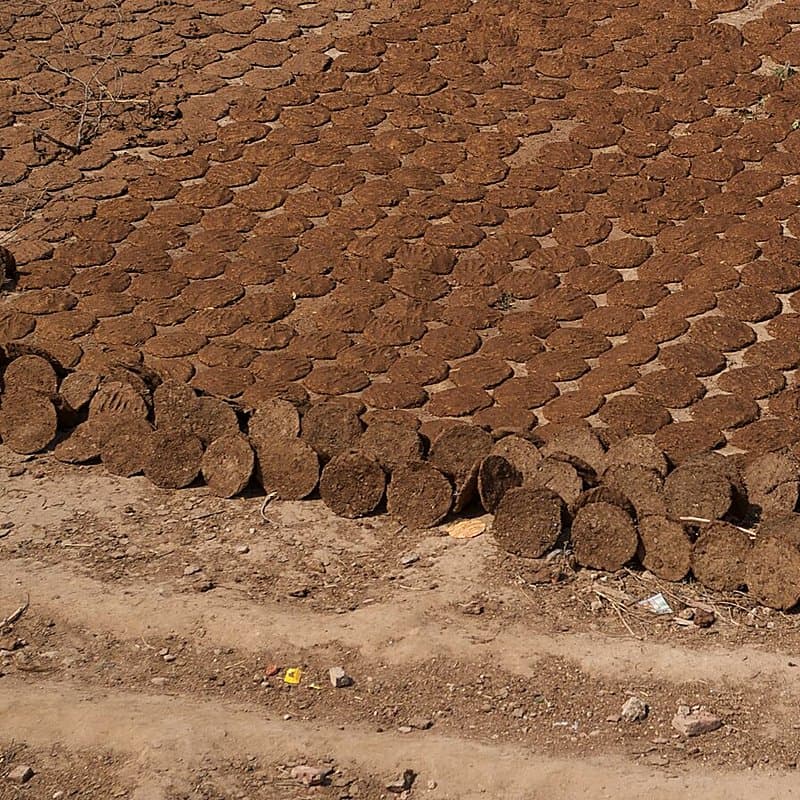
  • Cow dung patties drying, the base for gobar diyasCore

    Cow Dung Mixture

    Gobar dough

    Dried, powdered gobar mixed with binder and water to a firm dough that takes the pattern.

    Check when buying

    • Firm, not wet
    • Fine enough to show the pattern
    Get price of cow dung mixture
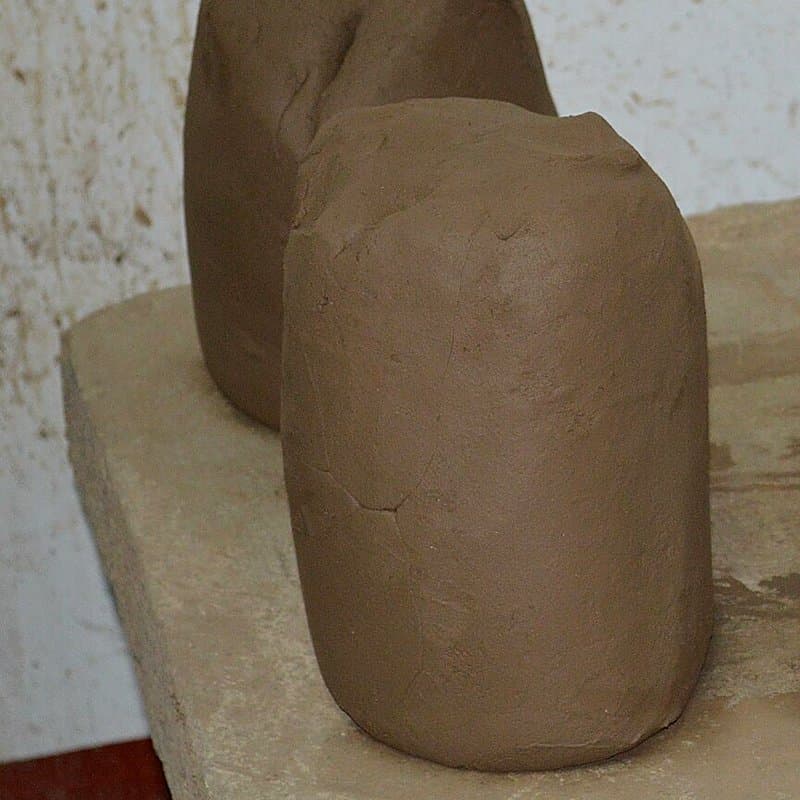
  • Wedged potter’s clay blocksCore

    Potter’s Clay

    Mitti

    Clean, kneaded clay gives a crisp clay diya from the same mould.

    Check when buying

    • No grit
    • Kneaded smooth
    Get price of potter’s clay
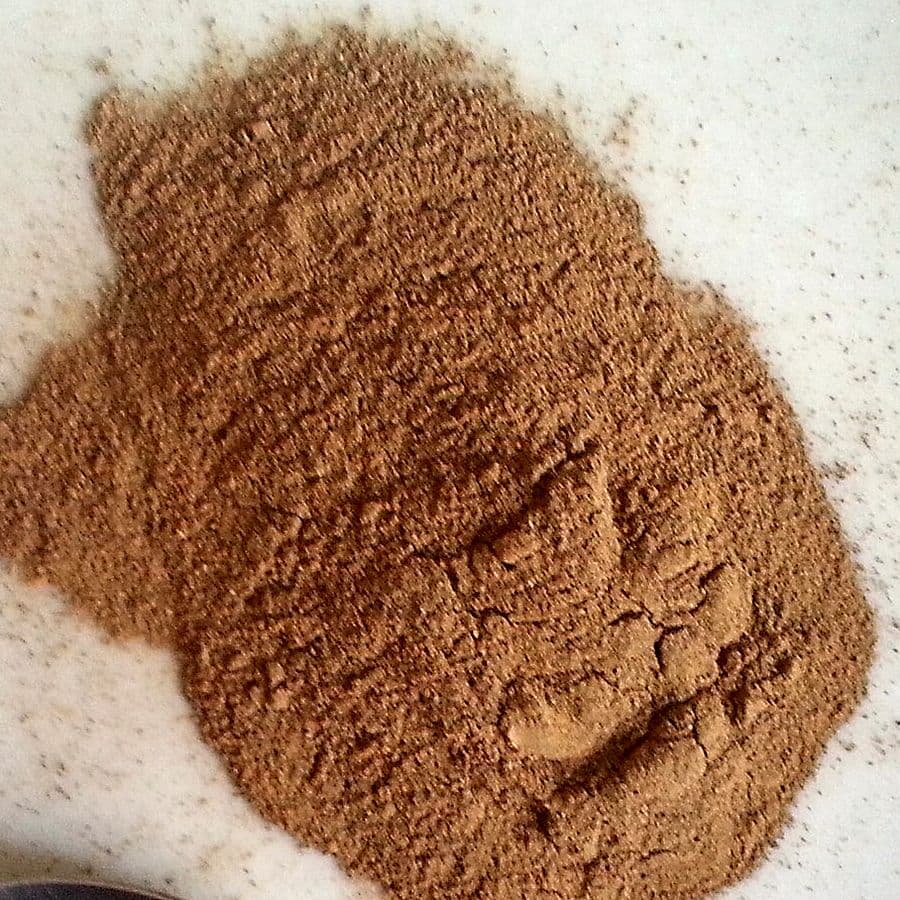
  • Jigat binder powderFinishing

    Binder

    Jigat

    Helps gobar diyas hold the pattern and survive drying.

    Check when buying

    • Evenly mixed
    • Measured share
    Get price of binder

Material photos (illustrative): Dung patties by Andrew Turner, CC BY 2.0 · Potter’s clay by AlejandroLinaresGarcia, CC BY-SA 4.0.

One supplier · one quote

Get the machine and your first raw material lot together

Sticks, masala and fragrance that suit this machine, in the same quotation, so production can start as soon as it is installed.

Get Combined Quote

03Complete Guide

Diya Making Moulds: The Complete Guide

How a punch and cavity pair shapes a diya, choosing plain or patterned designs, fitting the mould, getting a clean release and caring for moulds.

By the Shivaa Traders team Updated 5 min read

What Is a Diya Mould?

The press supplies the force, but the mould decides what the customer sees. Shape, wall thickness, the spout and any pattern on the outside all come from the mould. That makes it the cheapest way to change your product. A new design costs far less than a new machine and can open a new set of buyers.

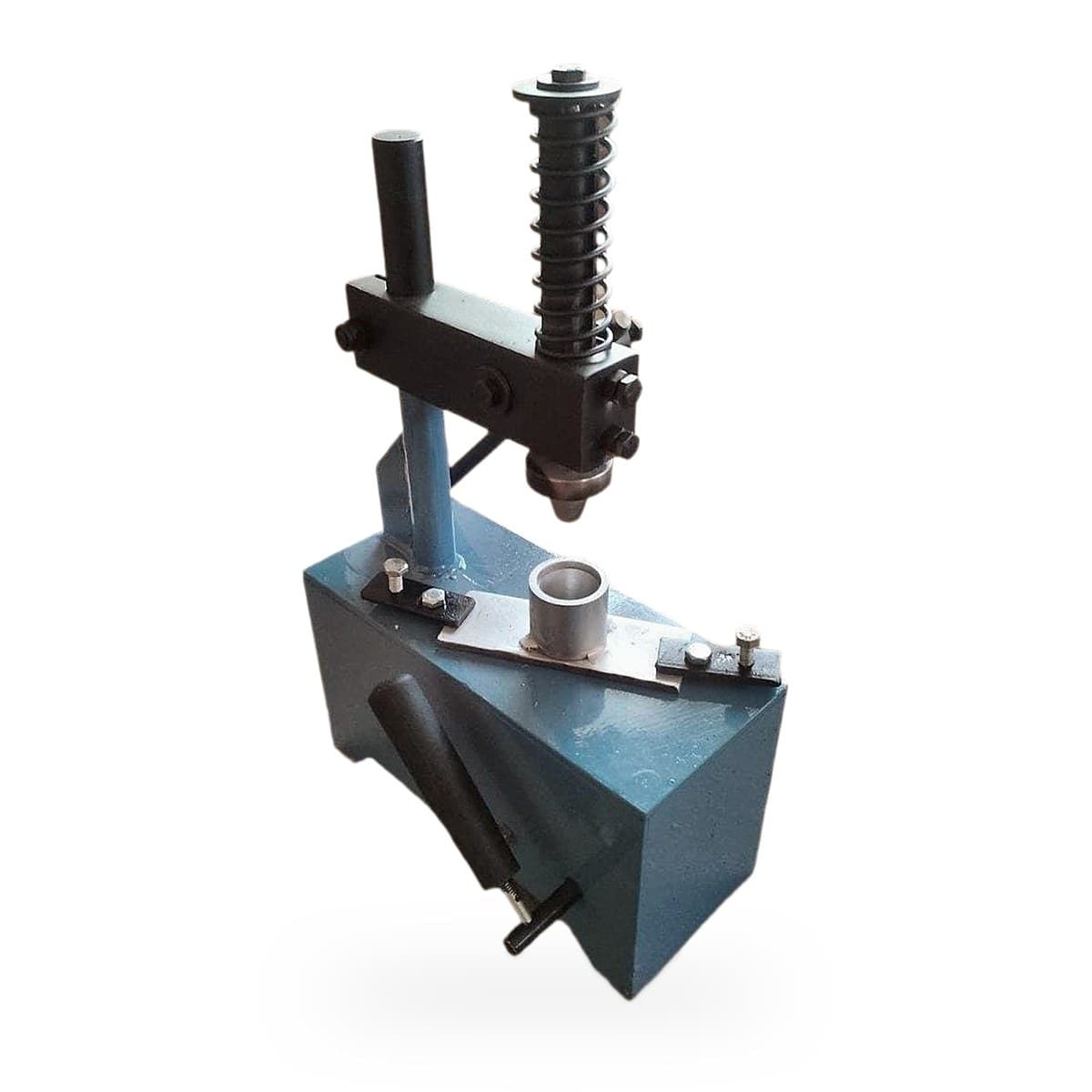
The moulds on this page are made for the manual hand-lever diya making machine. Each set is supplied as a pair, cast in metal so it holds its shape through a long festival season.

Think of moulds the way a baker thinks of tins. The oven stays the same while the tins decide what goes on the shelf. A unit with one machine and four or five mould designs can offer a small catalogue of its own: a plain everyday diya, a slightly larger one for temples, and a couple of decorative pieces for gift boxes. Each new design only needs the dough recipe you already use, with perhaps a finer sieve for detailed patterns. That is why many buyers add moulds in their second season, once they know which designs their customers ask for again and again.

Punch and Cavity: How a Pair Works

Look at the product photo and you can see both halves. The punch has a raised cone that pushes into the dough and forms the inside bowl. The cavity is a cup with a small ridge that becomes the wick lip. When the lever brings them together, the dough fills the gap between them, and that gap is the diya.

Because the gap is set by the pair, the punch and cavity must stay together. Mixing a punch from one set with a cavity from another can give a wall that is thick on one side and thin on the other. Mark each pair and store them together.

Plain or Patterned: Choosing Designs

Plain and patterned diya moulds compared
Plain mouldPatterned mould
LookSmooth round diyaRaised design on the outside
Best forDaily pooja, bulk ordersGift packs, festival sales
DoughForgivingNeeds a finer powder to show detail
CleaningQuickNeeds a brush to clear the pattern

Most units start with a plain mould for volume and add one or two patterned designs for buyers who want something special. Ask us for photos of current designs. Sizes are available on request.

Fitting a Mould to Your Machine

The moulds fit manual diya making machines. Before ordering, tell us which machine you have, or send a photo of the head and base where the mould mounts. That way we can confirm the fit and you do not receive a set that needs modifying.

When fitting, mount the punch squarely on the head and seat the cavity firmly on the base. Bring the head down slowly without dough the first time and check the punch enters the cavity centrally. If it rubs on one side, adjust the cavity before you start pressing.

Getting a Clean Release

A diya that sticks spoils the shape and slows you down. Three things decide a clean release:

  • Dough moisture. Firm dough releases; wet dough clings. Cow dung dough should not leave your hand wet.
  • A thin film of oil. Wipe the punch and cavity lightly every so often. Too much oil marks the diya.
  • Clean surfaces. Dried crumbs in the pattern grip the next diya. Brush them out.

Cleaning, Storage and Wear

At the end of each session, brush out all residue from both halves while it is still soft. Dried cow dung and clay are much harder to remove the next morning. Wipe the moulds dry, give them a light coat of oil and store them in a dry box, pair by pair.

Check moulds before each season. Chips on the rim of the cavity, a worn wick lip or a damaged pattern show up on every diya, so replace or set aside worn sets. Never strike a mould with a hammer to free a stuck diya; soak it and clear it gently instead.

Building a Product Range

A few designs on one press let you serve more buyers. From the same raw material many units also make samrani cups on a lever press and gau kasth logs on a cow dung log machine. Diyas also sell better with wicks, which you can make on an automatic long cotton wick machine or a round wick machine.

A festival gift box with patterned diyas, wicks and a few samrani cups is a simple product that lifts the value of every diya you make.

What to Tell Us When Ordering

A little detail at the start avoids a wrong order. When you message us about moulds, please include:

  • The machine you will use, ideally with a photo of the head and the base where the mould mounts.
  • Whether you will press cow dung, clay or both.
  • The size of diya your buyers expect, if you know it.
  • Whether you want plain, patterned or both, and how many sets of each.
  • When you need them, especially if it is close to Diwali.

We will reply with current designs, sizes and prices. GST at 18% is extra. If you are buying a diya machine at the same time, ordering the moulds together means everything is checked for fit before dispatch.

Order spare sets of your best-selling design. During the festival rush a chipped or worn mould can stop a whole day of production, and replacements take time to reach you. Keeping one spare pair of each popular design on the shelf is a small cost compared with lost orders.

Short Mein Samjhiye (Hinglish Summary)

Diya mould ek jodi hoti hai: upar ka punch jo andar ka katora banata hai, aur neeche ka cavity jo bahar ka shape aur batti ki jagah banata hai. Hamare mould cast metal ke hain, saade aur design wale dono milte hain, aur manual diya machine par lagte hain.

Punch aur cavity hamesha saath rakhiye. Mixture sakht rakhiye, mould par halka tel lagaiye, aur har din ke baad saaf karke sookha rakhiye. Apni machine ki photo bhejiye, hum fit confirm kar denge. Design aur price ke liye WhatsApp kijiye.
Have a question this guide didn’t answer?Our team replies on WhatsApp and call, Mon – Sat, 10:00 AM – 7:00 PM.

Ask on WhatsApp

FAQs

Frequently Asked Questions

What buyers ask us most about the diya making moulds.

Ask your own question on WhatsApp

What is the price of a diya mould?

It depends on the design. Message us for current prices. GST at 18% is extra.

What is in one set?

A matched upper punch and lower cavity.

Will it fit my machine?

They are made for manual diya making machines. Tell us your machine or send a photo so we can confirm the mounting.

What designs are available?

Plain round and decorative patterned designs. Ask for photos of current designs.

What size diya does it make?

Sizes are available on request.

Can one mould do cow dung and clay?

Yes, the catalogue lists both. Clean the mould well when switching material.

How do I stop the diya sticking?

Keep the mixture firm and wipe the mould with a thin film of oil.

How do I clean the mould?

Brush out residue after each session, wipe dry and store lightly oiled so it does not rust or collect dust.

Should I keep the punch and cavity together?

Yes. They are a matched pair. Mixing parts from different sets can give uneven walls.

Do you sell the machine too?

Yes, the manual diya making machine is on its own page.

Best price

Get the price of the Diya Making Moulds

Tell us your model, power supply and stick size. We reply with the price, spec sheet and demo video, and a raw material quote if you need one.

Get Best Price on WhatsApp

Send an enquiry

The machine is already selected. Add your details and press send.

Opens WhatsApp with your details filled in.