
What the Upgraded Model Is
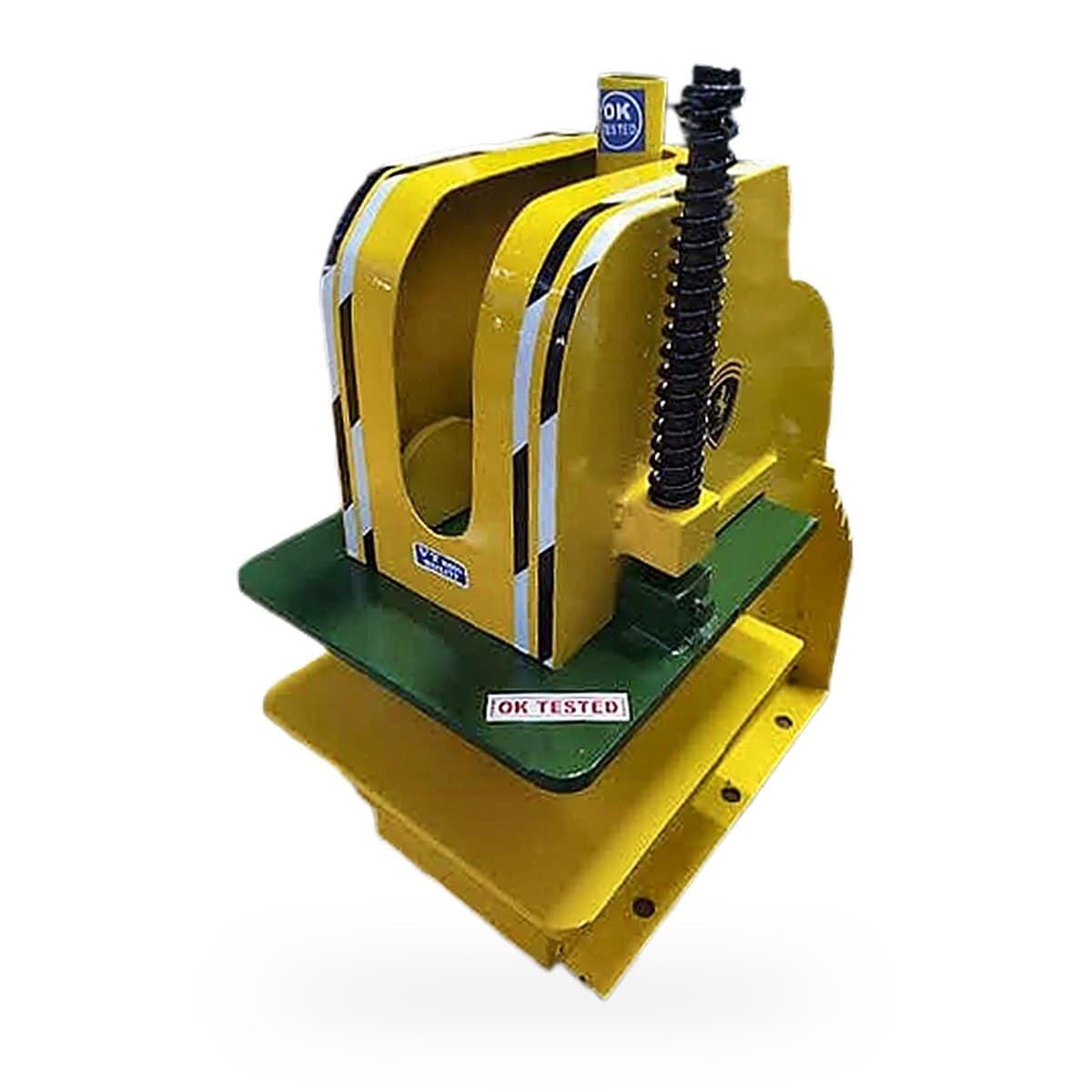
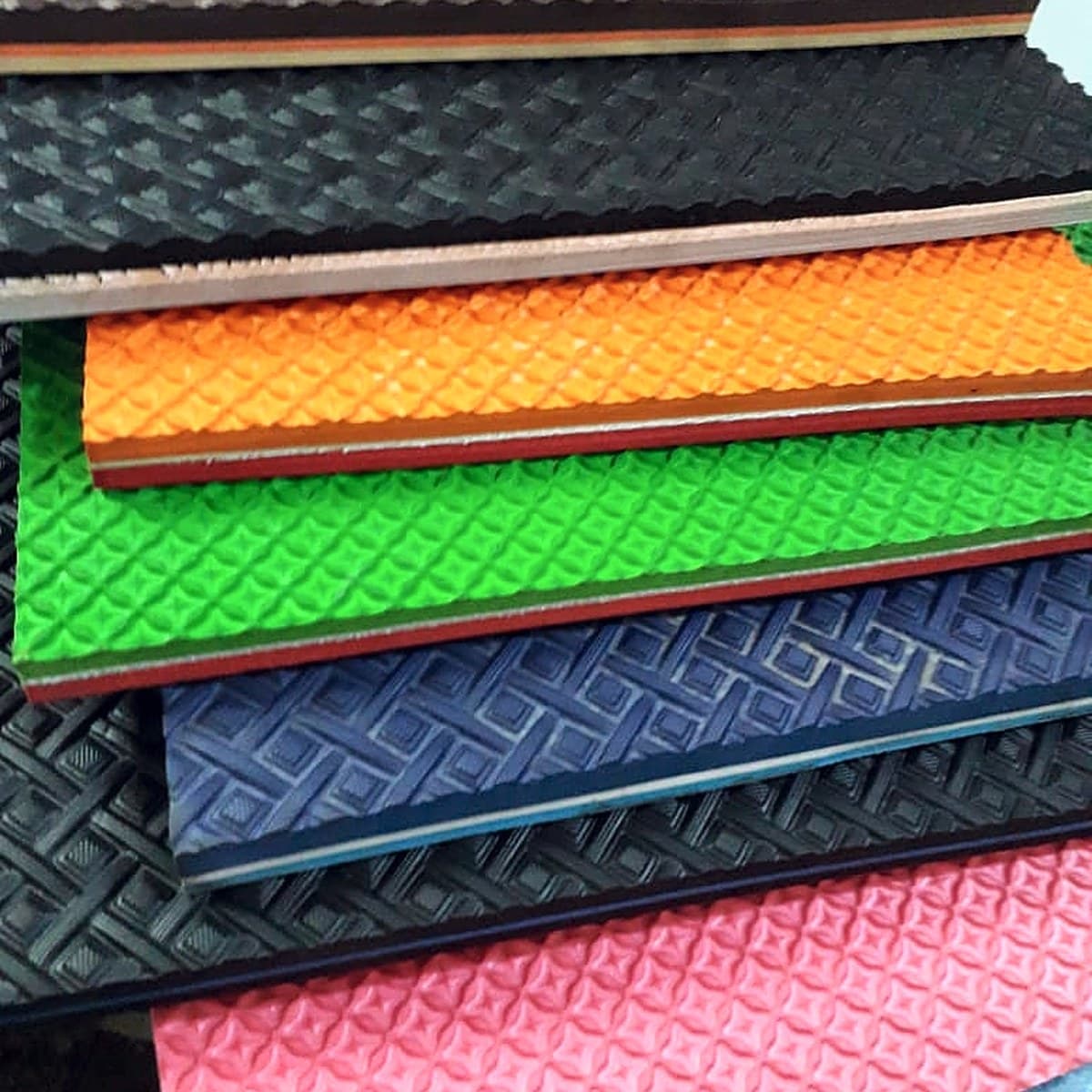
Every hawai chappal starts as a flat soling sheet. A steel die in the shape of the sole is placed on the sheet, a press pushes the die through, and the sole comes out. The press does nothing else, but it does that job hundreds of times a day, so how it is built matters.
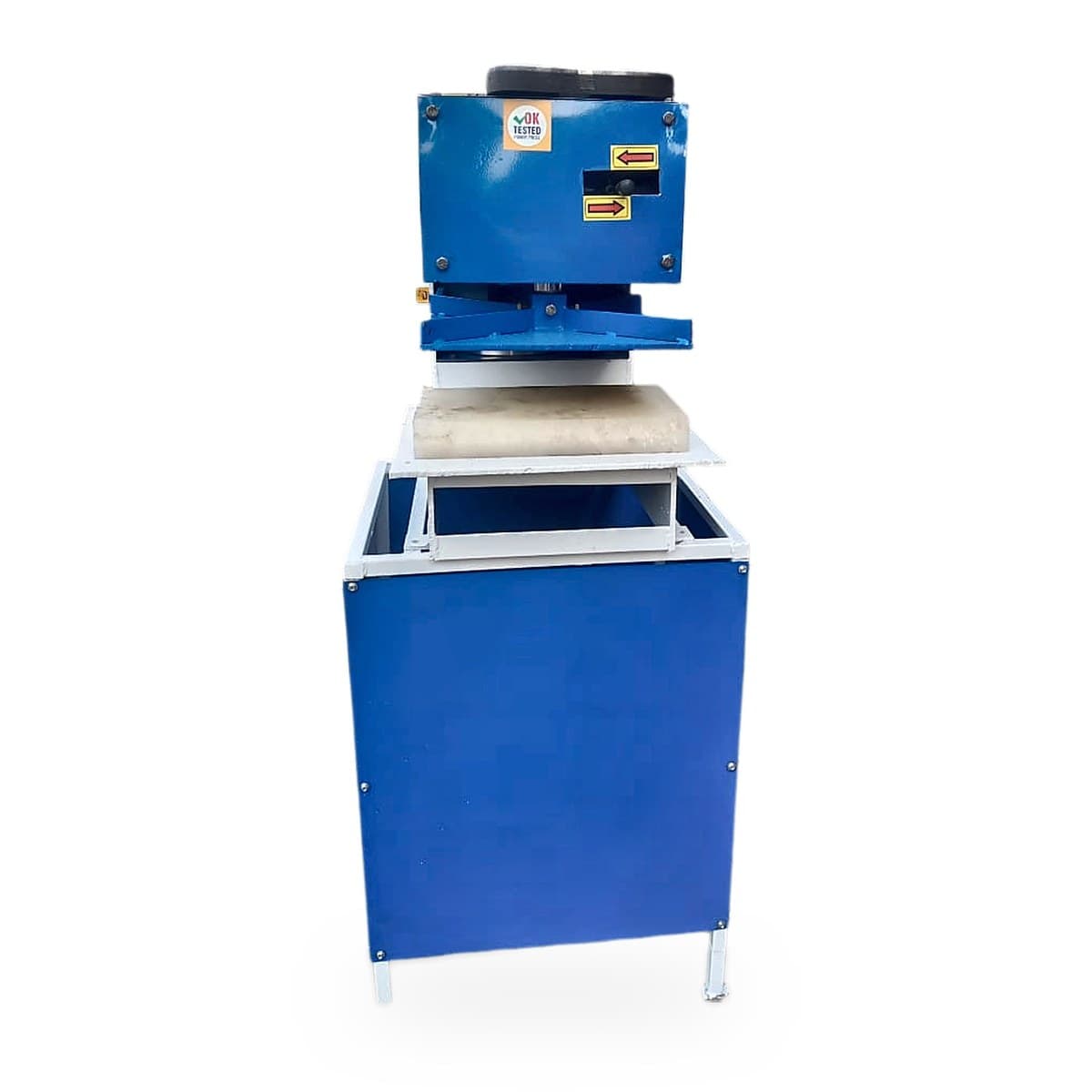
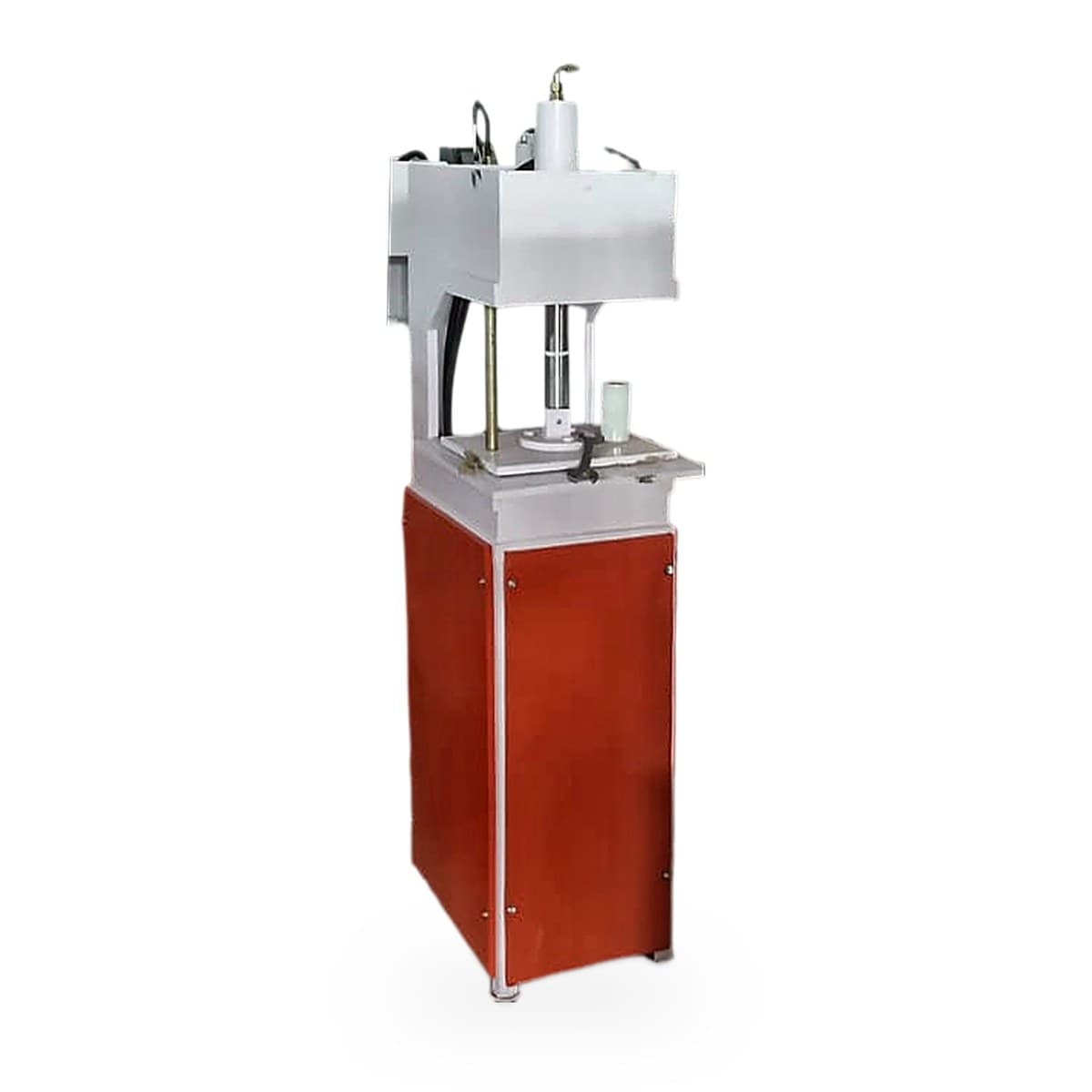
This model does the same job as our standard hydraulic slipper making machine. What the catalogue lists as different is the build: a cabinet body with the hydraulic unit inside it, a strong top frame that carries the cylinder, and a solid cutting platform. The tonnage, motor and size are not on the published sheet, so ask us for the full specification and compare the two side by side before you choose.
What the Cabinet Build Changes on the Floor
A built-in hydraulic unit sounds like a small detail. On a workshop floor it makes three practical differences.
- Cleaner oil. The pump and tank sit inside a closed cabinet, away from EVA dust and offcuts. Dirty oil is the most common reason hydraulic seals wear early.
- Fewer loose hoses. Short internal hose runs mean less to catch, kink or get stepped on.
- A smaller, tidier footprint. The press is one unit you can stand against a wall, with the sheet stack on one side and cut soles on the other.
The stronger frame and platform affect cut quality. When a die is pushed through a sheet, the frame stretches slightly and the platform takes the load. Less flex means the die meets the block evenly all the way round, so you get fewer soles with uncut tags at the toe or heel.
When the Upgrade Is Worth It
Consider the upgraded model if one or more of these is true for your unit:
- You are buying your second press and want the cutting station to run all day without fuss.
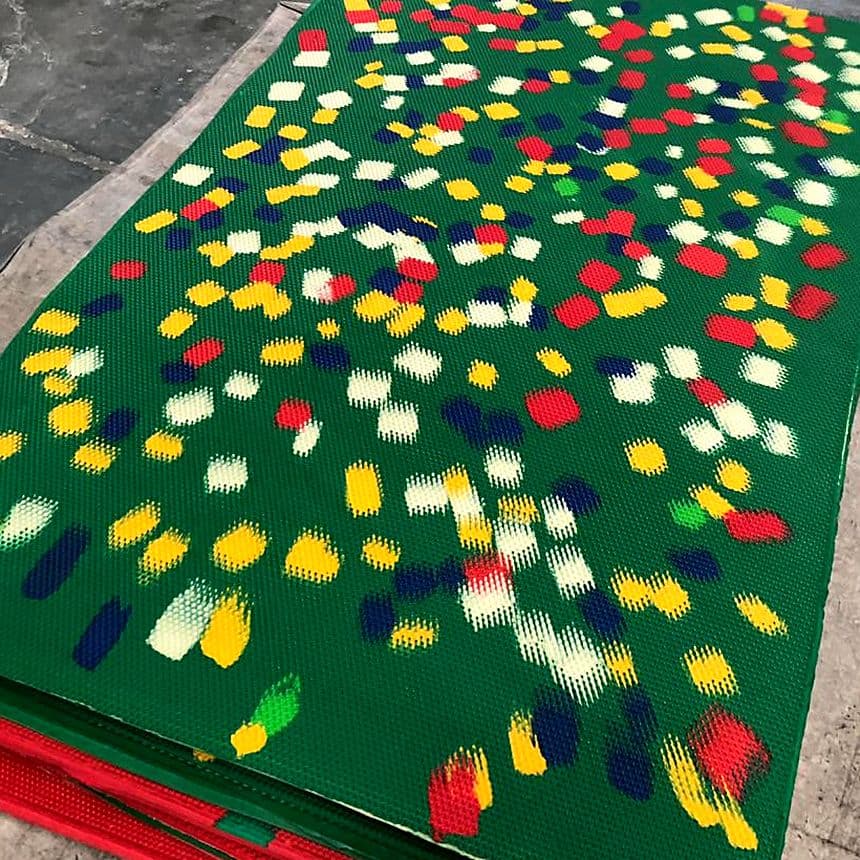
- You cut printed sheets, where a torn or uneven edge is easy to see and hard to sell.
- Your workshop is dusty and you have had seal or oil trouble with an older press.
- You want a machine new staff can learn on, with a smooth stroke and a steady platform.
If you are starting with a very small budget, a manual slipper making machine set gets you into production first, and a hydraulic press can follow once cutting becomes the slow step.
Upgraded, Standard Hydraulic or Power Press
| Point | Upgraded hydraulic | Standard hydraulic | 15 ton power press |
|---|---|---|---|
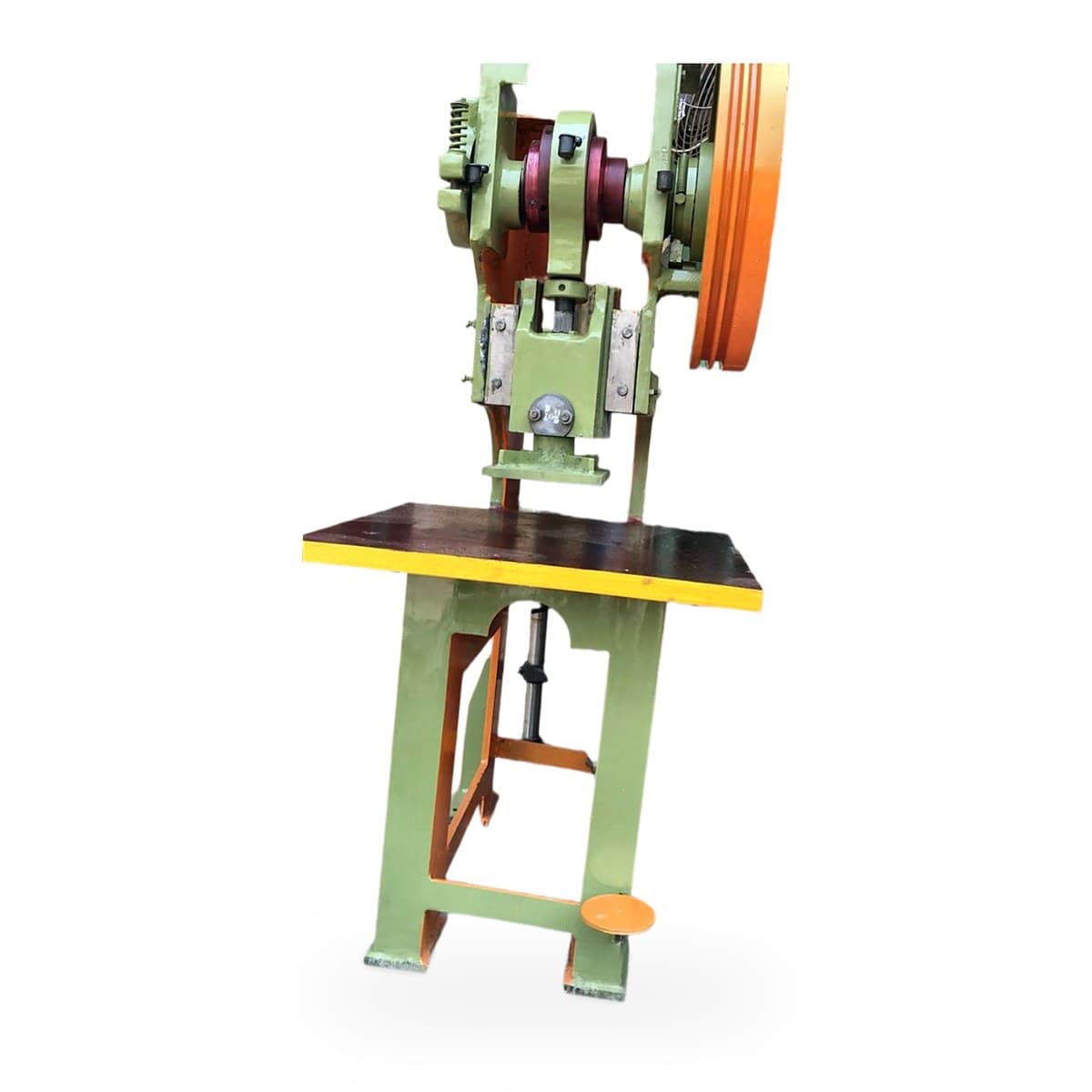
| Drive | Hydraulic cylinder | Hydraulic cylinder | Flywheel, mechanical |
| Body | Cabinet, built-in hydraulic unit | Heavy cabinet type | Heavy cast body, working table |
| Stroke feel | Smooth, controlled | Smooth, controlled | Fast impact |
| Suits | Steady all-day cutting | First press, complete set | Experienced operators at volume |
The 15 ton power press slipper making machine cycles faster, but its hard impact is tougher on dies and needs a practised operator. For most small and mid-sized units a hydraulic press is the easier machine to live with.
A Simple Daily Routine
- Check the oil level through the cabinet before switching on.
- Look under and around the cabinet for any oil drops, which point to a loose fitting or a worn seal.
- Wipe the platform and cutting block, and clear offcuts from the last shift.
- Make a test cut on a scrap piece and look at the whole edge before cutting good sheet.
- At the end of the day, switch off, clean around the press and stack offcuts away from the cabinet vents.
Change the hydraulic oil at the interval we give you with the machine, and use the grade we recommend. Mixing grades or topping up with any oil to hand is a common cause of slow strokes.
Getting Clean Cuts: Dies and the Block
A strong press cannot fix a dull die. If soles come out with ragged edges, check the die first. A nicked or rolled edge leaves a fine uncut thread in the same spot on every sole, and that is the clue.
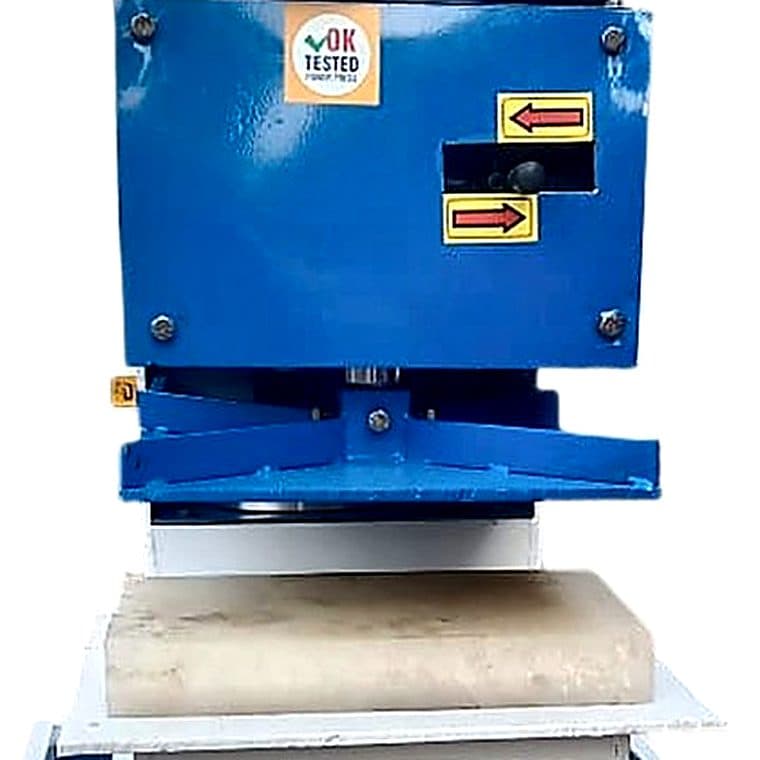
The nylon cutting block is the other half. Each cut leaves a faint line in it, and after many cuts in the same place a groove forms. A die that lands in a groove does not cut through cleanly. Move the die around the block, flip or resurface it when it scores, and keep a spare.
Safety at the Press
A hydraulic stroke is smoother than a mechanical one, but it still carries enough force to cut through a sheet, and it will cut through a finger just as easily.
- Hands stay out from under the head whenever the stroke is started.
- Only trained staff run the press. New staff watch first, then cut under supervision.
- Keep the floor around the press dry and clear of offcuts so nobody slips.
- Switch off before changing a die or the cutting block.
- Never leave the machine running unattended.
Workplace safety rules apply to presses in India. Check what applies to your unit with your local authority.
What to Ask Before You Order
Ask us for these in writing before you order, and compare them with any other quotation:
- The full spec sheet: tonnage, motor rating, power supply, platform size, weight.
- What exactly is different from the standard hydraulic model.
- Which dies are included, and the price of extra sizes.
- Recommended hydraulic oil and change interval.
- Warranty terms, installation charges and transport charges.
If you are setting up a wider small-manufacturing unit, it can be worth seeing what else runs on a similar budget, such as a double die paper plate making machine or a fully automatic agarbatti making machine, both of which also sell into local shops.
Short Mein Samjhiye (Hinglish Summary)
Yeh upgraded hydraulic machine chappal ka sole kaatne ke liye hai. Iska hydraulic unit cabinet ke andar hai, frame aur platform zyada mazboot hain, isliye cut saaf aur ek jaisa aata hai. Size badalna ho to sirf die badaliye. Tonnage aur motor ki detail hum request par bhejte hain. Sheet, strap, box aur die bhi Shivaa Traders se mil jaate hain. Price ke liye WhatsApp ya call kijiye, GST 18% alag.