Skip to content

ManualManual Sanitary Pad Machine

Manual Sanitary Pad Making Machine

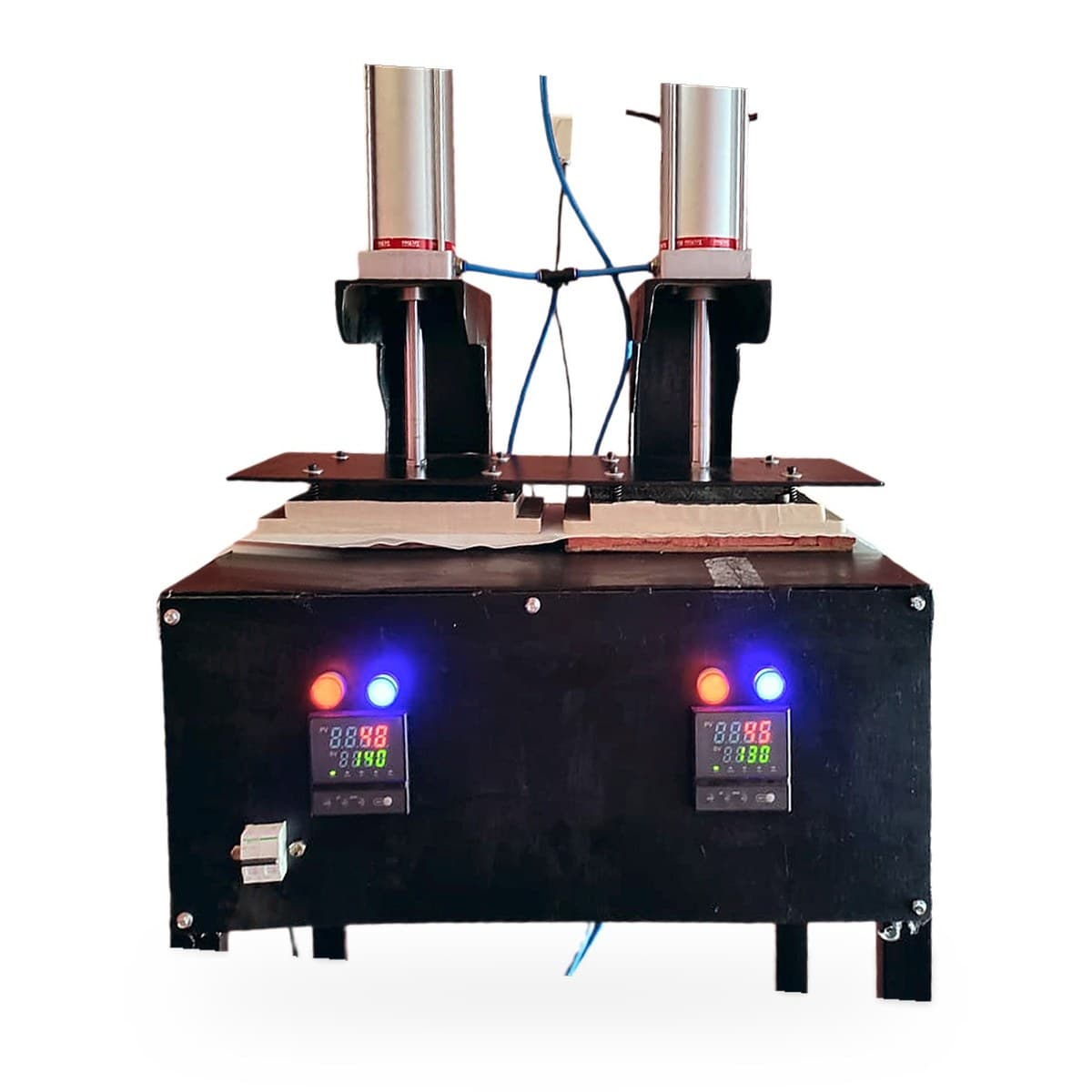
A compact table-top unit with two sealing presses, each with its own digital temperature controller, for sealing and shaping sanitary pads by hand. A low-investment way to start small-scale pad production.

Manual sanitary pad making machine: black table-top cabinet with two press heads on top and two digital temperature controllers with indicator lamps on the frontTwin presses with digital controllers1 / 4
Operation
Manual
Presses
Two sealing presses
Heat control
Digital controllers
Format
Table-top unit

Or call+91 85058 21738/+91 96257 59353

  • Suits self-help groups
  • Raw material guidance
  • Setup guidance
  • Support Mon – Sat

Part of our hygiene product machines range · GST 18% extra

01Specifications

Technical Specifications

Available in 1 fully automatic models. Compare them below, then ask us for the one that fits your output and power supply.

Get Spec Sheet
Manual Sanitary Pad Making Machine: specifications of both models
SpecificationManualTwin sealing press
OperationManual
Sealing pressesTwo
Temperature controlDigital temperature controllers
FormatCompact table-top unit
Output—
Power & air supply—
Pad sizes—
Size & weight—

The catalogue sheet lists detailed specifications as available on request, so output, power, pad sizes and dimensions are left blank. The machine in our photo has cylinder-driven presses with air lines, so ask us whether your model needs a compressed air supply. — = not on that model’s sheet yet.

Key Features

  • Two sealing presses

    Two presses on one table let one operator load the second press while the first is sealing, or let two people work side by side.

  • Digital temperature controllers

    Each press has its own controller with a display, so you set the sealing temperature and can see it is holding. Correct heat gives a firm seal without scorching.

  • Compact table-top unit

    The whole unit sits on one bench, so it fits in a small room or a community hall rather than a factory shed.

  • Low investment

    A practical starting point for small units, self-help groups and NGO projects that want to make pads locally before committing to an automatic line.

  • Simple to learn

    Pads are assembled by hand and the press seals and shapes them. Training is about consistency and hygiene, not about running complex machinery.

  • Indicator lamps for each press

    Lamps beside each controller show the operator at a glance which press is on and heating.

02Raw Material

The Raw Material You Assemble by Hand

On a manual machine the layers are cut and stacked by hand, then sealed in the press. Each material has a job, and the quality of each one is what the user feels.

Raw Material Price
  1. 1Cut layersTop sheet, back sheet and release paper cut to size
  2. 2Build corePulp and SAP laid in by hand
  3. 3This machineLayers sealed and shaped in the heated press
  4. 4CheckSeal, shape and cleanliness checked
  5. 5PackWrapped, counted and packed
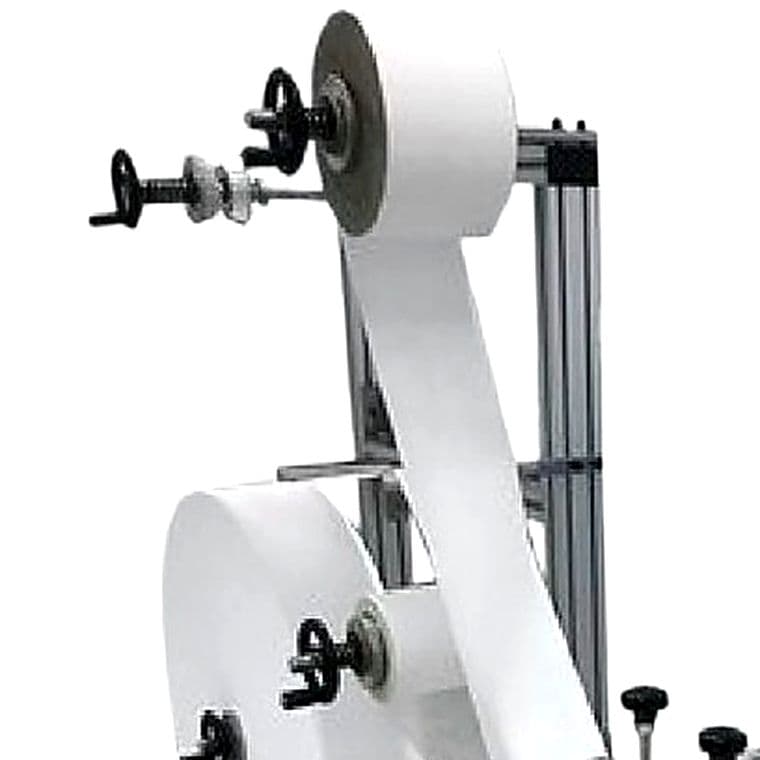
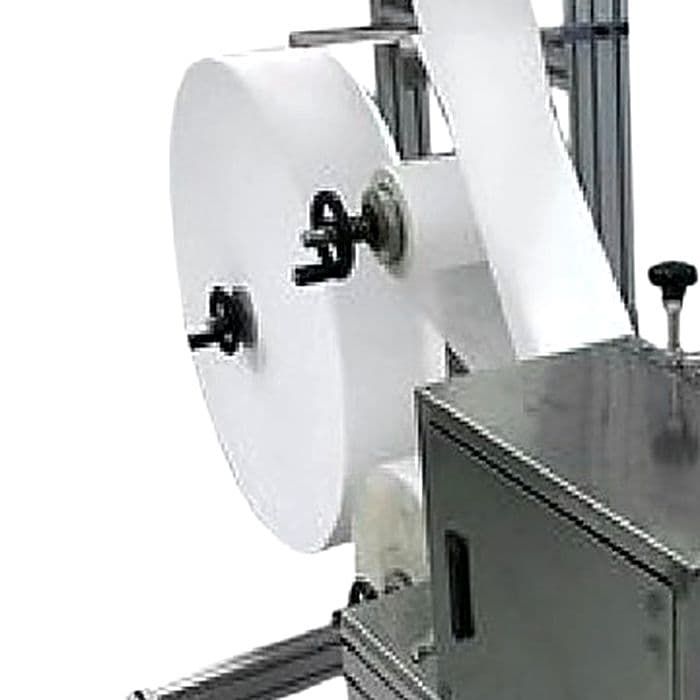
  • Reels of white non-woven fabric used for the top sheet of sanitary padsCore

    Non-Woven Top Sheet

    Perforated non-woven

    The soft layer against the skin. It lets liquid through to the core and stays dry to the touch. On a manual unit it is cut to size before assembly, so cutting must be clean and even.

    Check when buying

    • Soft, even fabric with no rough patches
    • Cut pieces stored covered
    • Seals cleanly at your press temperature
    Get price of non-woven top sheet
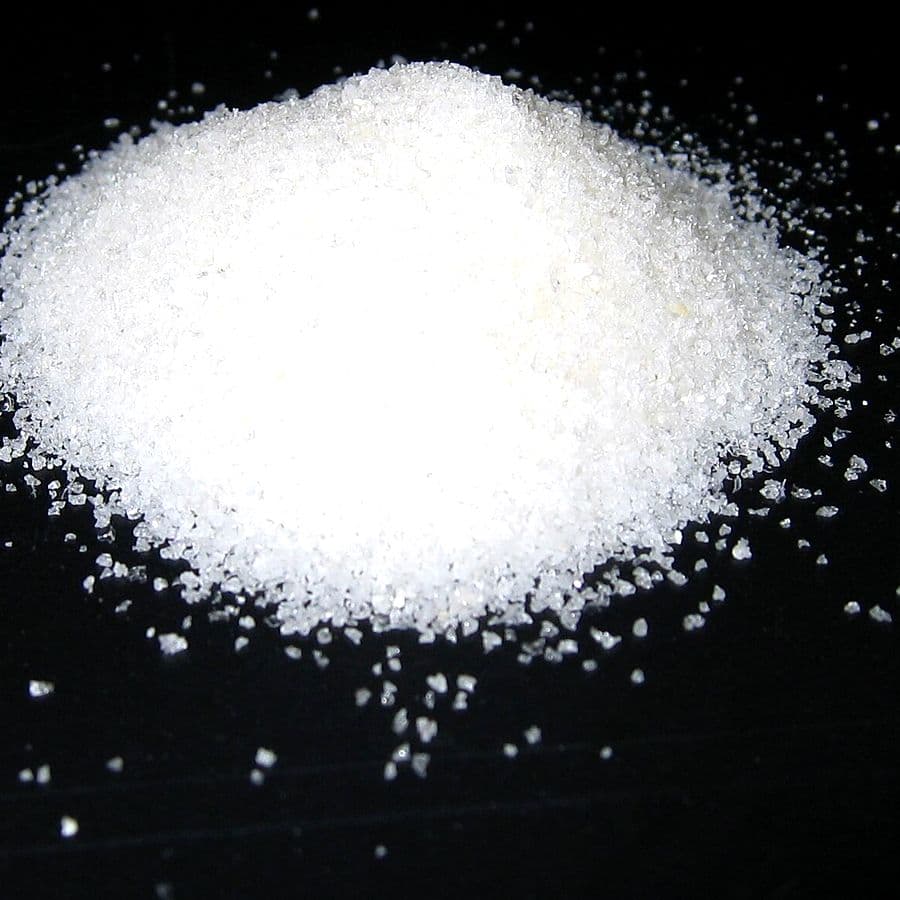
  • White super absorbent polymer granules, the material that holds liquid inside a sanitary pad coreCore

    Fluff Pulp & SAP

    Absorbent core

    Pulp spreads and holds liquid, and super absorbent polymer granules lock it in. On a manual unit the core is laid by hand, so weigh it to keep every pad the same.

    Check when buying

    • Core weighed, not judged by eye
    • Pulp clean and fluffy, with no lumps
    • Both kept dry and sealed
    Get price of fluff pulp & sap
  • Reel of white film used as the leak-proof back sheet of a sanitary padCore

    Back Sheet & Release Paper

    PE film, silicone paper

    The back sheet is the leak barrier and carries the adhesive. Release paper covers the adhesive until use. Both must seal well with the top sheet in the press.

    Check when buying

    • Film free of pinholes
    • Release paper that peels cleanly
    • Adhesive that holds without marking fabric
    Get price of back sheet & release paper
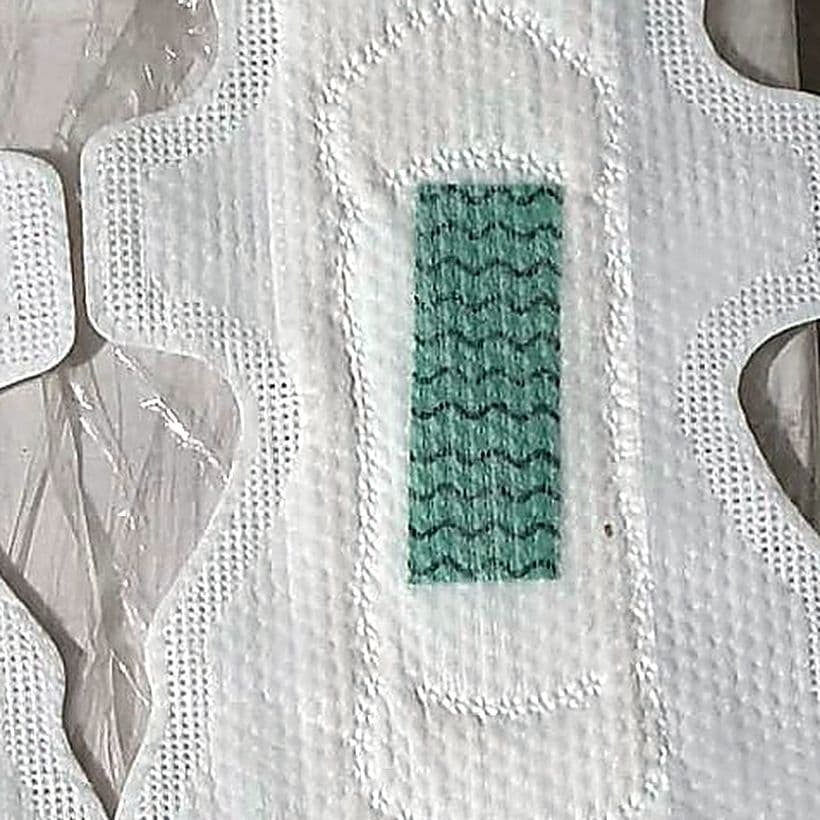
  • Close view of a finished pad's top sheet with its embossed channelsFinishing

    Finished Pads & Wrapping

    Pouches, cartons

    Sealed pads are checked, wrapped and packed into printed pouches. Packaging is what lets a group sell beyond its own village or campus.

    Check when buying

    • Every seal checked before wrapping
    • Clean, covered packing table
    • Pouch count and size matched to buyers
    Get price of finished pads & wrapping

One supplier · one quote

Get the machine and your first raw material lot together

Sticks, masala and fragrance that suit this machine, in the same quotation, so production can start as soon as it is installed.

Get Combined Quote

03Complete Guide

Manual Sanitary Pad Making Machine: The Complete Guide

How a twin sealing press fits into a hand-assembly pad unit, and how self-help groups and NGOs can run one well.

By the Shivaa Traders team Updated 5 min read

What Is a Manual Sanitary Pad Making Machine?

A sanitary pad is a layered product: a soft top sheet, an absorbent core, a leak-proof back sheet and release paper over the adhesive. A fully automatic line builds those layers from reels at speed. A manual machine takes a simpler route. People prepare and stack the layers, and the machine does the part that hands cannot do well, which is sealing the edges with heat and pressure and pressing the pad into shape.

The unit in our photo is a black table-top cabinet. On top are two press heads, side by side, each driven by a cylinder with air lines running to it. On the front are two digital temperature controllers, one for each press, with indicator lamps above them. Because the photo shows air lines, ask us whether your model needs a compressor before you plan the room.

What the Machine Does and What Your Team Does

Who does what in a manual sanitary pad unit
StepDone byWhat decides quality
Cutting layersHand or separate equipmentClean, even edges and the right size
Laying the coreHandSame weight of pulp and SAP in every pad
Stacking layersHandLayers centred, nothing folded
Sealing and shapingThe two pressesCorrect temperature and pressing time
Wrapping and packingHandClean table, careful counting

The table shows why a manual unit is mostly about people. Ask us exactly what comes with the machine and what other tools, such as a cutting die or a core tray, you need alongside it.

Making a Pad, Step by Step

  1. Cut the top sheet, back sheet and release paper to size, and keep them covered.
  2. Weigh out the pulp and SAP for each core, and lay it evenly on the back sheet.
  3. Place the top sheet over the core, lining up the edges.
  4. Put the stack in the press. The heated press seals the edges and sets the shape.
  5. Check the seal all the way round. Put aside any pad with a weak or scorched edge.
  6. Fix the release paper, wrap each pad, and pack them in counted pouches.

With two presses, one person can load one press while the other is sealing, or two people can work one press each. Lay out the table so cut material flows towards the presses and finished pads flow away to packing.

Getting the Seal Right

A good seal needs the right heat for the right time. Too cold and the layers peel apart. Too hot and the edge scorches, hardens or melts through. The digital controllers let you set a temperature and see that the press is holding it.

Wipe the press faces when they are cool, keep them free of melted film, and switch off both heaters at the end of the day.

Hygiene in a Small Unit

A pad is worn against the body, so the room matters as much as the machine. Use an enclosed, dry, dust-controlled room with washable surfaces. Keep raw material in sealed bags off the floor. Workers should wash hands, cover hair and keep food away from the work tables. Clean the tables and presses at the start and end of every shift, and keep a simple cleaning record. Buyers notice care, and careless packing loses them quickly.

Room, Power and What to Ask Before Buying

The machine itself only needs one sturdy bench. The unit around it needs more: a clean table for cutting, a table for assembly next to the presses, a packing table, and closed shelves or bins for raw material and finished stock. A single room can work if it is laid out in that order.

Before you order, ask us for these details:

  • The power supply the heaters need, and whether a compressor is required.
  • The pad sizes and shapes the press dies are made for.
  • How long one sealing cycle takes, so you can plan staff and output.
  • What tools for cutting and core forming are included, and what you must add.
  • Where to buy the raw material in the quantities a small unit needs.

Planning a Self-Help Group or NGO Unit

Manual pad units are often set up by women’s self-help groups, NGOs, schools and CSR projects. The machine is rarely what goes wrong. These are the usual problems, and how to avoid them:

  • Material runs out. Arrange a regular supplier for non-woven, pulp, SAP, film and release paper before the machine arrives, and keep a buffer stock.
  • Pads vary. Weigh every core and check every seal. Uneven pads are what make buyers go back to shop brands.
  • No sales route. Line up buyers first: schools, local shops, health workers and community networks.
  • Paperwork. Sanitary napkins are a regulated product with an applicable Indian Standard and labelling and disposal information requirements. Check what applies before you print packaging.

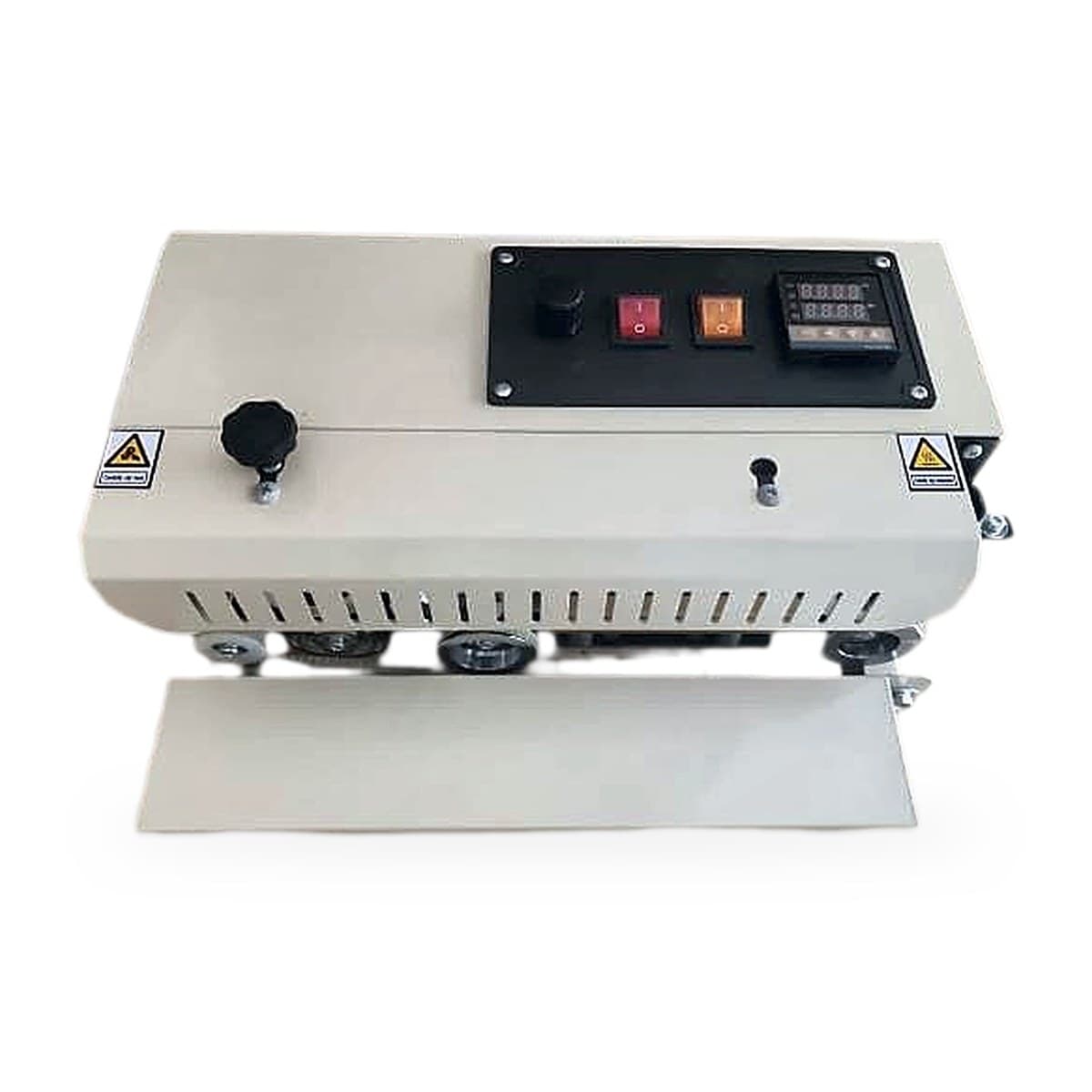
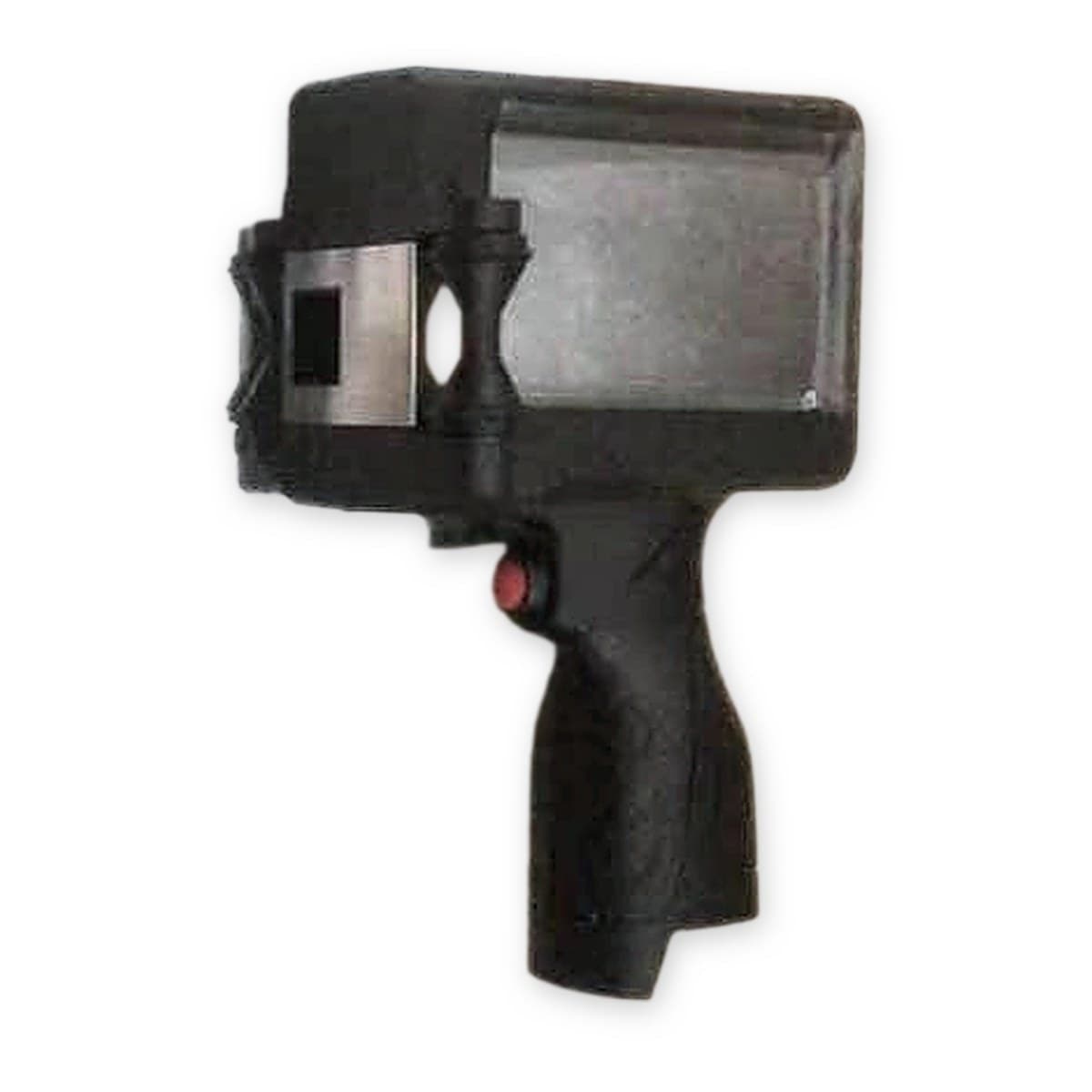
For packing, a band sealing machine for pouches gives a neat seal, and a handheld inkjet printer prints batch numbers and dates on each pack.

When to Move to a Fully Automatic Line

A manual machine is the right start when money is limited, the group is still learning, and sales are local. As orders grow, hand assembly becomes the limit. When you are consistently selling more than your team can assemble, look at the fully automatic sanitary pad making machine, which runs from reels and forms, seals and cuts in one line.

Some groups run more than one product from the same hall. Small units making tissue napkins or paper plates on a double die machine often sell to the same shops and institutions, which spreads the effort of finding buyers.

Short Mein Samjhiye (Hinglish Summary)

Yeh manual sanitary pad machine hai. Table par rakhne wali unit, do sealing press, aur har press ka apna digital temperature controller. Layer kaatna, core rakhna aur pad jodna haath se hota hai, aur press garmi se pad ko seal aur shape deta hai.

SHG aur NGO ke liye kam lagat ka achha shuruaat hai. Saaf, sookha kamra rakhiye, har core tolkar daaliye aur har seal check kijiye. Compressor ki zaroorat, output aur pad size request par batayenge. Price ke liye WhatsApp kijiye. GST 18% alag.
Have a question this guide didn’t answer?Our team replies on WhatsApp and call, Mon – Sat, 10:00 AM – 7:00 PM.

Ask on WhatsApp

FAQs

Frequently Asked Questions

What buyers ask us most about the manual sanitary pad making machine.

Ask your own question on WhatsApp

What is the price of the manual sanitary pad making machine?

Message us on WhatsApp or call and we will share the latest price and specification sheet. GST at 18% is extra.

How many pads can it make in a day?

The catalogue sheet lists detailed specifications as available on request, so we do not print an output figure. On a manual unit, daily output depends mostly on how many people are cutting, assembling and packing. Ask us for the press cycle details.

What does the machine do, and what is done by hand?

The two heated presses seal and shape the pads. In a typical manual unit, cutting the layers, laying the core and stacking the layers are done by hand or on separate equipment, as are wrapping and packing. Ask us exactly what is included with the machine.

Does it need a compressor?

The machine in our photo has cylinder-driven presses with air lines. Ask us whether your model needs a compressed air supply and of what size, before you plan your room and power.

Is it suitable for a self-help group or NGO?

Yes. It is listed for self-help groups and NGOs because it is low-investment, compact and simple to learn. Plan the raw material supply, quality checks and sales route before the machine arrives.

What raw material do I need?

Non-woven top sheet, fluff pulp and super absorbent polymer for the core, PE back-sheet film with adhesive, release paper, and wrapping and pouches for packing.

Why are there two temperature controllers?

Each press has its own heater and controller. You can set and watch each one separately, which helps keep every seal consistent.

Manual or fully automatic: which should I buy?

Manual suits a small start, training projects and limited budgets. A fully automatic line runs from rolls and forms, seals and cuts in one pass, which suits higher, steady volumes. Many groups start manual and move up once their sales are proven.

What licences and standards apply?

Sanitary napkins are a regulated product in India, with an applicable Indian Standard and labelling and disposal information requirements. Check the current position with the relevant department before you print packaging or sell.

How clean does the work room need to be?

Enclosed, dry and dust-controlled, with washable surfaces. Workers should have clean hands and covered hair. Treat hygiene as part of the product, because buyers do.

Best price

Get the price of the Manual Sanitary Pad Making Machine

Tell us your model, power supply and stick size. We reply with the price, spec sheet and demo video, and a raw material quote if you need one.

Get Best Price on WhatsApp

Send an enquiry

The machine is already selected. Add your details and press send.

Opens WhatsApp with your details filled in.