What Is a Tissue Napkin Making Machine?
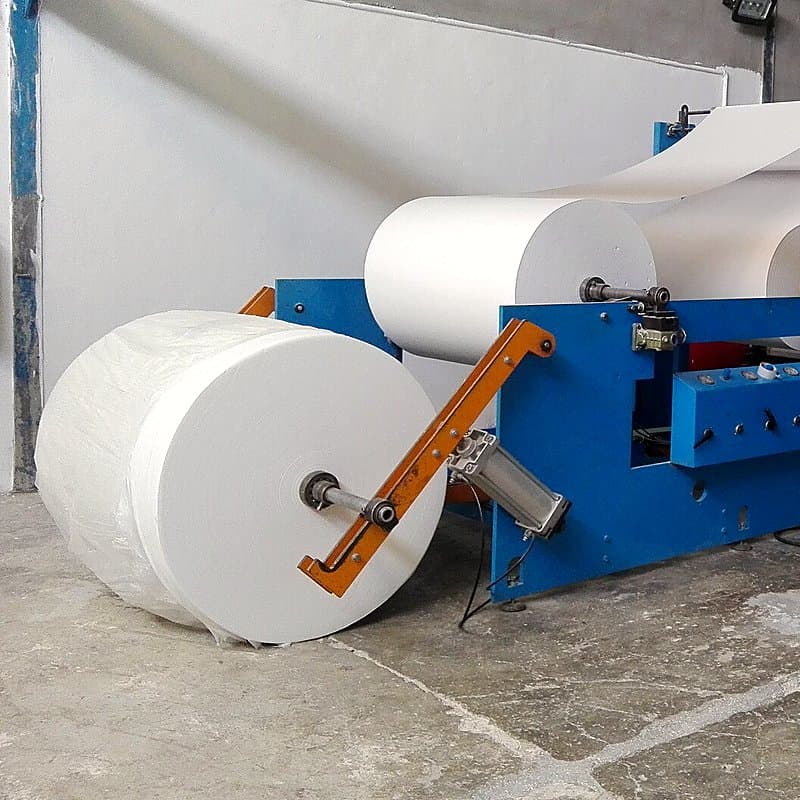
The paper napkins on a restaurant table start life as a very large roll of soft tissue, often taller than a person and heavy enough to need two people or a hoist to lift. A napkin machine turns that roll into small folded squares that are easy to stack, pack and sell.
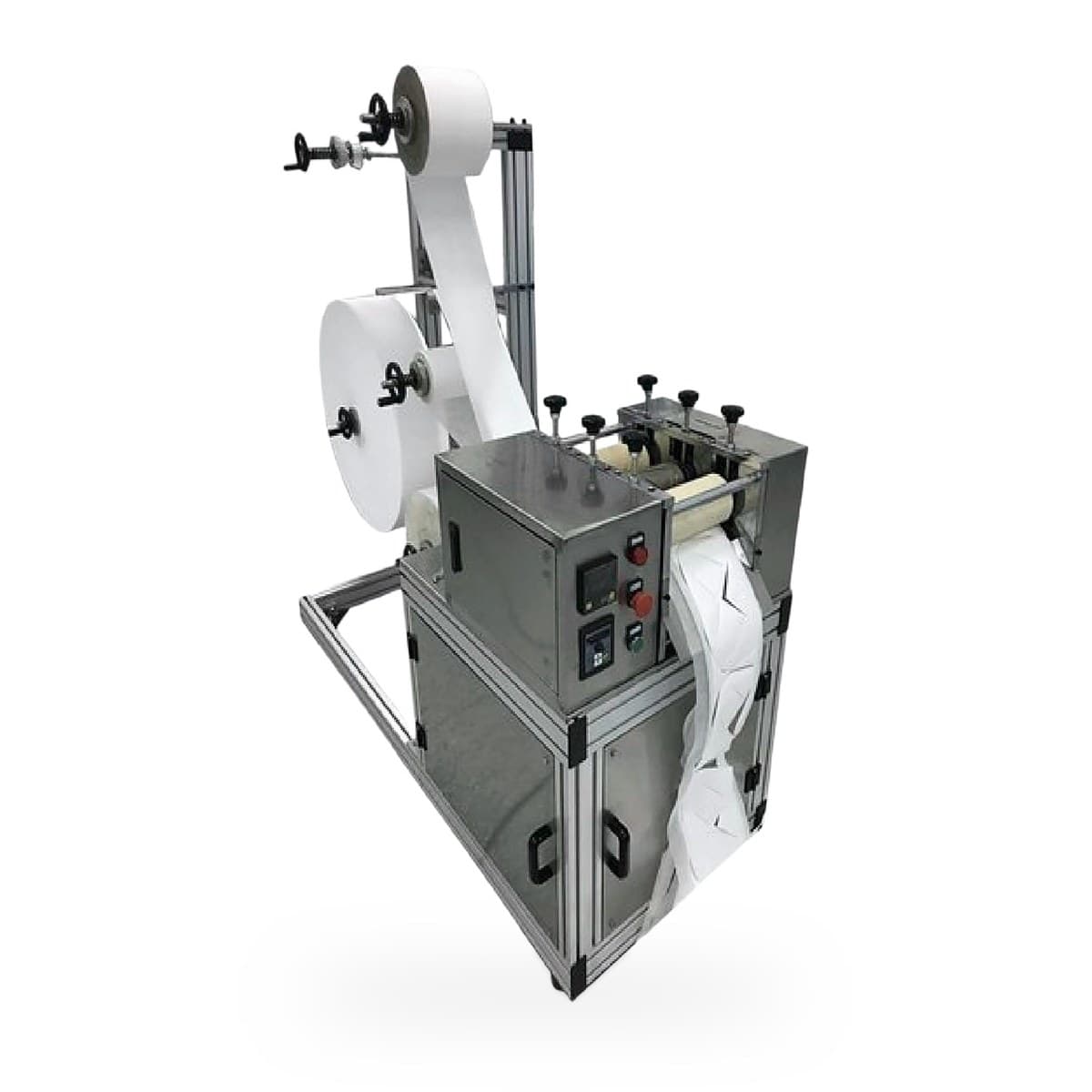
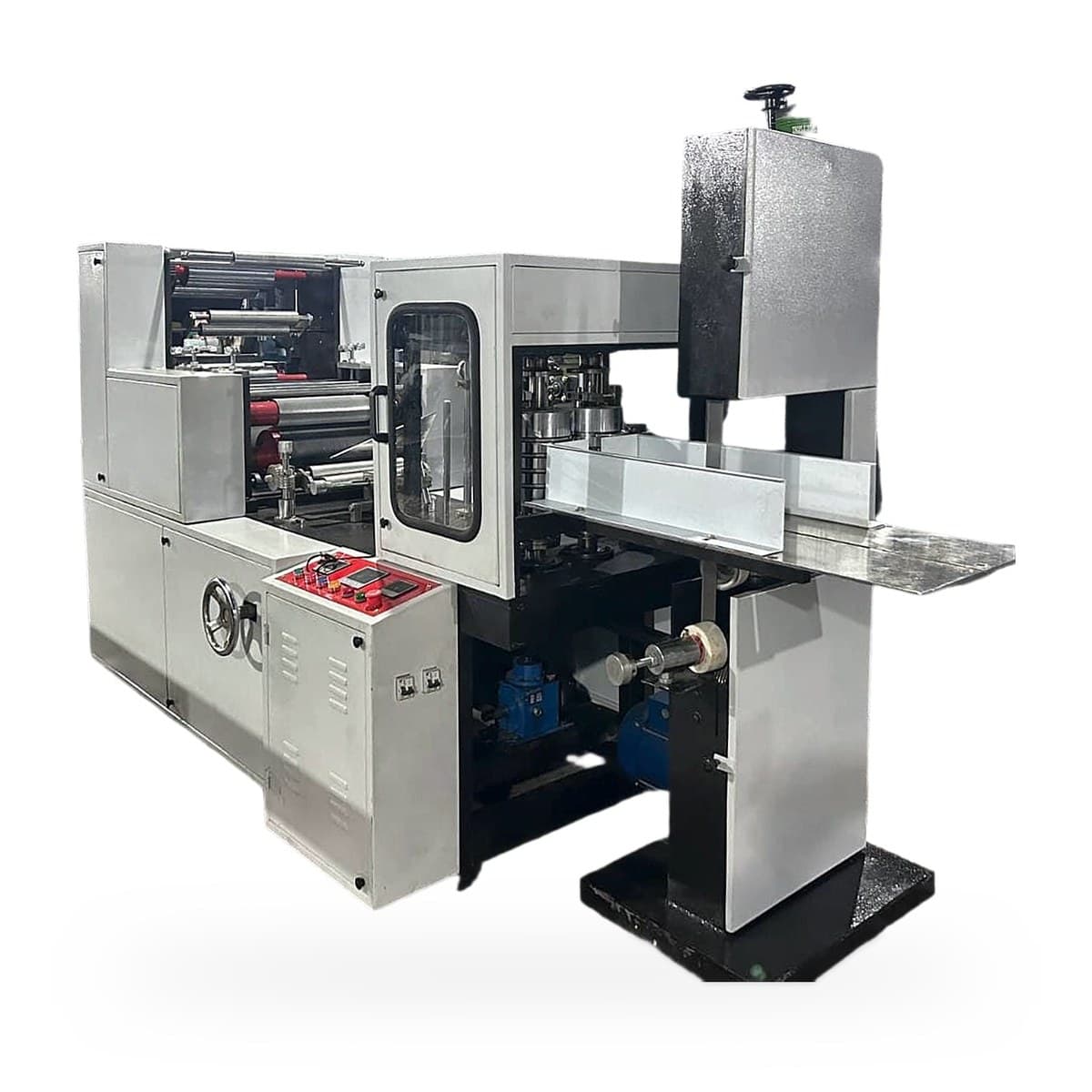
Looking at this machine from the back to the front, you see the unwind section with its rollers, a closed folding unit behind a glass door, the cutting section, and a flat output table where napkins collect. A control panel with the main switches and emergency stop sits at the front. The frame is built heavy so the rollers stay aligned and the sheet runs straight.
Napkin Making Is Converting
This is the most important point for a new buyer. The machine does not make tissue paper. Tissue is made from pulp in a paper mill on large, expensive machinery. A napkin unit buys that tissue as jumbo rolls and converts it.
That shapes the whole business. Your raw material cost is the price of jumbo rolls, which moves with the paper market. Your earnings come from turning rolls into a neat, well-packed product and selling it steadily. A good relationship with a reliable roll supplier matters as much as the machine itself.
Hygiene paper converting has a lot in common with other hygiene products. If you are thinking about a wider hygiene line, the fully automatic sanitary pad making machine and the manual sanitary pad machine also work from bought-in rolls and sell to many of the same shops.
From Jumbo Roll to Napkin, Step by Step
- Load the roll. The jumbo roll is mounted on the unwind stand and the tissue is threaded through the rollers.
- Unwind. The machine pulls the sheet off the roll at a steady tension so it does not tear or wrinkle.
- Fold. The sheet passes through the folding section, which folds it into the napkin shape.
- Cut. The folded strip is cut into individual napkins.
- Collect. Napkins stack on the output table, where they are counted and packed.
Tension is the operator’s main job. Too tight and soft tissue tears. Too loose and the sheet wanders and folds come out uneven. Watch the first napkins from every new roll before leaving the machine to run.
Buying Jumbo Rolls Well
When you buy jumbo rolls, check these before agreeing to a lot:
- Width. The roll must suit the width your machine takes. Ask us for this figure before buying rolls.
- GSM and ply. Lighter tissue is cheaper but feels thin. Heavier or two-ply tissue feels better and costs more. Match it to what your buyers will pay for.
- Softness and dust. Rub a sheet. Good tissue is soft and does not shed much dust.
- Winding. Edges should be even and the roll firm, with no crushed or wet patches.
Rolls are bought by weight. Weigh rolls on delivery, and store them on pallets in a dry room away from walls, because tissue picks up damp easily.
Before you commit to one supplier, run a single roll from two or three sources and compare the napkins side by side. Look at softness, dust, how cleanly the sheet folds and how many napkins each roll gives. The cheapest roll is not always the cheapest per packet once tears and waste are counted.
What Makes a Napkin Sell
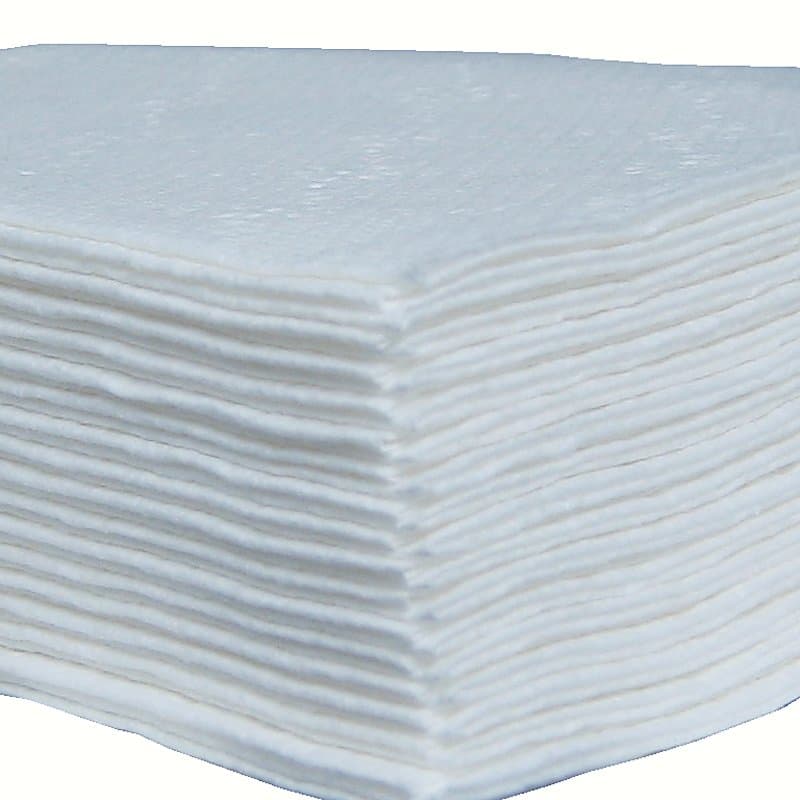
Restaurant buyers notice small things. Napkins should be square, folded evenly and the same size in every packet. Edges should be clean, not frayed. The count in each packet must match what is printed. A neat, sealed packet keeps napkins clean in a busy kitchen.
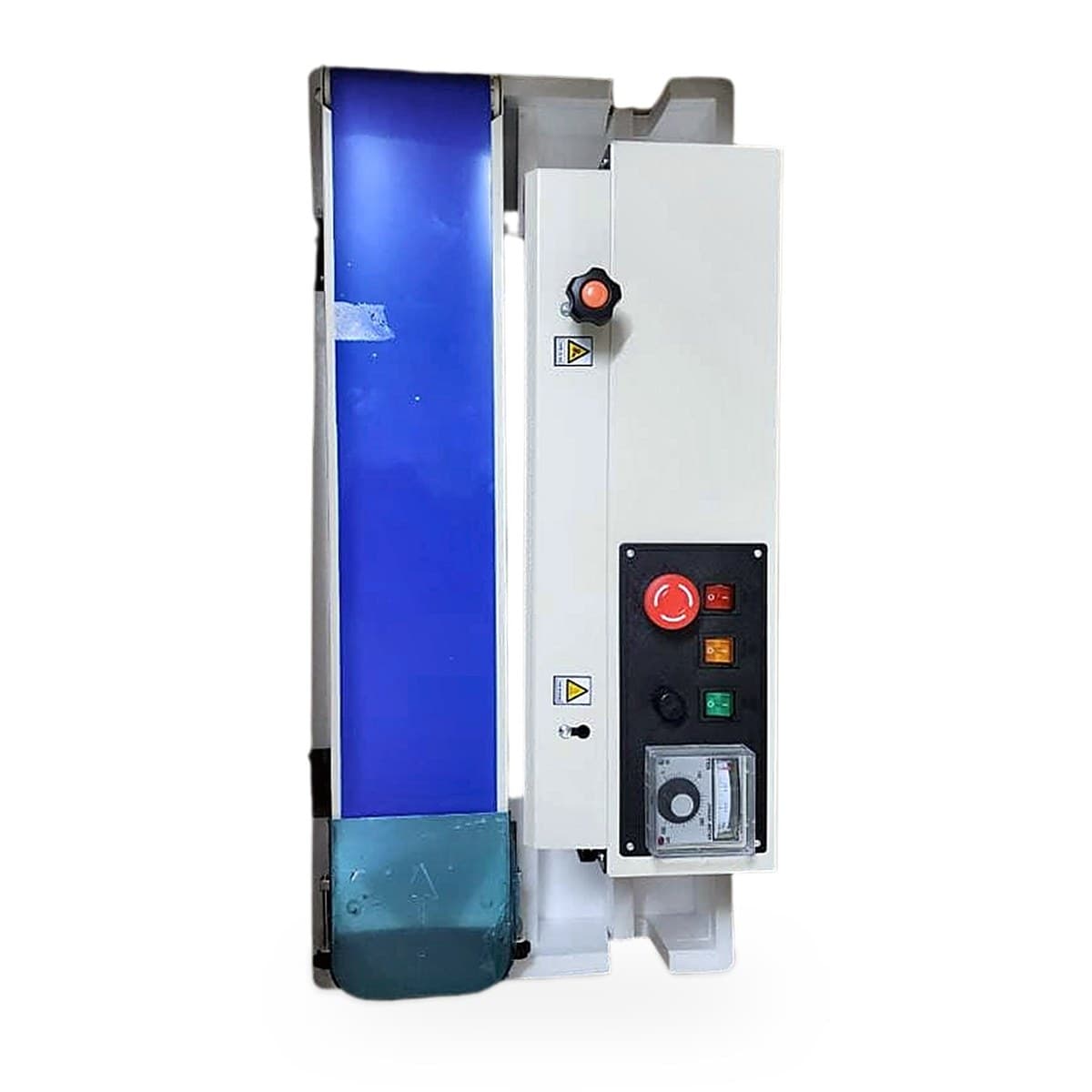
For sealing your packets, a band sealing machine for pouches gives a clean, continuous seal, and a handheld inkjet printer can add batch codes and dates to cartons.
Setting Up the Unit
Plan a dry, clean room. You need space for the machine, a store for jumbo rolls, a clear path to roll a heavy parent roll up to the unwind stand, and a packing table. Keep the floor swept, since tissue dust collects quickly. Ask us for the machine dimensions and power details so your electrician can prepare the connection.
One person can run the machine. Most units keep a second person for counting, packing and sealing, because packing is usually the slower job.
Daily Care of the Machine
Tissue sheds fine dust, and that dust settles on rollers, inside the folding unit and around the cutter. Clean it off at the end of every shift with a dry brush or a blower, with the power switched off. Dust on the rollers changes the grip on the sheet and leads to tears and uneven folds.
Check that the cutting edge is sharp. A dull cutter leaves ragged napkin edges that buyers notice at once. Keep moving parts lubricated as advised in the manual, and wipe away extra oil so it never touches the tissue. Keep the glass guard closed while the machine runs and never reach into the folding or cutting section without stopping the machine first. Report any new noise early.
Who Buys Napkins, and How
Hotels, restaurants, dhabas, caterers, sweet shops, bakeries, offices and grocery stores all use napkins every day. Demand does not depend on festivals, which gives a converting unit a steady base. Start by visiting nearby restaurants and caterers with sample packets, and offer regular weekly delivery. Caterers who already buy paper plates often buy napkins from the same supplier, which is why some units run a paper plate making machine alongside.
Short Mein Samjhiye (Hinglish Summary)
Tissue napkin making machine jumbo tissue roll ko kholti hai, fold karti hai aur kaat kar napkin banati hai. Yeh machine tissue paper nahi banati. Tissue roll paper mill se kharidna padta hai, aur machine use napkin mein badalti hai.
Roll lete waqt width, GSM, ply aur softness check kijiye, aur roll ko sookhi jagah rakhiye. Hotel, restaurant aur caterer roz napkin use karte hain, isliye maang poore saal rehti hai. Speed, size aur bijli ki details request par milti hain. Price ke liye WhatsApp kijiye. GST 18% alag.